
John Spencer-Churchill, 11th Duke of Marlborough
British peer and educator (1926–2014), principal at a school on the Blenheim Palace estate, Deputy Lieutenant and Justice of the Peace, member of the Spencer-Churchill and Vanderbilt families.
Overview
John George Vanderbilt Henry Spencer-Churchill (13 April 1926 – 16 October 2014) was a British peer best known for combining duties tied to his hereditary title with a career in education and local public service. A member of the Spencer-Churchill family, he spent much of his life associated with Blenheim Palace, the historic family seat in Oxfordshire, and held civic roles such as Deputy Lieutenant and Justice of the Peace.
Image gallery
3 Images

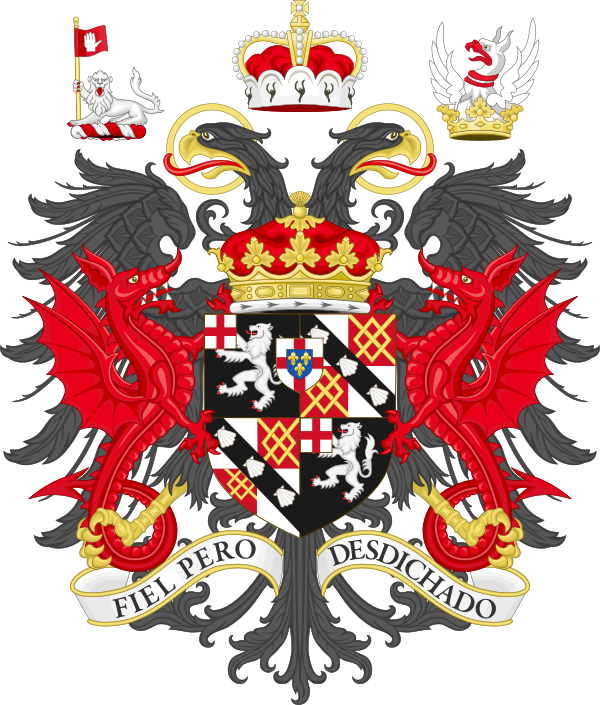
Family background and heritage
He was the son of Lt.-Col. John Spencer-Churchill, 10th Duke of Marlborough, and Hon. Alexandra Mary Hilda Cadogan, placing him within an extended network of British aristocratic families. Through his paternal grandmother Consuelo Vanderbilt he was connected to the prominent American Vanderbilt family, and through the Spencer line he was related to other British families including the Cavendishes, often associated with the title Duke of Devonshire. His family ties also made him a generational cousin of Sir Winston Churchill and a distant relation of Diana, Princess of Wales.
Education and career
Although the Marlborough dukedom is best known for its political and architectural legacy, the 11th Duke pursued work in the field of education and is described in contemporary accounts as an educationalist who ran a school operating on or near the Blenheim estate. He combined this practical involvement with roles in local administration and charity, typical of landed peers who balance private estate responsibilities with community service.
Roles and public service
- Peerage: Held the hereditary title Duke of Marlborough and the attendant social and ceremonial responsibilities tied to Blenheim Palace.
- Local office: Served as a Deputy Lieutenant (DL) and as a Justice of the Peace (JP), offices that involve supporting county administration and the magistracy.
- Education: Acted as head or principal of a school connected to his home estate, bringing direct involvement to local schooling and youth matters.
Blenheim Palace and legacy
Blenheim Palace, a UNESCO World Heritage site and the principal family home of the Dukes of Marlborough, provided both a residence and a setting for much of his public life. The palace and its estate have long been a focal point for cultural, historical and educational activity; the 11th Duke continued the tradition of opening aspects of the estate to public events, local initiatives and educational uses that reflect the role of great houses in modern Britain.
Notable relations and historical context
Members of the Spencer-Churchill family have been prominent in British public life for generations. The 11th Duke's kinship with figures such as Sir Winston Churchill and connections to families like the Vanderbilts and the Cavendishes illustrate the interlinked nature of aristocratic lineages. For further context on these relationships, see references to the family's broader history in studies of British peerage and estate culture.
For additional reading on related topics and institutions mentioned here, consult resources on education and schooling on historic estates, the history of Blenheim Palace, the Dukes of Devonshire and their houses, and biographical material relating to Sir Winston Churchill and his family links. Broader genealogical connections to the Spencer family are discussed in material available via Churchill family studies and sources relating to the Spencer and Vanderbilt lineages can be found through archives referenced at specialist family-history collections.
John Spencer-Churchill died at Blenheim Palace on 16 October 2014, aged 88. His life is remembered for the way he combined stewardship of an important historic estate with practical involvement in education and local civic duties, exemplifying one path by which hereditary peers have adapted traditional roles to contemporary community life.
Related articles
Author
AlegsaOnline.com John Spencer-Churchill, 11th Duke of Marlborough Leandro Alegsa
URL: https://en.alegsaonline.com/art/122663
Sources
- hansard.millbanksystems.com : "Mr. John Spencer-Churchill (Hansard)"
- blenheimpalace.com : "Duke of Marlborough dies"