
Blenheim Palace: English Baroque Country House and UNESCO World Heritage Site
Blenheim Palace in Woodstock, Oxfordshire is a monumental English Baroque country house, ancestral home of the Dukes of Marlborough and a UNESCO World Heritage Site open to visitors.
Blenheim Palace is a large country house near the village of Woodstock in Oxfordshire, in England. Built in the early 18th century, it is notable both as the ancestral home of the Dukes of Marlborough and as one of Britain’s most important examples of English Baroque architecture. The palace and its parkland are recognised by UNESCO as a World Heritage Site.
Image gallery
10 Images




Origins and history
Commissioned shortly after the 1704 victory at the Battle of Blenheim, the house was presented to John Churchill, 1st Duke of Marlborough, in recognition of his military service. Construction began in 1705 under the architect John Vanbrugh, with later contributions from Nicholas Hawksmoor and other designers. Over the centuries the estate has been altered and restored several times, reflecting changing tastes and the needs of its occupants.
Architecture and interiors
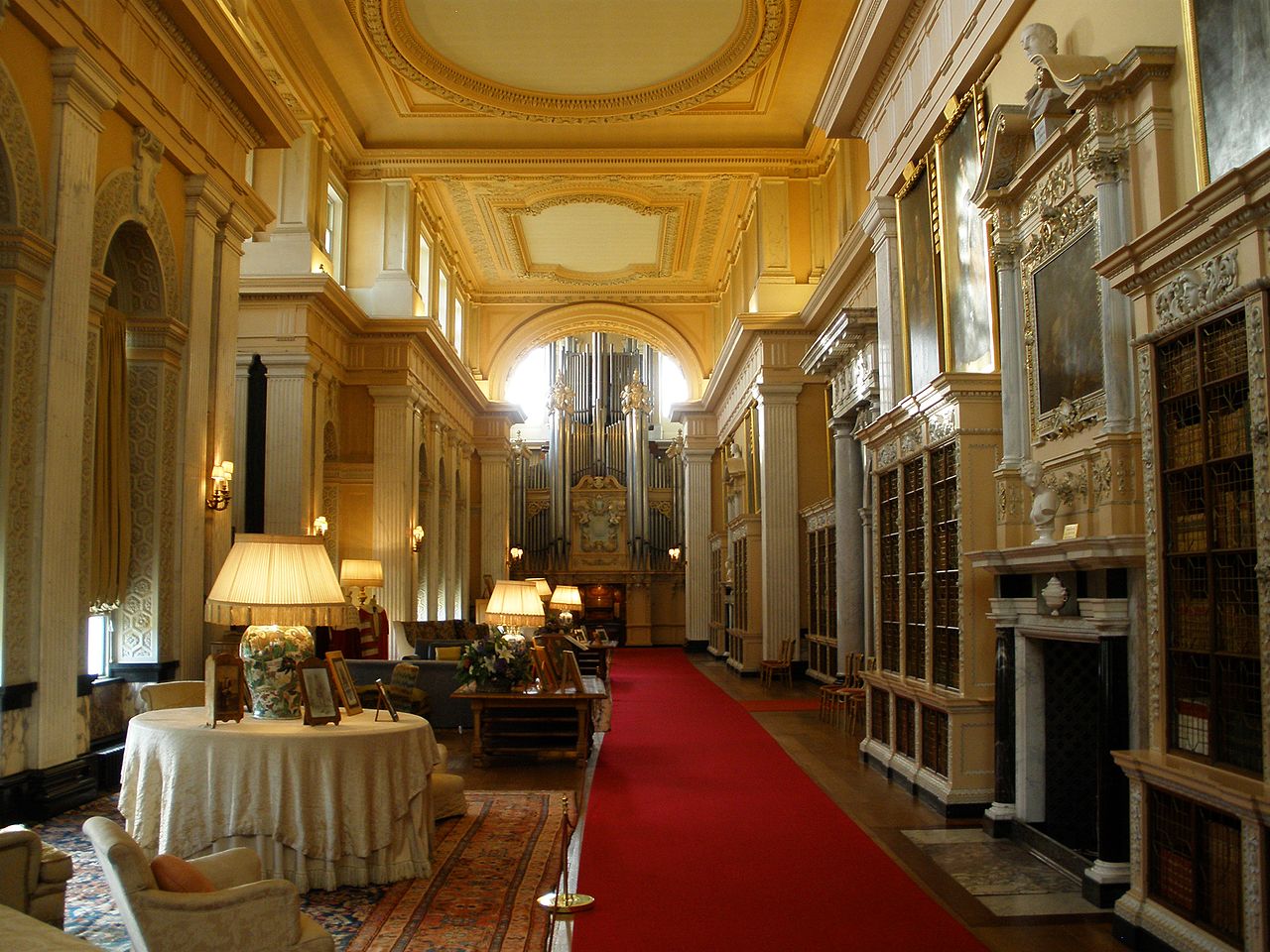
The palace is an extensive, monumental composition typical of the English Baroque style, featuring grand facades, large state rooms and richly decorated interiors. Its scale and formal planning were intended to convey prestige and power. Internally, visitors can see state apartments, painted ceilings, and collections of art and furniture accumulated by the Marlborough family.
Parkland and gardens
Surrounding the house is a designed landscape and formal gardens created in the 18th and 19th centuries. The grounds include avenues, water features, and garden rooms which have been remodelled at various times by prominent landscape designers. The park is an integral part of the palace’s historic setting and contributes to its World Heritage status.
Current use and public access
Blenheim Palace remains the private residence of the Dukes of Marlborough while also operating as a major heritage attraction open to the public. It hosts exhibitions, cultural events, and seasonal displays, and provides educational programmes and visitor facilities. Management of the estate seeks to balance conservation of historic fabric with access and sustainable tourism.
Significance
As both an architectural landmark and a landscaped estate of high historic interest, Blenheim Palace is considered important for its association with national history, its artistic and architectural qualities, and its influence on later country-house design. Its designation by UNESCO recognises these values and the need to preserve the site for future generations.
- Location: Woodstock, Oxfordshire, England
- World Heritage listing: UNESCO World Heritage Site
- Primary historical association: Dukes of Marlborough
Related articles
Author
AlegsaOnline.com Blenheim Palace: English Baroque Country House and UNESCO World Heritage Site Leandro Alegsa
URL: https://en.alegsaonline.com/art/12157
Sources
- blenheimpalace.com : "Welcome to Blenheim Palace"
- whc.unesco.org : "Blenheim Palace"