
John Demjanjuk: wartime service, accusations, and international trials
John Demjanjuk (1920–2012) was a Ukrainian-born soldier and U.S. autoworker whose life became the center of high-profile, controversial war-crimes prosecutions across Israel, the United States and Germany.
Overview
John Demjanjuk (born Ivan Mykolaiovych Demianiuk) was a Ukrainian-born man who served in the Soviet armed forces, became a prisoner of war during World War II, and later emigrated to the United States where he worked as an auto industry employee. His name became internationally known after multiple legal proceedings alleging that he served as a guard at Nazi extermination camps. These cases raised complex questions about evidence, identity, deportation and the prosecution of alleged wartime perpetrators many decades after the crimes.
Image gallery
5 Images
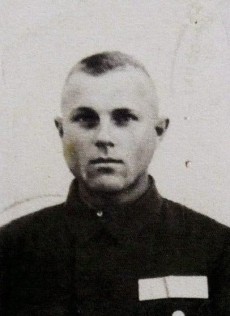


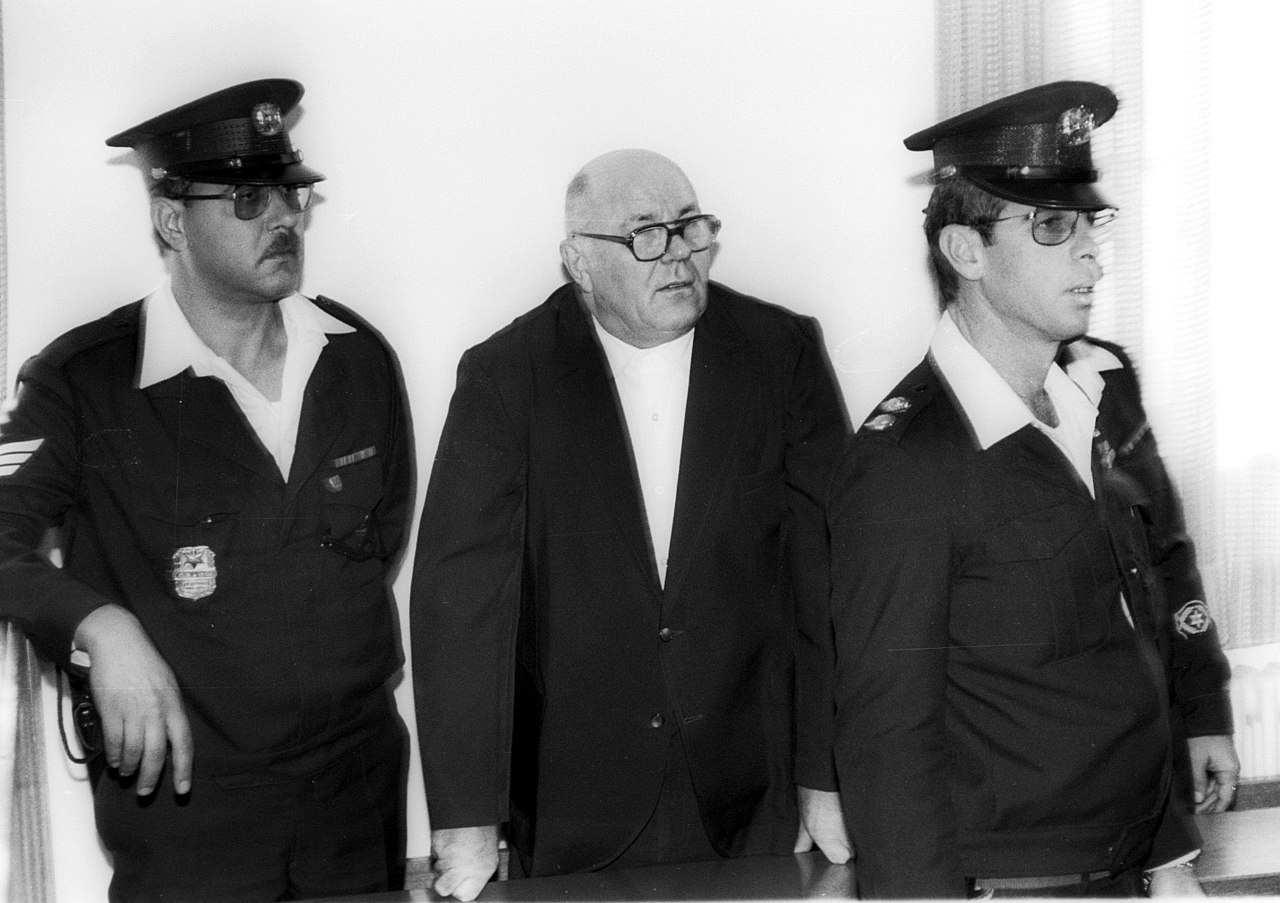
Early life and wartime background
Demjanjuk was born in what is now Ukraine and at different times was identified by Slavic forms of his name; sources sometimes note his Ukrainian heritage via an original form of his name referenced in local records (Ukrainian). During World War II he served in the Soviet military (Red Army) and was captured, becoming a prisoner of war (POW). After the war he emigrated to the United States and found employment in industry, described in media accounts as an auto worker and resident of the American Midwest (United States).
Legal proceedings and trials
Allegations that he had been a guard at Nazi camps led to long and contested legal action in several countries. Proceedings included denaturalization and deportation efforts, a trial abroad that produced a conviction later reversed on appeal, and later prosecutions in Europe based on archival evidence. The cases highlighted difficulties in identifying individuals decades after events, the reliability of surviving witnesses, and the role of wartime documents from differing archives.
Significance and controversies
The Demjanjuk story is notable less for a single legal outcome than for what it revealed about postwar justice. Legal experts and historians have pointed to this sequence of cases as illustrating how:
- archival records can change interpretations of identity and responsibility,
- witness memory and evidentiary standards are tested by the passage of time, and
- international cooperation is required to address alleged crimes committed in one era and investigated in another.
Demjanjuk died in 2012 while legal matters remained unresolved; his case remains a reference point in discussions about transitional justice, evidentiary challenges, and the long shadow of mass atrocity.
Questions and answers
Q: What was John Demjanjuk's birth name?
A: John Demjanjuk's birth name was Ivan Mykolaiovych Demianiuk.
Q: When was John Demjanjuk born?
A: John Demjanjuk was born on 3 April 1920.
Q: In which country did John Demjanjuk live for some time?
A: John Demjanjuk lived in the USA as a Ukrainian-American.
Q: What was John Demjanjuk's occupation?
A: John Demjanjuk was an auto worker.
Q: What was John Demjanjuk's military background?
A: John Demjanjuk was a former soldier in the Soviet Red Army.
Q: What happened to John Demjanjuk during the Second World War?
A: John Demjanjuk was held as a prisoner of war during the Second World War.
Q: When did John Demjanjuk pass away?
A: John Demjanjuk passed away on 17 March 2012.
Related articles
Author
AlegsaOnline.com John Demjanjuk: wartime service, accusations, and international trials Leandro Alegsa
URL: https://en.alegsaonline.com/art/122418
Sources
- books.google.com : Identifying Ivan: A Case Study in Legal Psychology