
John Diefenbaker
Canadian lawyer and politician who served as Prime Minister (1957–1963), introduced the Canadian Bill of Rights, and advanced voting rights and social policies in mid-20th-century Canada.
John George Diefenbaker (September 18, 1895 – August 16, 1979) was a Canadian politician who served as the 13th Prime Minister of Canada from June 21, 1957, to April 22, 1963. A lawyer by training, he led the Progressive Conservative Party and represented Saskatchewan in federal politics for decades. His tenure is remembered for efforts to expand civil liberties and for a distinctive populist style.
Image gallery
10 Images


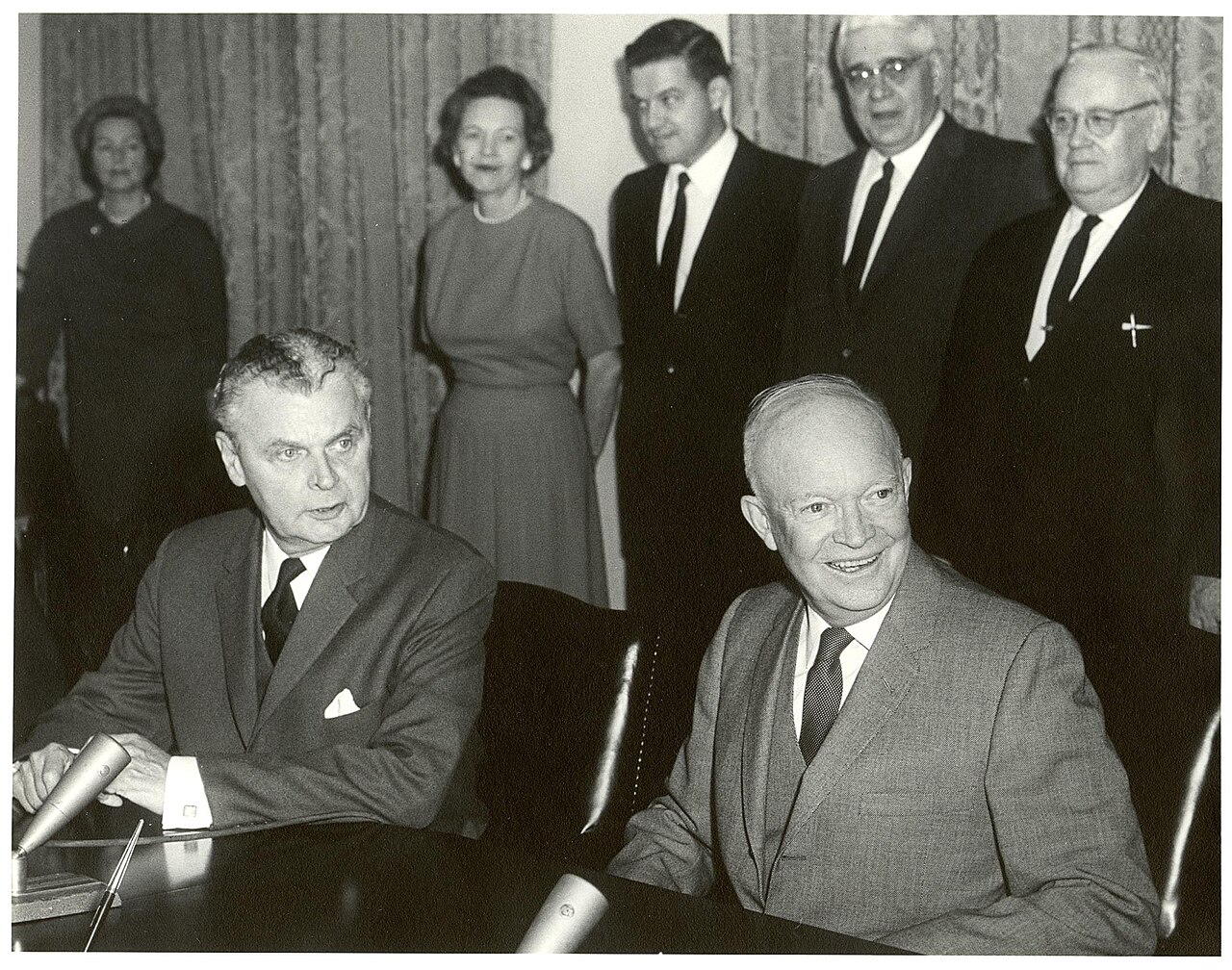


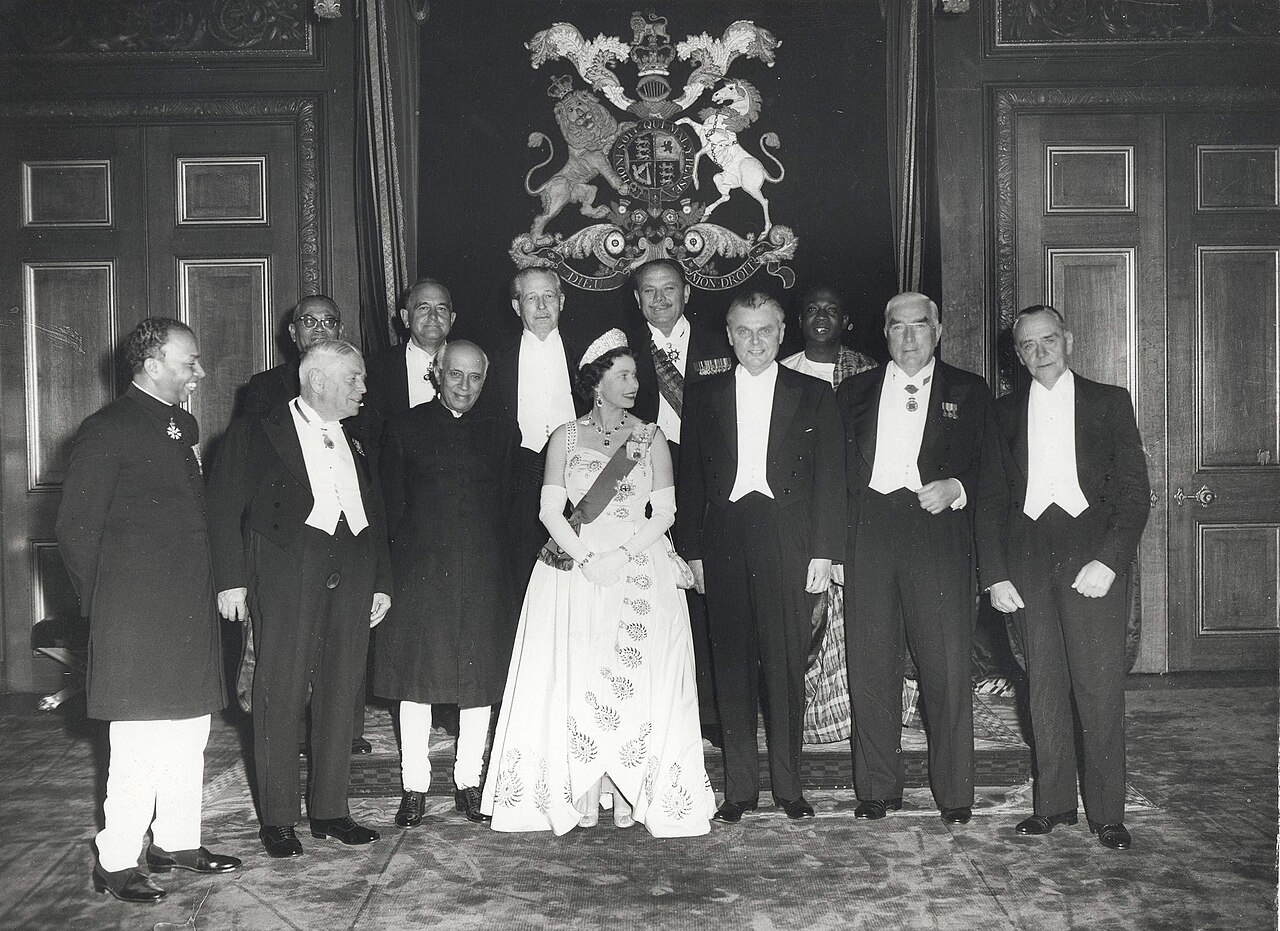
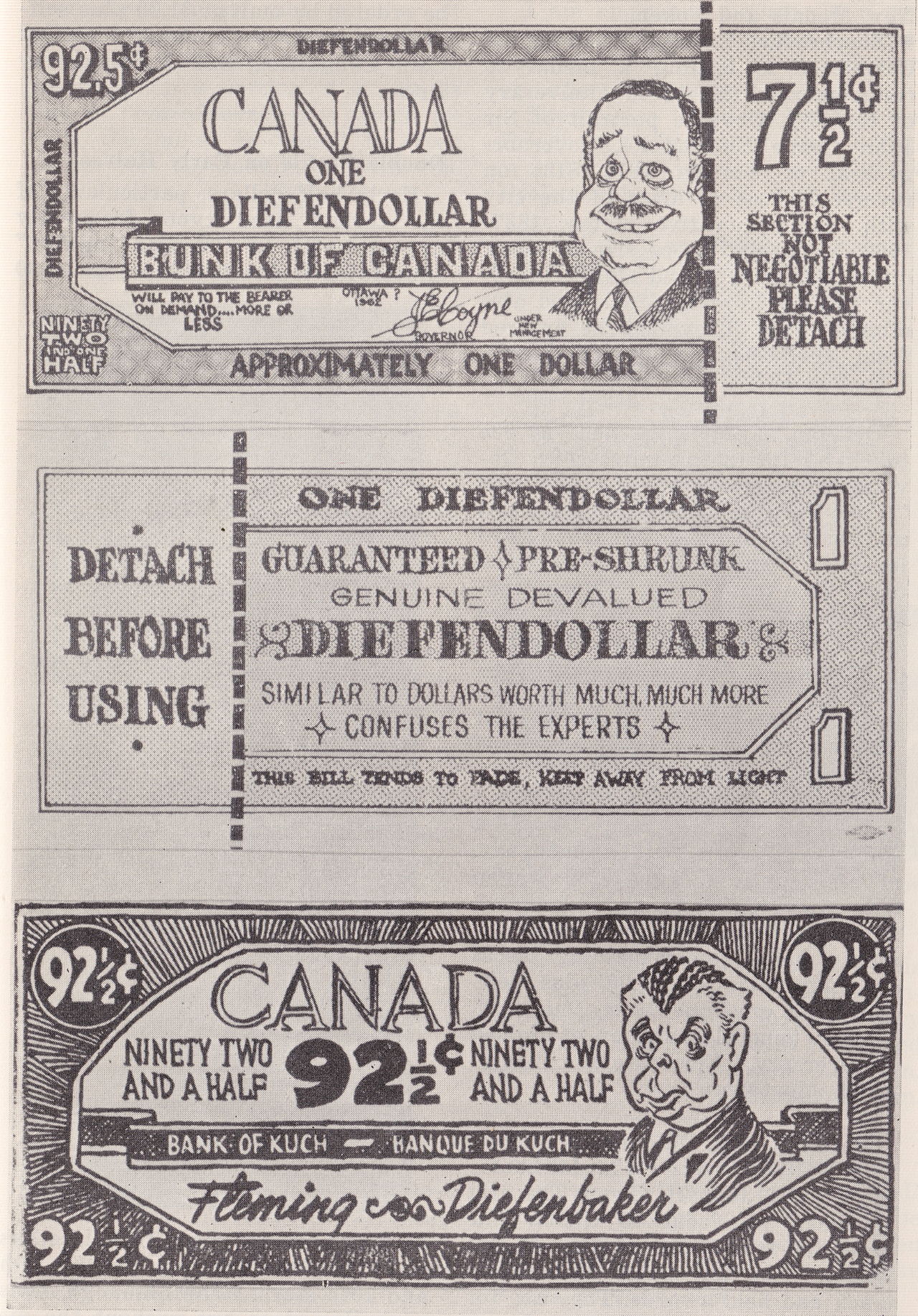

Political career and priorities
Diefenbaker rose to national prominence during the 1950s and became party leader in 1956. As prime minister he sought to balance economic development, national unity and individual rights. His government introduced measures intended to protect freedoms and reduce overt discrimination, while also promoting infrastructure and northern development.
Major actions and legacy
- Canadian Bill of Rights (1960): a federal statute that affirmed certain civil liberties and influenced later constitutional protections; see Canadian Bill of Rights.
- Indigenous voting rights: his government removed remaining barriers so status Indians could vote in federal elections without giving up treaty rights.
- Cabinet appointments: he named the first woman to serve in a federal cabinet in Canada and elevated several regional figures to national roles.
- Defence and industry decisions: his administration made controversial choices affecting the aerospace and defence sectors.
Diefenbaker's approach mixed advocacy for individual rights with strong regional representation. Historians note both lasting reforms and contentious choices that shaped debates about Canada's identity and sovereignty. For an overview of his life and political biography, consult resources on John G. Diefenbaker and his role as Prime Minister of Canada.
Today his record is seen as a combination of principled stands on civil liberties and decisions that provoked long-term debate, making him a significant figure in mid-20th-century Canadian history.
Related articles
Author
AlegsaOnline.com John Diefenbaker Leandro Alegsa
URL: https://en.alegsaonline.com/art/122423