
John Danforth: U.S. Senator, Diplomat, and Episcopal Priest
Profile of John C. Danforth, a Missouri politician, three-term U.S. senator, diplomat and ordained Episcopal priest known for his moderate, conciliatory style and public-service roles.
Overview
John Claggett Danforth (born September 5, 1936) is an American lawyer, politician, diplomat and ordained Episcopal priest. He rose from statewide office in Missouri to three terms in the United States Senate, and has been called on intermittently to serve in diplomatic and reconciliatory roles by leaders of both major parties. He is widely recognized for a moderate, consensus-oriented approach to public life.
Image gallery
5 Images


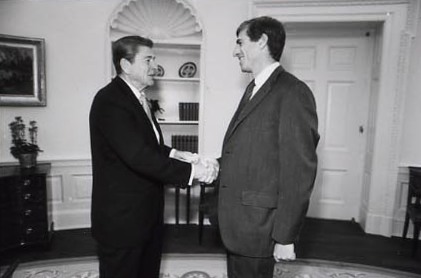
Career and public roles
Danforth began his statewide political career in 1968 when he ran for the office of Missouri Attorney General. He later served three terms as a U.S. senator from Missouri, building a reputation for pragmatic debate and cross-party cooperation. After leaving the Senate, he returned occasionally to public service; most notably he served briefly as United States Ambassador to the United Nations in 2004. His career has combined legal training, elected office and short-term federal appointments.
Education, vocation and style
Trained in law, Danforth attended prestigious universities and practiced as an attorney before entering politics. Unusual among prominent politicians, he is an ordained Episcopal priest, a role that has shaped his public persona and informed his interest in ethical dimensions of politics. Colleagues and commentators often describe him as a conciliator who emphasizes civility, moral reasoning and compromise over partisan combat.
Notable acts and public presence
Beyond legislative work, Danforth has appeared in ceremonial and mediation contexts. As an Episcopal clergyman he presided over the state funeral services for President Ronald Reagan and later for former First Lady Nancy Reagan, reflecting both his religious standing and national profile. At times he has been tapped to help broker or review sensitive matters that require bipartisan credibility.
Legacy and distinctions
Danforth's public legacy rests on several themes: moderation in a polarized era, the blending of religious vocation with public office, and readiness to serve in diplomatic or advisory capacities after leaving elective politics. Scholars and civic observers often cite him as an example of a law-trained politician who prioritized institutional stability and respectful discourse.
Further information
- Biographical summaries and official records: profile and career overview
- Selected speeches and writings: speeches and essays
- Discussion of his centrist approach: analysis of political style
- Records related to ceremonial roles: state funerals and ceremonies
- Diplomatic appointment details (2004): U.N. appointment
- Further archival and historical material: archival resources
For readers seeking more context, consult collections of his public statements and contemporary reporting to understand how his legal background, clergy role and centrist politics intersected during decades of public service.
Related articles
Author
AlegsaOnline.com John Danforth: U.S. Senator, Diplomat, and Episcopal Priest Leandro Alegsa
URL: https://en.alegsaonline.com/art/122409
Sources
- findagrave.com : "Archived copy"