
Joe Knollenberg — U.S. Representative from Michigan (1993–2009)
Overview of Joseph K. Knollenberg, Michigan Republican who served eight terms in the U.S. House (1993–2009), his positions on trade and healthcare, electoral history, and legacy.
Overview
Joseph Kastl Knollenberg (November 28, 1933 – February 6, 2018) was an American politician who represented suburban areas of Michigan in the U.S. House of Representatives as a member of the Republican Party. He served eight terms in Congress from 1993 until 2009, during which redistricting placed him at different times in Michigan's 9th and 11th congressional districts.
Image gallery
2 Images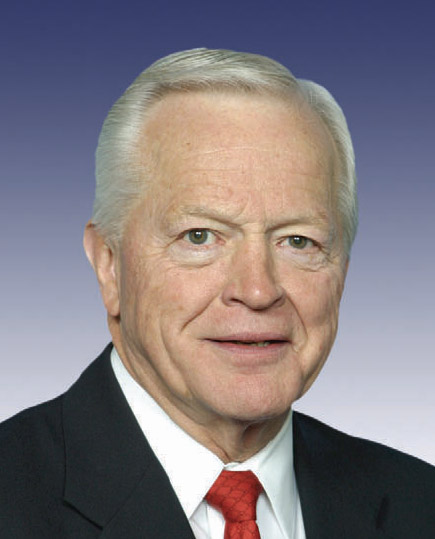

Political positions and legislative record
Knollenberg was generally identified with mainstream Republican positions of his era. He supported international trade agreements such as the North American Free Trade Agreement and defended policies intended to benefit U.S. manufacturing, reflecting the priorities of many members representing suburban and industrial constituencies. He also aligned with President George W. Bush on a range of issues during the Bush administration. In the later part of his congressional career, Knollenberg voted against expanding the State Children's Health Insurance Program (S-CHIP), a vote that drew attention during his reelection campaign.
Elections and tenure
Knollenberg first won election to the House in 1992 and was reelected multiple times through the early 2000s. His service spanned significant national debates on trade, homeland security, and health policy. In the 2008 general election he was defeated by Democrat Gary Peters, losing by a margin in which he received about 43% of the vote compared with Peters' roughly 52%—a result viewed in the context of broader political shifts that year.
Later life and death
After leaving Congress, Knollenberg remained a figure of record in Michigan politics. He died on February 6, 2018 from complications related to Alzheimer's disease while in a care facility in Troy, Michigan. His passing prompted reflections on his long service and on the policy debates that defined his time in office.
Notable facts and legacy
- Length of service: eight terms in the U.S. House (1993–2009), representing parts of suburban Detroit.
- Key themes: trade policy, manufacturing protection, and conservative fiscal positions typical of his party during the 1990s and 2000s.
- 2008 defeat: his loss to a Democratic challenger illustrated shifting political currents in his districts and nationally.
- Public memory: remembered for his consistent advocacy of policies aimed at supporting the region's economic base and for his role in high-profile votes on trade and health insurance expansion.
For more information and archival materials about his life and congressional career, consult dedicated biographies and congressional records available through libraries and historical collections. Additional context about his votes and the districts he represented can be found through official House archives and state election records (see resources linked above).
Related articles
Author
AlegsaOnline.com Joe Knollenberg — U.S. Representative from Michigan (1993–2009) Leandro Alegsa
URL: https://en.alegsaonline.com/art/122234
Sources
- washingtonpost.com : "Joe Knollenberg, former GOP congressman, dies at 84"
- detroitnews.com : "Joe Knollenberg: Obituary"