
Bloeme Evers-Emden — Dutch Jewish child psychologist and researcher
Psychologist and Holocaust survivor Bloeme Evers-Emden (1927–2016) researched Jewish 'hidden children', published four books in the 1990s, and wrote columns for the Nieuw Israëlietisch Weekblad.
Overview
Bloeme Evers-Emden (26 July 1927 – 18 July 2016) was a Dutch Jewish academic and child psychologist whose life and work focused on the experiences of Jewish children affected by the Holocaust. A survivor of Auschwitz, she combined personal memory and professional training to study what has become known as the phenomenon of "hidden children": Jewish youngsters concealed from Nazi persecution in homes, convents, institutions or on the streets during World War II. Her writings and public engagement helped bring attention to the long-term consequences of wartime concealment.
Image gallery
2 Images
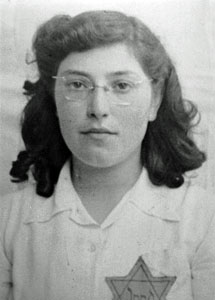
Wartime experience
Evers-Emden's wartime biography shaped her later research. As a Jewish young woman in the Netherlands she went into hiding to escape deportation and was later arrested and deported from the Westerbork transit camp. She was on the transport to Auschwitz that left Westerbork on 3 September 1944, a train that also carried Anne Frank and members of her family. She survived and was liberated on 8 May 1945. These events informed both her personal testimony and her scholarly interest in the ways children coped with secrecy, separation and identity disruption during and after the war.
Research, publications and methods
In the 1990s Evers-Emden published four books that collected testimonies, analyzed psychological effects and described the social context of hidden childhoods. Her approach blended interviews, case histories and reflective analysis to chart how concealment influenced attachment, trust and adult adjustment. Rather than reducing hidden children to a single narrative, she emphasized variety in outcomes: some individuals later reunited with families, others formed new bonds with rescuers, and many negotiated complex feelings about belonging and loss.
Themes and contributions
Her work illuminated several recurring themes in the hidden-children literature. Evers-Emden explored identity formation under false names, the ethics of secrecy, the role of foster carers and institutions, and the delayed emergence of traumatic memory. She also examined how societal recognition—or its absence—affected survivors' ability to tell their stories and receive support. As a clinician and scholar she advocated for sensitive, long-term attention to psychological aftereffects.
- Documentation of personal testimony and oral history: collecting interviews and memoir material.
- Clinical insight: linking childhood concealment to patterns of attachment and trauma.
- Public education: bringing hidden children into national remembrance and debate.
- Cultural mediation: writing for general audiences as well as academic readers.
Public life and legacy
Beyond her books, Evers-Emden contributed columns to the Jewish weekly Nieuw Israëlietisch Weekblad and engaged in public talks and commemorations. Her dual identity as both a survivor and a professional lent authority to her commentary on wartime experience and postwar care for children affected by conflict. Her work remains cited in discussions of Holocaust memory, child welfare in wartime and the ethics of rescue. For further reading or archival materials, see resources linked by Jewish community organizations and Holocaust research centers: Dutch Jewish resources, child psychology archives, and thematic collections on wartime concealment hidden children studies. Biographical and contextual references include records of hiding and deportation hiding histories, transport lists and camp documentation camp records, and narratives connecting individuals such as Anne Frank to shared transports and fates Anne Frank and contemporaries.
Bloeme Evers-Emden's life illustrates how survivor testimony can inform clinical understanding and public memory. Her combination of scholarship, personal narrative and journalism helped bring the experiences of hidden children into broader awareness and continues to inform educators, clinicians and historians concerned with the long shadows of war on childhood.
Related articles
Author
AlegsaOnline.com Bloeme Evers-Emden — Dutch Jewish child psychologist and researcher Leandro Alegsa
URL: https://en.alegsaonline.com/art/12221
Sources
- digitalassets.ushmm.org : Portrait of Bloeme Emden with a Jewish star, circa 1942
- collections.ushmm.org : Oral history interview with Bloeme Evers-Emden (1999)