
Blogger: roles, history, platforms and how blogging works
Overview of what a blogger is, typical activities, platforms and monetization, differences from other online publishing, and practical considerations for starting and maintaining a blog.
A blogger is a person who creates and publishes content on a blog. Blogging ranges from informal personal diaries to professional niche publications. Traditionally a blog is a sequence of dated entries on the web, often presented in reverse chronological order, but contemporary blogs may also organize content by topic or resource pages. A blog can include text, links, embedded media and images, and may serve personal, educational, journalistic or commercial purposes.
Image gallery
4 Images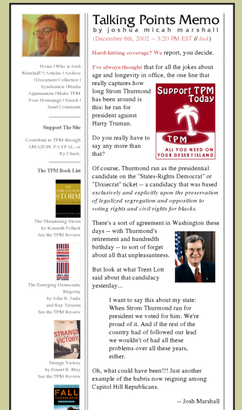


Common types of blogs and roles
Blogs appear in many formats: personal diaries, hobbyist or enthusiast sites, professional specialist blogs, corporate and brand blogs, news or editorial blogs, and niche topic blogs (for example, technology, travel, food, parenting, or finance). Some bloggers focus on storytelling and lifestyle, while others provide tutorials, reviews, or investigative commentary. The role of a blogger is often a mix of author, editor, curator and community manager.
Typical activities and workflow
Producing a blog post involves topic selection, research, drafting, editing, formatting for readability, adding links and media, and publishing. After publication, bloggers promote posts via social platforms, moderate comments, analyse traffic and audience behaviour, and maintain site software and design. These tasks can be done by an individual or a small team; professional bloggers often combine writing with SEO, email newsletters and partnerships.
- Content creation: planning, writing and revising posts.
- Audience engagement: replying to comments and building community.
- Promotion: using social networks and collaborations to increase reach (networking sites).
- Technical upkeep: hosting, backups and software updates, and navigating proprietary software or platform limitations.
Platforms and technical choices
Bloggers choose between hosted platforms and self-hosted setups. Hosted services let authors publish quickly with limited technical maintenance, while self-hosted sites provide more control over design, performance and monetization. Many bloggers maintain a central site and use social media such as Twitter and Facebook to reach audiences and distribute content, combining strengths of both approaches.
History and influence
The practice of keeping online journals dates back to the early internet. Terms like "weblog" and "blog" described frequent personal entries and link sharing. Over time blogging matured into a medium that can influence public conversation, launch careers and support businesses. Notable early and modern examples show how sustained, distinctive publishing can attract large audiences; some public figures and commentators gained visibility through sustained blogging, such as examples like Tavi Gevinson and Michelle Malkin.
Monetization and professional practice
Common revenue methods include advertising, sponsored content, affiliate marketing, subscriptions, paid newsletters and selling services or products. Successful monetization typically combines useful content, consistent publishing, audience trust, and clear disclosure of commercial relationships. Ethical and legal responsibilities—accuracy, copyright, privacy and disclosure—remain important whether a blog is personal or commercial.
Differences from related formats
Blogging overlaps with journalism, podcasting and social media but differs in format and intent. Microblogging emphasizes short, rapid posts; blogs often provide longer, structured articles and an archive of work. A blogger may use both long-form posts and short updates to meet different audience needs.
Beginners should compare hosting options, learn basic SEO and content strategy, and consult resources on diary-style writing (diary) and journal techniques (journal) to develop a consistent voice. Additional guidance and platform documentation are available through community hubs and help centers that cover publishing best practices and social integration (starting a blog, web publishing).
Related articles
Author
AlegsaOnline.com Blogger: roles, history, platforms and how blogging works Leandro Alegsa
URL: https://en.alegsaonline.com/art/12225