
Jerry Fodor: philosopher of mind and theorist of mental representation
Overview of Jerry Fodor's life, key ideas (language of thought, modularity), major works, debates with cognitive science, criticisms, personal life and legacy.
Overview
Jerry A. Fodor (April 22, 1935 – November 29, 2017) was an American philosopher whose work helped shape late 20th century debates about the nature of the mind. He is best known for defending a representational, computational account of thinking and for arguing that many cognitive processes are specialized, or "modular." His writing addressed both technical questions in philosophy and empirical concerns in psychology and cognitive science. Fodor published influential books and many essays intended for specialists and for a broader literate audience.
Image gallery
4 Images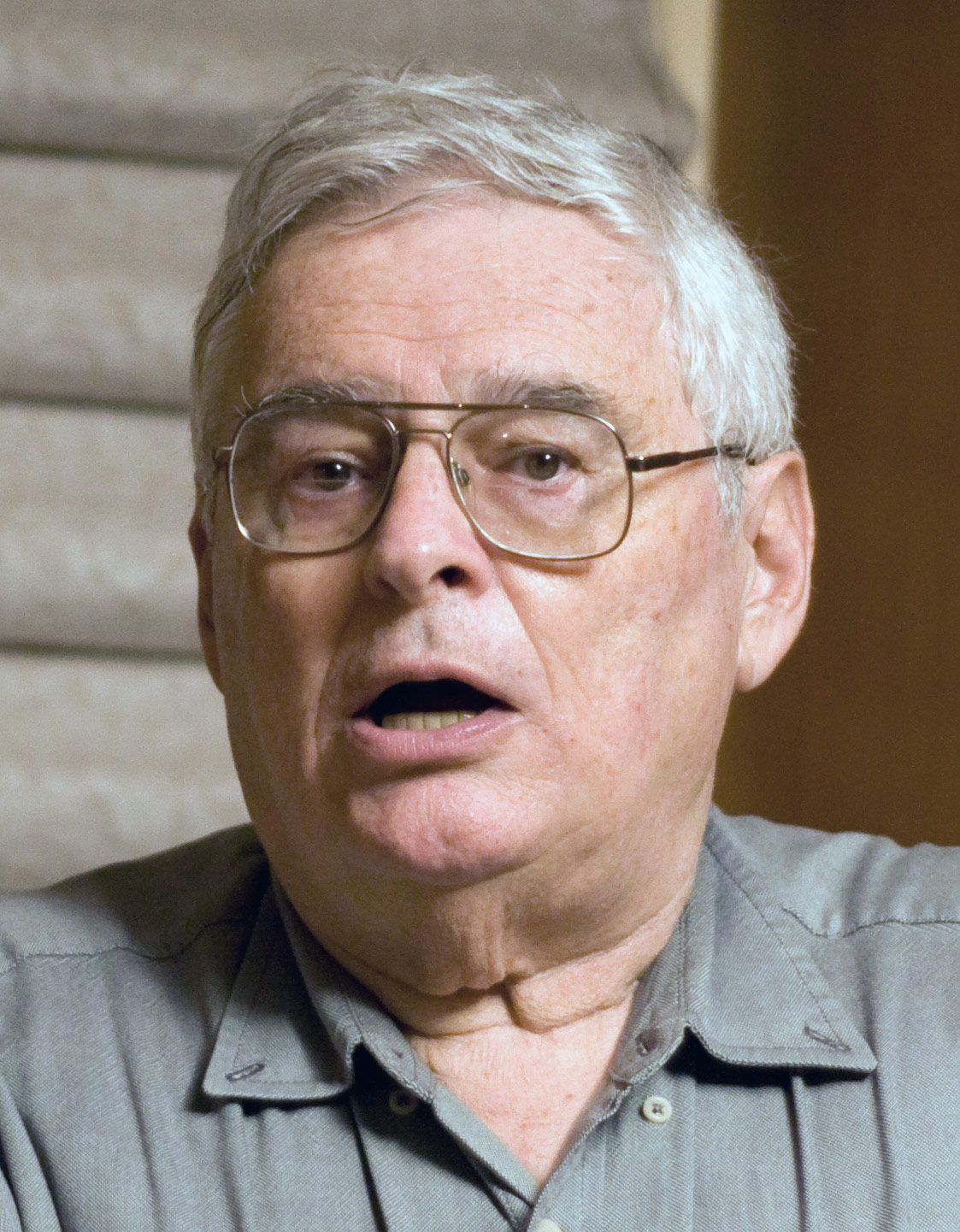


Core ideas and contributions
Fodor advanced several interlocking theses that have become central reference points in cognitive theory and the philosophy of mind. Important themes include:
- Representational and computational view of mind: Thought involves internal representations that are processed by computational mechanisms. This general framework is often called the computational theory of mind and influenced experimental and theoretical work in cognitive science.
- Language of thought hypothesis: Fodor argued that thinking occurs in a mental language — a systematic, structured medium that carries propositional content. This proposal is commonly identified with the language of thought idea in contemporary debates.
- Modularity: He defended a distinction between domain-specific, informationally encapsulated systems (modules) and more global, central processes. His account of perceptual and some linguistic capacities as modular sparked much research and controversy.
- Philosophy of content and mental representation: Fodor worked on how mental states acquire meaning and how psychological explanations relate to physical explanations in the brain. He resisted simple reductionist or eliminative moves, insisting on the explanatory role of representational states in mental life.
Major works and debates
Across books and articles Fodor set out arguments against rival frameworks such as eliminative materialism and some versions of connectionism. His major titles articulate variants of his central claims and respond to contemporary research in psychology and neuroscience. These writings established him as a public intellectual who engaged critics vigorously, generating prominent exchanges with other thinkers in the field.
Reception, criticism, and distinctions
Fodor's proposals were influential but often contested. Some critics accused his emphasis on localized mental architecture of resembling discredited nineteenth-century ideas about brain localization, sometimes invoking phrenology as a rhetorical contrast; defenders and Fodor himself pointed to modern empirical and theoretical work to distinguish his view. Prominent philosophers and cognitive scientists, including Daniel Dennett, debated Fodor's claims about the scope of modularity and the viability of a language-like format for thought. These disagreements contributed to productive research programs and clarified empirical questions for psychologists and neuroscientists.
Importance and examples
Fodor's ideas changed how researchers frame questions about perception, language, development, and cognition. For example, treating early visual processing as modular led to experiments investigating informational encapsulation, while the language of thought stimulated work on compositionality — how complex thoughts are built from simpler parts. Many contemporary positions in philosophy of mind are offered as refinements or responses to Fodor's claims.
Personal life and legacy
Outside academic writing Fodor was known for a lively style and for contributing essays to general literary outlets. He lived in Newark, New Jersey, with his wife, Janet, and enjoyed opera and cultural commentary. He wrote for venues such as the London Review of Books and remained an engaged public intellectual. Fodor died in New York City from complications related to Parkinson's disease on November 29, 2017 at age 82. His work continues to be taught and debated in philosophy departments and informs experimental agendas in philosophy of mind and cognitive science.
For further reading on central concepts and responses to Fodor's program see surveys and collected essays that summarize his arguments and the ensuing literature. Debates over mental representation, the modularity of cognition, and the nature of psychological explanation frequently invoke Fodor's contributions as a touchstone for contemporary discussion about thought and language. Biographical and reflective pieces describe his intellectual development and public interventions, while critics and supporters alike trace how his ideas shaped modern approaches to the mind and the study of cognition.
Fodor's career illustrates how philosophical theory and empirical science can interact: his proposals posed constraints that empirical research must address, and empirical findings in turn have shaped reassessments of his claims.
Related articles
Author
AlegsaOnline.com Jerry Fodor: philosopher of mind and theorist of mental representation Leandro Alegsa
URL: https://en.alegsaonline.com/art/121877