
Philosophy of Mind
Study of the nature of minds, mental events, consciousness, and their relation to the physical world; examines competing theories, methods, and links to neuroscience, psychology, and AI.
The philosophy of mind is the branch of philosophy that asks what the mind is, how mental processes work, and how mental phenomena relate to the rest of reality. It treats topics such as perception, belief, desire, intention, and especially consciousness. Questions range from whether mental states are physical to how subjective experience arises from biological systems.
Image gallery
8 Images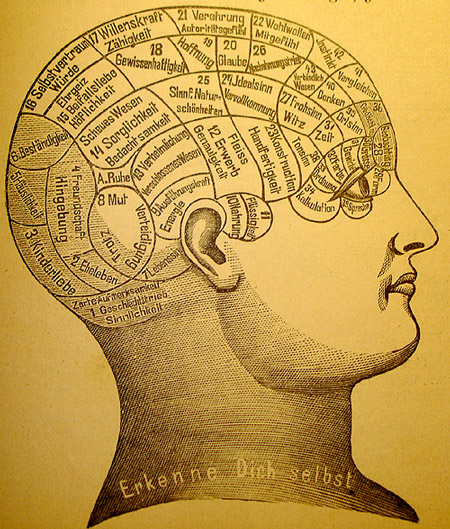






Key problems and concepts
- Mind–body problem: how mental states connect to physical processes.
- Consciousness and qualia: the subjective aspects of experience.
- Intentionality: the aboutness of thoughts and mental representation.
- Mental causation and free will: whether and how minds can cause actions.
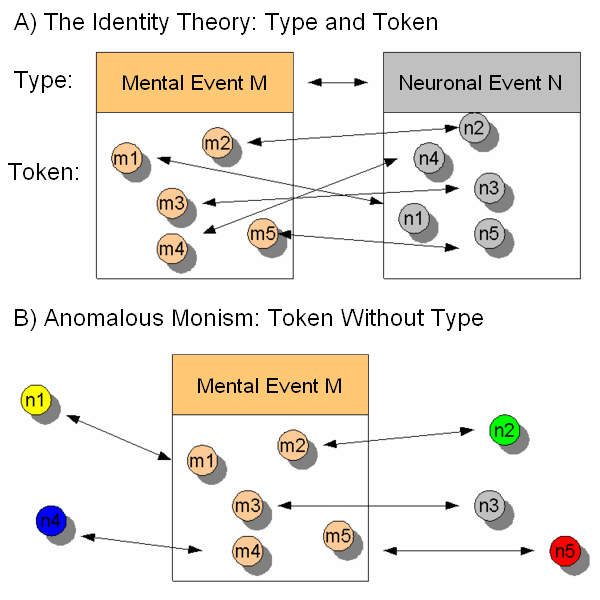
Philosophers distinguish several theoretical approaches. Dualism holds that mental phenomena are distinct from physical substance; physicalism (or materialism) identifies mental states with physical states or processes. Functionalism defines mental states by their causal roles rather than by their material makeup. Other positions include identity theory, behaviorism, emergentism, and various forms of non-reductive physicalism.
History and development
Problems central to the philosophy of mind trace back to ancient and early modern thinkers. Modern formulations often refer to figures who emphasized a sharp mind–body divide, as well as later responses that build on developments in experimental psychology and cognitive science. Over the twentieth century analytic philosophy and the rise of the cognitive sciences shaped many current debates.
The field interacts closely with empirical disciplines such as psychology, neuroscience, and artificial intelligence, and it also engages with fundamental issues in physics when considering the physical basis of consciousness. Thought experiments—like the knowledge argument, philosophical zombies, or computation-based examples—are frequently used to test intuitive and theoretical claims.
Because it spans conceptual analysis and empirical findings, the philosophy of mind remains a central area for understanding cognition, informing debates about mental health, machine intelligence, and the nature of subjective experience.
Questions and answers
Q: What is philosophy of mind?
A: Philosophy of mind is a branch of philosophy that explores how the mind functions and its relationship with the world around us.
Q: What does philosophy of mind deal with?
A: Philosophy of mind deals with consciousness, and how it is understood within psychology and physics.
Q: How does philosophy of mind relate to the study of the mind?
A: Philosophy of mind is concerned with understanding the nature of the mind, how it functions and how it is related to the body and the rest of the world.
Q: What are some of the key topics in philosophy of mind?
A: Key topics in philosophy of mind include consciousness, perception, mental states, and the mind-body problem.
Q: What other fields of study are related to philosophy of mind?
A: Psychology and physics are also related fields that study consciousness and the mind.
Q: What is the mind-body problem and how does it relate to philosophy of mind?
A: The mind-body problem is the question of how mental states are related to physical phenomena, and is a key concern in philosophy of mind.
Q: What is the goal of philosophy of mind?
A: The goal of philosophy of mind is to better understand the nature of the mind and consciousness, and how they are related to the physical world.
Related articles
Author
AlegsaOnline.com Philosophy of Mind Leandro Alegsa
URL: https://en.alegsaonline.com/art/76508