
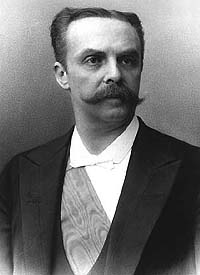
Jean Casimir-Perier (1847–1907) — President of the French Third Republic
French politician who served briefly as President of the Third Republic (1894–1895); earlier speaker of the Chamber, short-lived prime minister, later a businessman whose testimony aided the Dreyfus cause.
Overview
Jean Paul Pierre Casimir-Perier was a French statesman who served as the fifth president of the French Third Republic. Born in 1847 into a family with a strong political tradition, he played a visible part in parliamentary life in the 1880s and 1890s. His time as head of state was notably brief; disagreements with his ministers prompted an unexpected resignation that ended his active political career.
Image gallery
2 Images
Early life and family background
Casimir-Perier came from a prominent political lineage: he was the grandson of Casimir Pierre Perier, a leading figure in early 19th-century French government, and the son of Auguste Casimir-Perier. He entered public service in a family context, first acting as secretary to his father when the latter held the ministry of the interior under the government of Adolphe Thiers. This upbringing gave him both name recognition and early experience within the administrative and parliamentary world of the Third Republic.
Political career and offices
Casimir-Perier progressed through a series of parliamentary and ministerial roles that reflected the practices of his era: experienced legislators often rotated between presidencies of chambers and short-lived ministerial posts. Key positions he held included:
- Under-Secretary of State for War (appointed 17 August 1883; served until January 1885).
- Vice-president of the Chamber of Deputies (around 1890–1892) and later president of the Chamber (elected in 1893).
- Head of government and foreign minister (appointed in December 1893), a cabinet that confronted domestic and diplomatic issues of the moment before collapsing in the spring of 1894.
Presidency and resignation
In the wake of the violent death of President Sadi Carnot, Casimir-Perier was elected head of state by the National Assembly on 24 June 1894. His election came at a fraught moment for the Republic: political factions were divided and the office of the president, while constitutionally limited in power, remained a focal point for national leadership. After only six months in office he announced his resignation on 14 January 1895. He explained that he felt marginalized by his ministers, who he said did not consult him on important decisions nor keep him informed about developments, particularly in foreign affairs. His departure underscored the tensions between the ceremonial and practical functions of the presidency in the Third Republic.
Later life and the Dreyfus affair
After leaving public office Casimir-Perier withdrew from electoral politics and turned to business interests, notably in industry and mining. He nonetheless reappeared briefly on the national stage during the controversy surrounding the wrongful conviction of Alfred Dreyfus. At the Rennes proceedings he provided testimony that contrasted with certain military witnesses and was regarded by contemporaries as valuable to those campaigning for a fair reassessment of the case. His interventions in the Dreyfus affair reflect how retired statesmen could still influence public affairs through testimony and reputation. He died in 1907.
Significance and assessment
Casimir-Perier's political life illustrates several features of the French Third Republic: the prominence of elite families, the revolving-door nature of ministerial and parliamentary offices, and the limits of presidential authority when cabinets and parliamentary majorities are dominant. His brief presidency is often remembered less for policy achievements than for the principled, if abrupt, manner in which he relinquished office when he judged that the constitutional balance of information and consultation had broken down. His later stance in the Dreyfus controversy added a measure of moral weight to the movement for judicial and military accountability.
For further reading on the period and principal figures connected to his career, see contemporary accounts and parliamentary records; for biographical context consult specialist works on the Third Republic and the Dreyfus affair. A useful starting point for names and events mentioned above includes references to Sadi Carnot, the Dreyfus case at Rennes, and documents relating to the trial and rehabilitation process, including materials discussing Alfred Dreyfus.
Questions and answers
Q: Who was Jean Paul Pierre Casimir-Perier?
A: Jean Paul Pierre Casimir-Perier was a French politician and the fifth president of the French Third Republic.
Q: What is his family background?
A: He was born in Paris, the son of Auguste Casimir-Perier and the grandson of Casimir Pierre Perier, premier of Louis Philippe.
Q: What positions did he hold prior to becoming President?
A: Prior to becoming President, he held positions such as secretary to his father who was minister of the interior under Thiers' presidency, under-secretary of state for war, vice-president of the chamber, prime minister and foreign minister.
Q: How long did he serve as President?
A: He served as President for only six months.
Q: Why did he resign from office?
A: He resigned from office because he felt ignored by ministers who didn't consult him before taking decisions or keep him informed on political events, especially in foreign affairs.
Q: What did he do after leaving politics?
A: After leaving politics, he devoted himself to business - especially mining.
Q: How did his evidence help Alfred Dreyfus at Rennes trial?
A: His evidence at Alfred Dreyfus' trial at Rennes was very valuable to Dreyfus' cause as it opposed that of General Mercier's.
Related articles
Author
AlegsaOnline.com Jean Casimir-Perier (1847–1907) — President of the French Third Republic Leandro Alegsa
URL: https://en.alegsaonline.com/art/121682