
Adolphe Thiers: French statesman and historian, first President of the Third Republic
Adolphe Thiers (1797–1877), French statesman and historian and first President of the Third Republic; he helped restore order after the Franco‑Prussian War, opposed the Paris Commune, and authored influential histories.
Marie-Joseph Louis Adolphe Thiers (15 April 1797 – 3 September 1877) was a French statesman, journalist and historian. He played a central role in nineteenth‑century French politics and became the first person to serve as President of the French Third Republic; he is also remembered for his extensive historical writings.
Image gallery
10 Images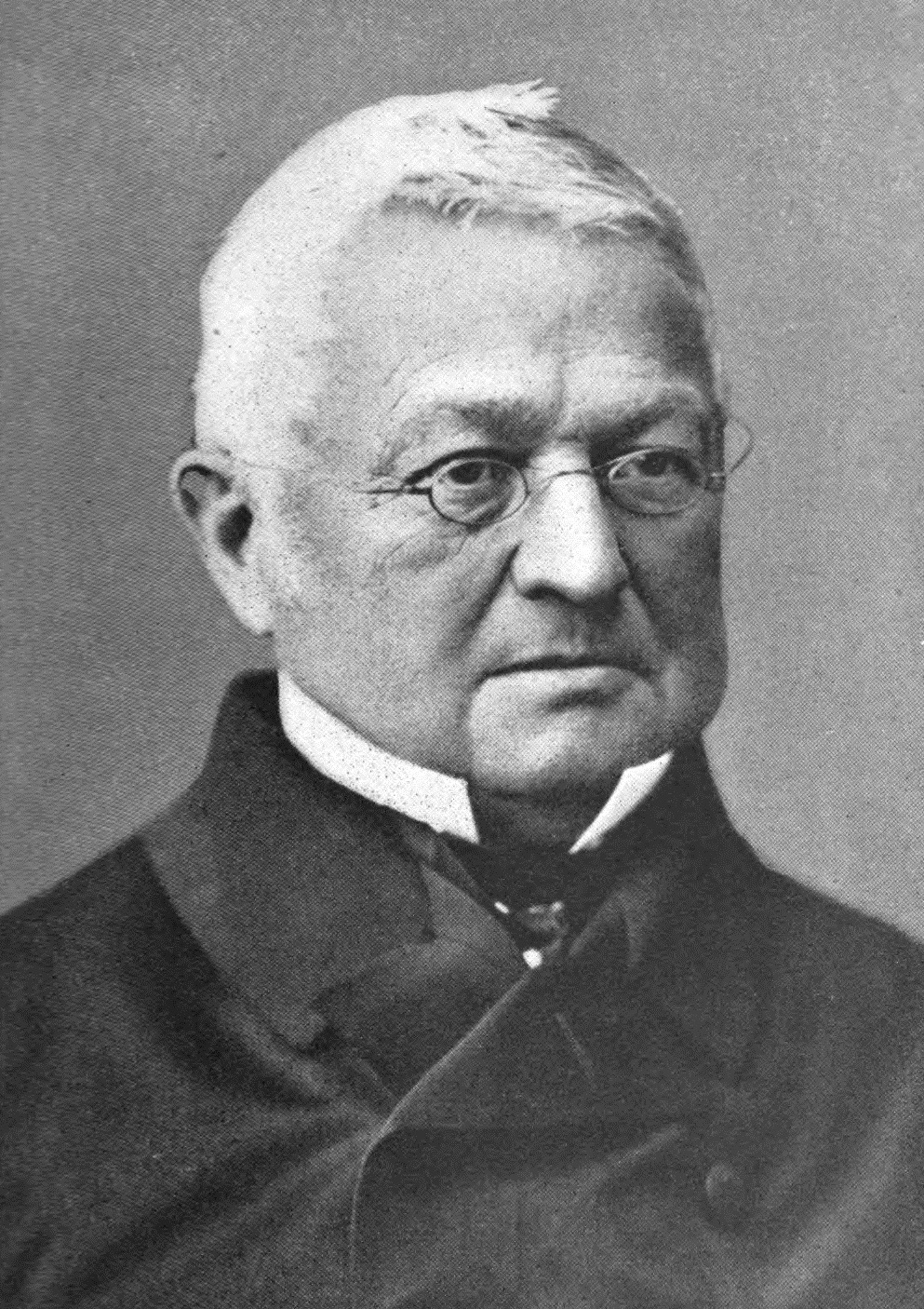
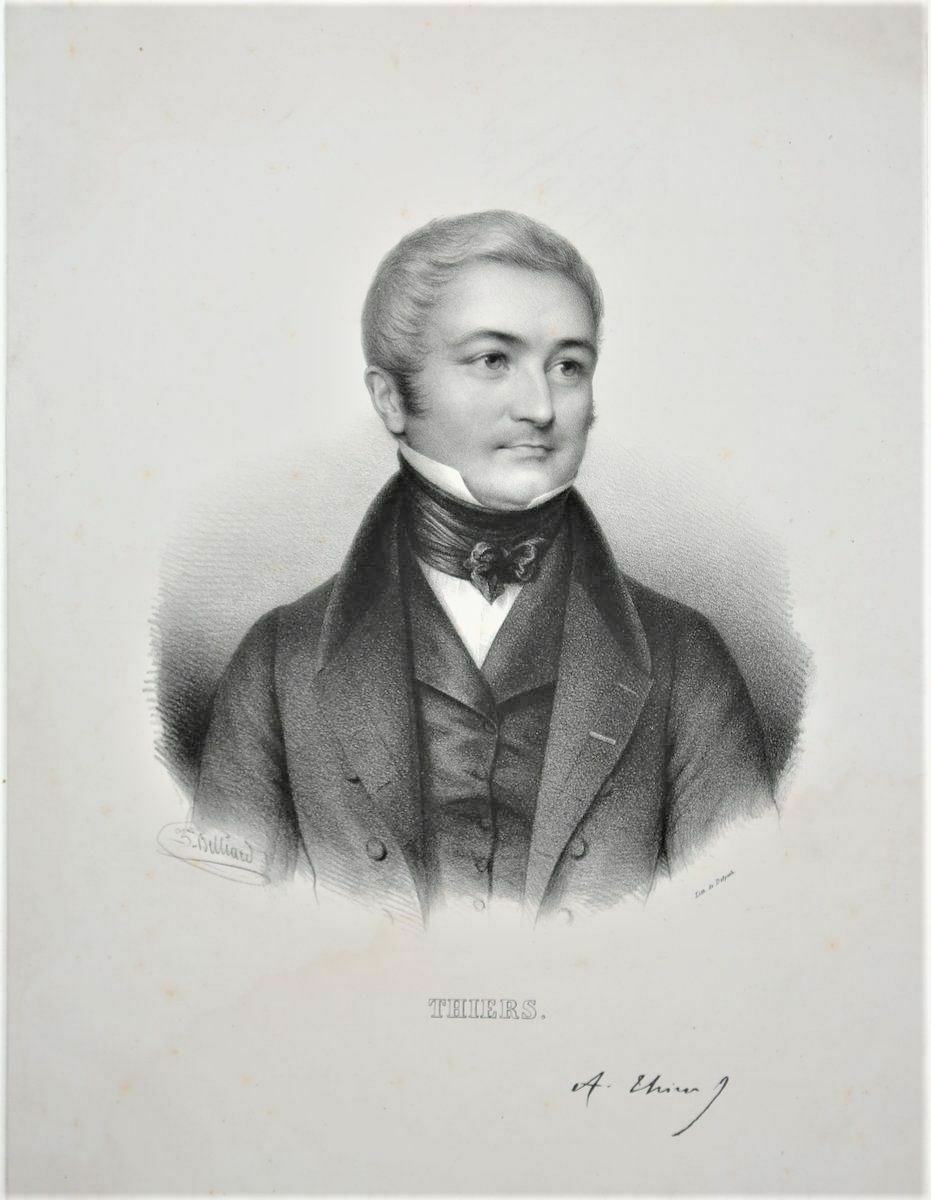


Early life and rise
Thiers was born in 1797 in Provence. Trained initially as a lawyer, he moved into journalism and political commentary, acquiring a reputation as a persuasive and prolific writer. His early career combined literary activity with active participation in the shifting political life of post‑Revolutionary France, and he became known for his support of liberal constitutional government.
Political career
Across several decades Thiers held many public offices and was frequently at the centre of national debates. He served in ministerial posts and led governments at different moments during the July Monarchy and later political regimes. After the collapse of the Second Empire in 1870, Thiers returned to high office in the chaotic aftermath of France’s defeat in the Franco‑Prussian War.
In 1871 he was chosen to head the executive power of the Republic and subsequently was elected President of the Republic. His presidency concentrated on restoring order and reconstructing the state after the war; his administration also confronted the uprising in Paris known as the Paris Commune, which was put down by government forces in 1871. Thiers resigned the presidency in 1873 and retired from active politics.
Historian and writings
Thiers wrote extensively on French history. His multi‑volume histories of the Revolution and of the Napoleonic era achieved wide readership and helped shape nineteenth‑century interpretations of those events. His historical works combined a narrative style accessible to general readers with a strong political point of view, and they remained influential for many years.
Reputation and legacy
- As a statesman, Thiers is credited with helping to stabilise France after the war of 1870–1871 and with providing the early institutional foundations of the Third Republic.
- He is also a controversial figure because of the government’s suppression of the Paris Commune, an episode that continues to affect assessments of his career.
- As a historian, his volumes on the Revolution and the Empire were widely read and contributed to public understanding of modern French history, though later historians have questioned some of his interpretations and methods.
Later life and death
After leaving the presidency Thiers lived in retirement. He died on 3 September 1877. Historians continue to debate his mixture of political moderation, conservative instincts, and strong commitment to national order, while acknowledging his impact on both French politics and historical writing.
Related articles
Author
AlegsaOnline.com Adolphe Thiers: French statesman and historian, first President of the Third Republic Leandro Alegsa
URL: https://en.alegsaonline.com/art/113340