
Jean Gabin: life, career and legacy of a French film icon
Jean Gabin (1904–1976) was a central figure of 20th-century French cinema: a stage performer turned screen star, wartime serviceman, and enduring symbol of a particular French masculine screen persona.
Jean Gabin was a French actor whose face and voice helped define interwar and postwar cinema in France. Born in 1904 and dying in 1976, he achieved wide recognition for performances that combined a laconic presence, a weathered dignity and an understated naturalism. Over a long career that began on variety stages and continued through classic 1930s films, wartime service, and a productive postwar period, Gabin became one of the most celebrated figures of French screen culture and was made a member of the Légion d'honneur. A museum in Mériel preserves memorabilia from his life, film career and wartime service and records his public standing as a national figure; further information about his legacy is available through dedicated resources such as biographical portals.
Image gallery
5 Images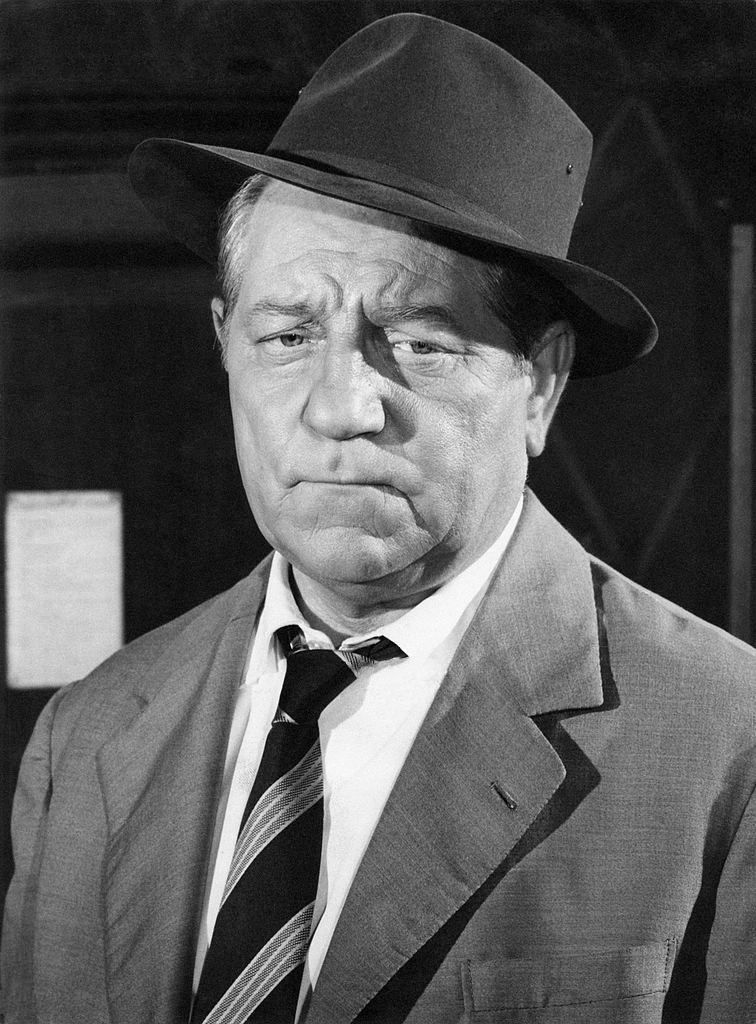


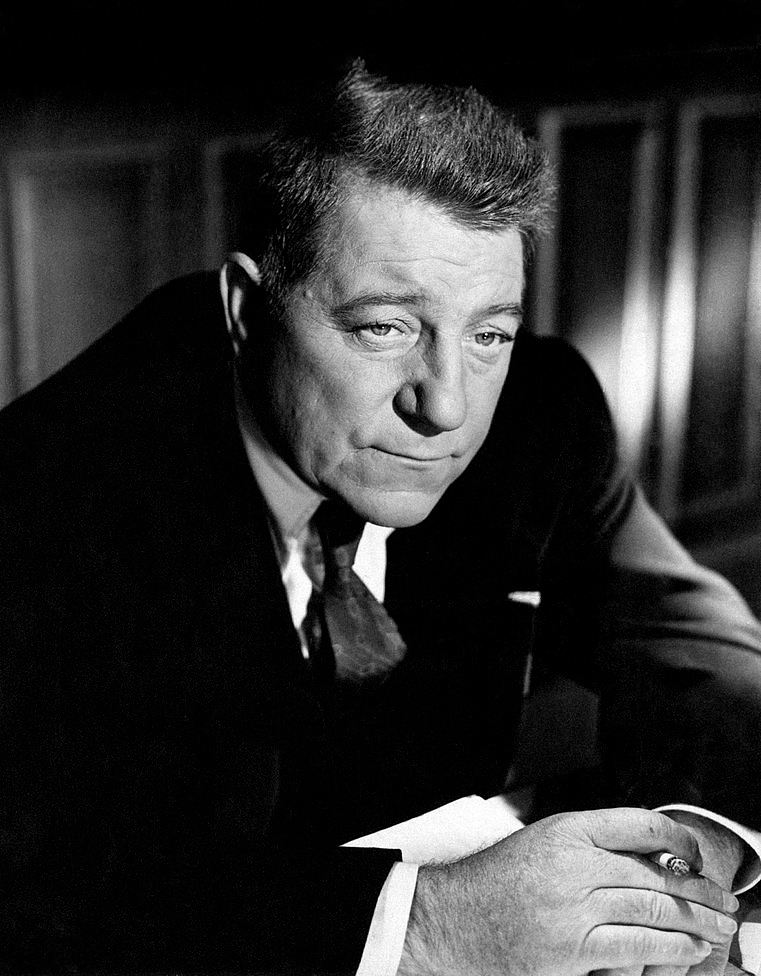

Early years and stage work
Gabin's professional life began in the popular entertainment world rather than in the theatre of literary drama. As a young man he took small roles in music-hall and café-concert shows, including engagements with the Folies Bergère and touring revues. These experiences honed his timing and gave him exposure to a broad public. He toured with troupes that performed abroad, and after a period in the military he returned to work in celebrated Paris venues such as the Moulin Rouge. Those stage beginnings also included occasional recording and cabaret work, so that his career mixed acting and song.
Cinematic rise and screen persona
Gabin moved into film during the 1930s and quickly became associated with the mood and aesthetic often called "poetic realism"—films that paired moody atmospheres with stories about ordinary people and doomed circumstances. Directors who worked with him included Julien Duvivier and Jean Renoir, filmmakers who found in Gabin a performer capable of conveying toughness with heartbreak. His on-screen presence—reserved, muscular, and moral in a quiet way—made him a popular leading man for roles that ranged from gangsters to soldiers and blue-collar heroes. A handful of films from this period are commonly cited when discussing his career:
- Pépé le Moko and other city-bound dramas
- Le Quai des brumes and moody port-city pictures
- La Grande Illusion and socially minded wartime stories
War, exile and military service
The outbreak of the Second World War altered Gabin's life. During the German occupation of France he left Europe and spent time in the United States, where efforts to transition to Hollywood did not bring sustained success—accounts from the period describe cultural and professional friction as well as the difficulty of transferring his specific screen persona to American studio contexts. While abroad he is reported to have had a relationship with the actress Marlene Dietrich. He returned to the fight for France by joining General de Gaulle's Free French forces and served in North Africa, earning military distinctions including the Médaille militaire and the Croix de guerre. For more on the wartime years and related archives see wartime and biographical collections at historical repositories and commemorative pages such as museum and medal records.
Postwar career, revival and later work
After the war Gabin resumed his screen career but at first experienced a period of diminished box-office appeal. His fortunes changed dramatically with the mid-century crime film that returned him to international attention: the 1954 feature commonly known in English as Don't Touch the Loot (original title Touchez pas au grisbi) reintroduced Gabin to audiences as a shrewd, weathered professional in a genre that suited his persona. Over the next two decades he appeared in many more films—nearly fifty—working with a range of directors and adapting to changing tastes while retaining the core qualities that made him distinctive: understatement, laconic timing and emotional restraint. Contemporary critics and later generations of filmmakers noted his influence; cinephiles often point to his ability to embody a modern French masculinity that could be both vulnerable and authoritative.
Legacy and notable facts
Gabin is remembered as more than a star: he became a cultural touchstone. He received official honors, inspired museum exhibitions, and continues to be studied by students of film history for his contribution to acting style and to French national cinema. His life bridged popular entertainment and serious cinematic art, stage and screen, peacetime stardom and wartime service. For curated collections, reviews and archival material consult institutional and cultural links such as archives and general film resources at biographical databases and cinema-specialist sites.
Additional reading and filmographies, including contemporary criticism and retrospective analysis, are available through film archives and specialist publications; researchers often turn to national archives, cinema institutes and museum holdings to trace Gabin's enduring influence on French and international screen culture.
Questions and answers
Q: Who was Jean Gabin?
A: Jean Gabin was a French actor and singer who is considered one of the great stars of French cinema. He was made a member of the Légion d'honneur.
Q: How did Gabin get his start in acting?
A: At the age of 19, Gabin received a small role in a Folies Bergère production. He continued acting until he joined the military, after which he became part of a troupe that toured South America before returning to France and working at the Moulin Rouge. From there, he gained notice and began receiving roles in films.
Q: What director helped make him popular?
A: Gabin became popular after being in films directed by Julien Duvivier.
Q: What happened during World War II?
A: When Germany occupied France in World War II, Jean Gabin went to the United States where he had a romance with actress Marlene Dietrich but did not have success with his career in Hollywood. He then joined General Charles de Gaulle's Free French Forces and earned the Médaille militaire and Croix de guerre for his wartime service in North Africa.
Q: What film marked an international success for him?
A: The 1954 film Touchez pas au grisbi (Don't Touch the Loot) was a very profitable international success for Jean Gabin.
Q: How many more films did he make after Touchez pas au grisbi?
A: After Touchez pas au grisbi, Jean Gabin made close to 50 more films over the next twenty years.
Related articles
Author
AlegsaOnline.com Jean Gabin: life, career and legacy of a French film icon Leandro Alegsa
URL: https://en.alegsaonline.com/art/121689