
Alfred Dreyfus
Alfred Dreyfus (1859–1935) was a French army officer whose wrongful conviction for treason provoked the Dreyfus affair, a defining political and social controversy over justice, antisemitism, and republican values.
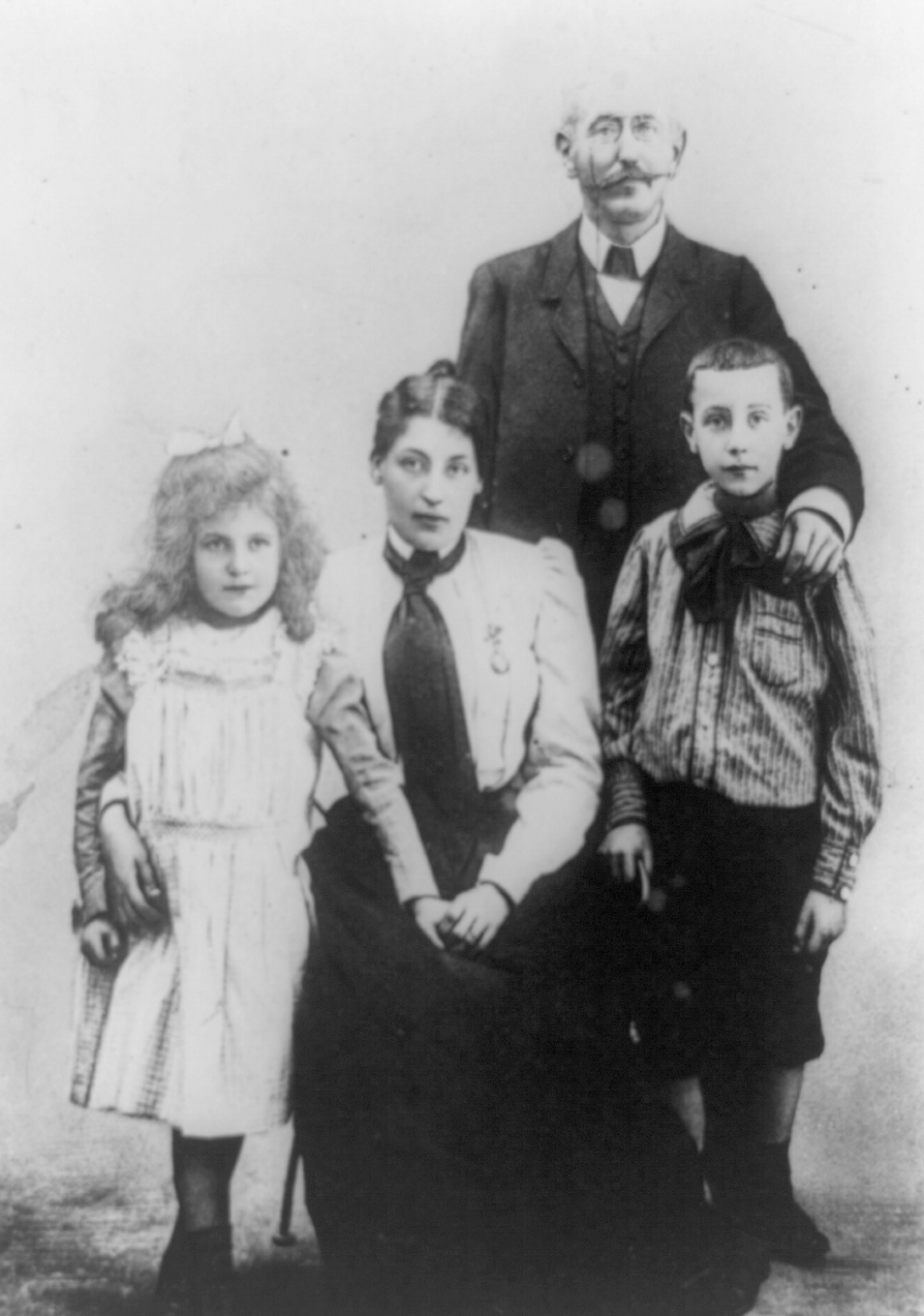
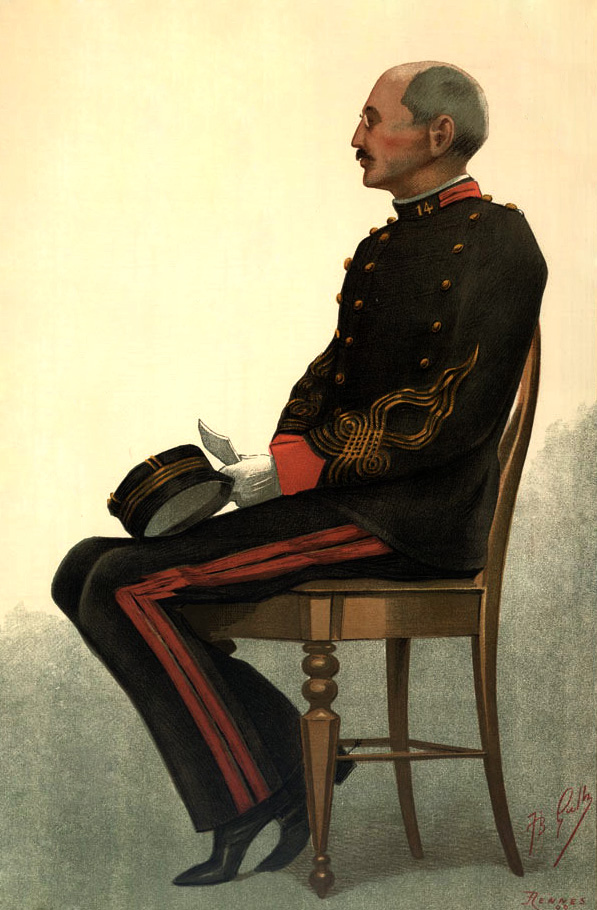
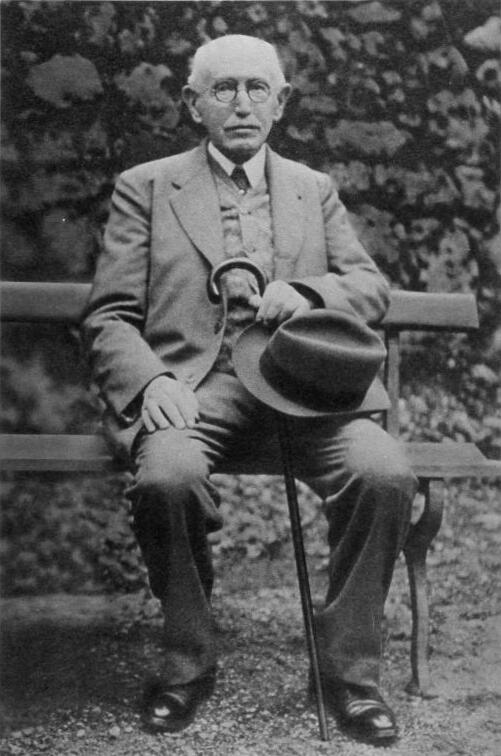
Alfred Dreyfus (1859–1935) was a French military officer of Jewish background whose prosecution and eventual exoneration became one of the most famous legal and political scandals of modern France. Born in Mulhouse, he pursued a career in the French army and later died in Paris. The events around his case exposed deep divisions over justice, national security, and prejudice.
Image gallery
10 Images


Summary of the affair
In the 1890s Dreyfus, a French army officer, was accused of passing military secrets to Germany and was convicted of treason. The conviction rested on disputed documents and secret evidence. He was deported and imprisoned under harsh conditions on Devil's Island in French Guiana, becoming a symbol of judicial error and societal intolerance.
Subsequent investigations revealed flaws in the prosecution: key evidence was forged or misinterpreted, and some officials suppressed exculpatory material. The revelations were amplified by public figures and intellectuals, and a bitter public debate emerged between supporters of Dreyfus (the Dreyfusards) and opponents.
Legal reversal and later life
After new inquiries and political pressure, Dreyfus was eventually granted a pardon and later fully rehabilitated. The final legal confirmation of his innocence restored his civil status, and he was reinstated in the army and advanced to the rank of lieutenant colonel. His case left him both a public figure and a living reminder of the consequences of institutional failure.
Significance and legacy
The Dreyfus affair influenced French politics, highlighting the role of the press, the courts, and public opinion in democratic life. It exposed pervasive antisemitism within parts of the military and society and prompted debates about transparency, military secrecy, and the rule of law. The controversy helped shape the careers and reputations of many contemporary writers, lawyers, and politicians and remains a reference point in discussions about miscarriages of justice.
Notable points
- Case centered on disputed documents and accusations of espionage for Germany.
- Imprisonment took place on Devil's Island, illustrating the severity of the sentence.
- Public intervention by intellectuals and journalists played a key role in reopening the case.
- Dreyfus was born in Mulhouse and died in Paris, and his military career ended with reinstatement to lieutenant colonel rank.
- The affair remains a major example of how prejudice and institutional secrecy can produce grave injustice.
Tags
Related articles
Author
AlegsaOnline.com Alfred Dreyfus Leandro Alegsa
URL: https://en.alegsaonline.com/art/2480
Sources
- dreyfus.culture.fr : www.dreyfus.culture.fr