
Bodrum Castle (Castle of St. Peter): history, architecture and significance
Seaside medieval fortress in Bodrum, Turkey, built from 1402 by the Knights Hospitaller. Known for its towers, maritime archaeology museum, later uses and conservation as a major cultural landmark.
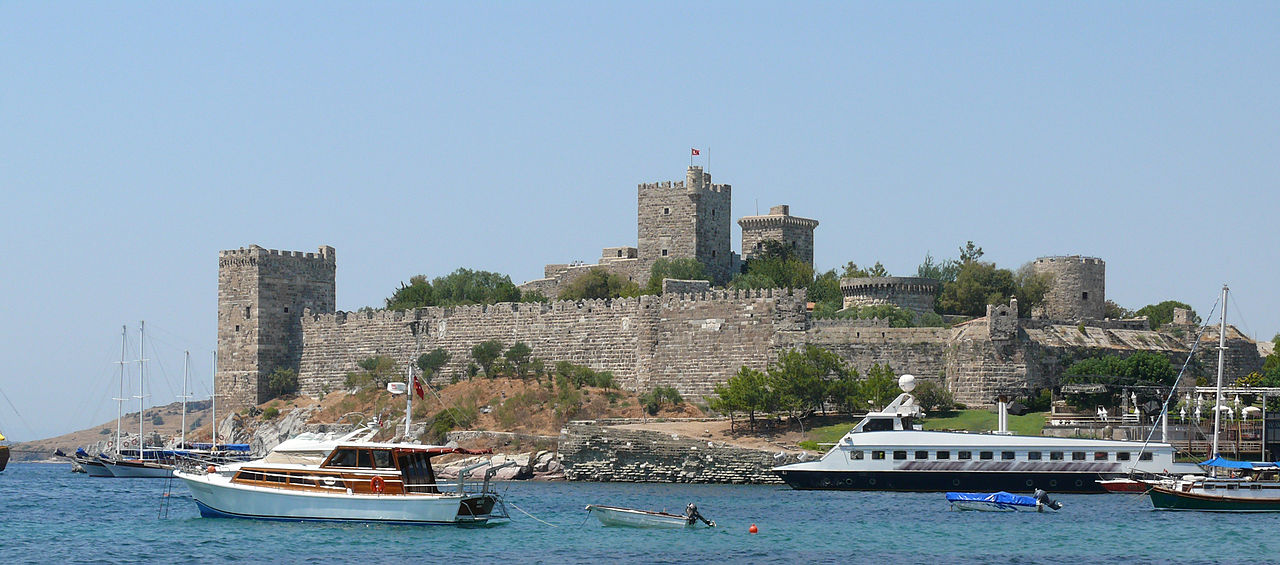
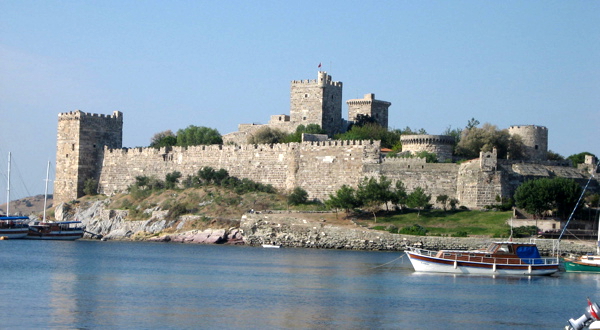
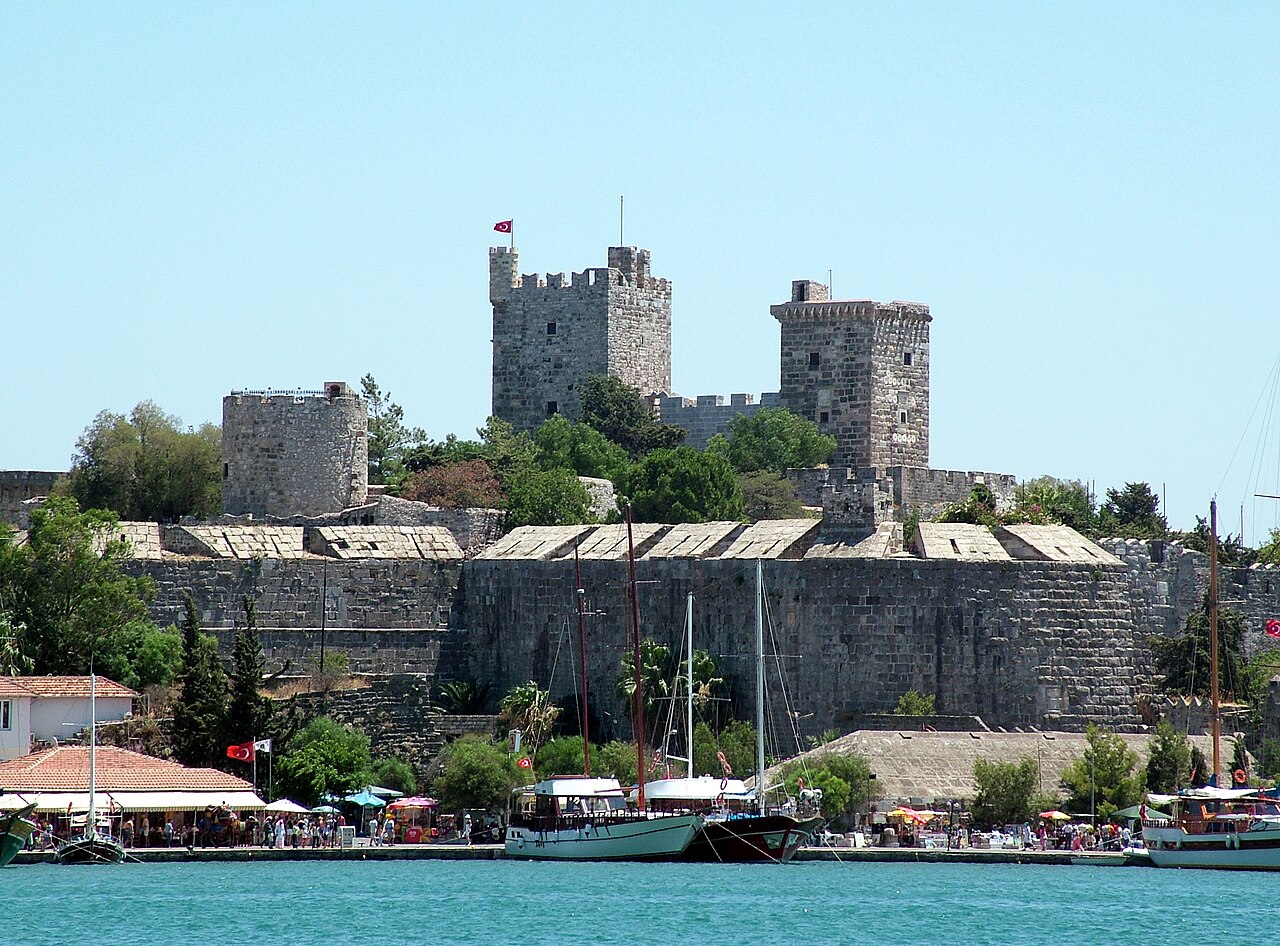
Bodrum Castle, often called the Castle of St. Peter and known in Turkish as Bodrum Kalesi, is a prominent medieval fortress that overlooks the harbor of the Aegean port town of Bodrum. The castle sits on a rocky promontory and is a defining feature of the townscape; practical orientation and local maps are available through regional guides and harbor maps and through municipal information at city resources.
Image gallery
10 Images


Origins and historical overview
Construction of the fortress began around 1402 when the military-religious Order of the Knights Hospitaller established a stronghold to guard sea routes and support regional operations in the eastern Mediterranean. The complex was built in stages and much of the visible fabric was consolidated by the early 16th century. Over the centuries the castle's role changed with shifting political control in the region; parts of the complex were later used for administrative or penal functions, including use as a jail in the 19th century. The foundation and identity of the castle are closely associated with the activities of the Knights Hospitaller.
Layout, towers and architecture
The castle is remarkable for its massive curtain walls, angled bastions and a network of chambers and cisterns. Traditionally there are five principal towers; these towers reflect the international composition of the Hospitaller order and were often identified with the principal languages or national groups of the knights. Within the walls are chapels and vaulted rooms adapted for storage, living quarters and defensive positions. The masonry shows a mix of Gothic military forms and local Anatolian building techniques, with careful use of dressed stone and defensive planning suited to a harbor fortress.
Maritime archaeology and museum use
In modern times the castle has been adapted as a museum complex that interprets the region's rich maritime past. It houses collections of shipwreck finds, anchors, amphorae and other objects recovered from underwater excavations in the Aegean. Exhibits explain ancient seafaring, trade networks and conservation of fragile materials, making the site a principal center for maritime archaeology in Turkey. For current exhibitions and visitor arrangements see official tourism portals and regional pages at tourism authorities and map resources at coordinate and map resources.
Conservation, access and significance
Conservation and restoration work in the 20th and 21st centuries has aimed to stabilise the fabric, improve visitor access and present the castle's history while protecting archaeological material. Interpretive panels, adapted galleries and guided routes help visitors appreciate both the military architecture and the archaeological collections. The castle remains a key cultural landmark for Bodrum and a focal point for studies of medieval orders, coastal fortifications and maritime archaeology.
Visitor notes and further reading
- The fortress is often called Petronium or the Castle of St. Peter in older sources.
- Five main towers are commonly highlighted in descriptions of the site, reflecting the castle's defensive plan and the Hospitaller organisation.
- Adaptive reuse transformed some defensive rooms into exhibition spaces; check local museum pages and visitor centres for opening times and special displays at local cultural sites and municipal listings at municipal archives.
For deeper study consult specialist works on medieval Mediterranean fortifications, publications on the Knights Hospitaller and reports from underwater archaeological projects. Practical visitor guidance and the most up-to-date details are available through Bodrum tourist information and port guides at harbor maps and regional authorities at tourism pages.
Questions and answers
Q: Where is Bodrum Castle located?
A: Bodrum Castle is located in southwest Turkey in the port city of Bodrum.
Q: What was the original name of the castle?
A: The original name of the castle was the Castle of St. Peter or Petronium.
Q: When was it built?
A: It was built from 1402 onwards.
Q: When did construction finish?
A: Construction finished in 1522.
Q: What purpose did it serve during the 19th century?
A: During the 19th century, it served as a jail.
Q: How many towers are there at Bodrum Castle?
A: There are 5 towers at Bodrum Castle.
Related articles
Author
AlegsaOnline.com Bodrum Castle (Castle of St. Peter): history, architecture and significance Leandro Alegsa
URL: https://en.alegsaonline.com/art/12609