
Jason Lee: From professional skateboarder to acclaimed character actor
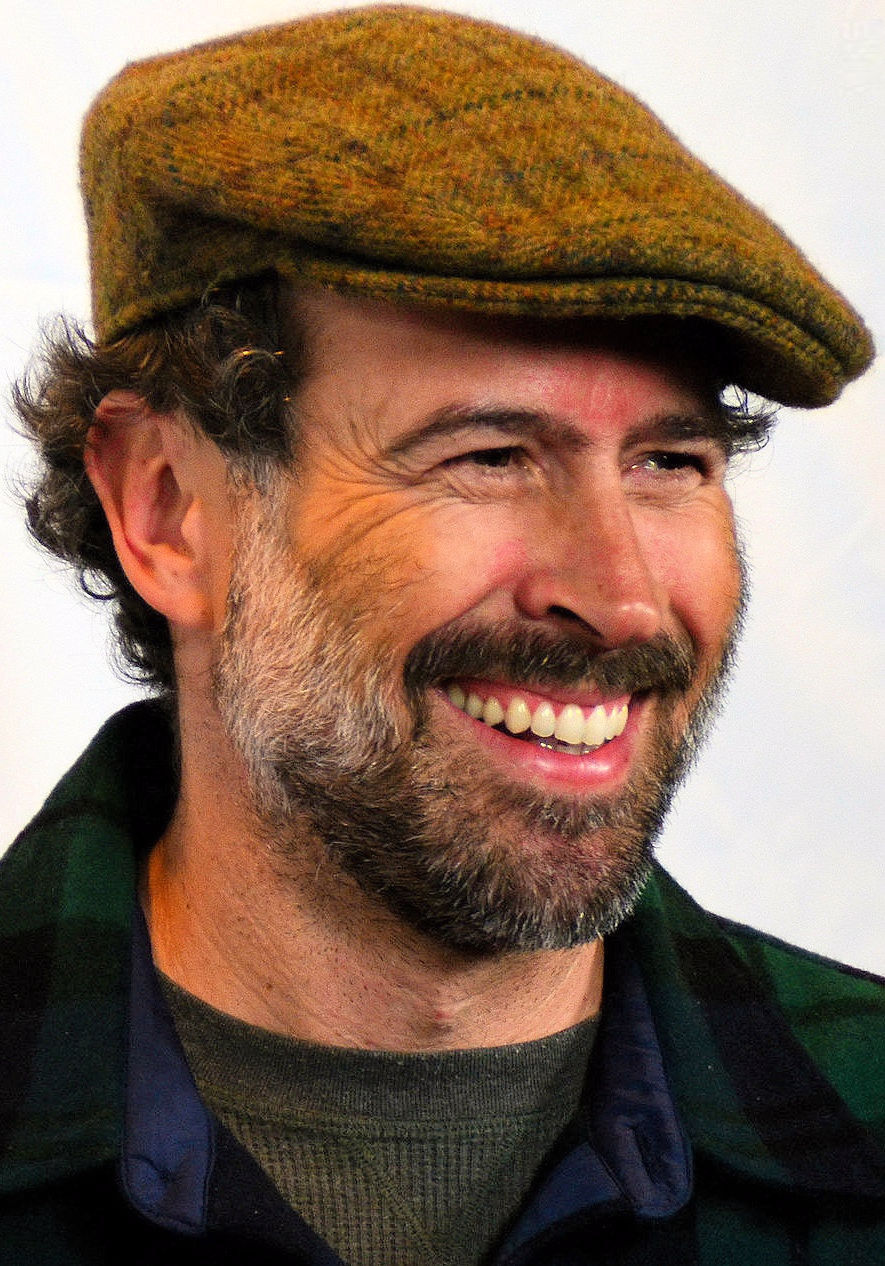
Jason Lee (born 1970) is an American former professional skateboarder, entrepreneur and actor, known for Stereo Skateboards, Mallrats, My Name Is Earl and roles in independent and family films.
Jason Michael Lee (born April 25, 1970) is an American performer whose public life began in skate culture and later moved into film and television. He was born and raised in Orange, California and began skateboarding as a teenager, eventually becoming a recognized professional skateboarder. Lee spent years touring, filming and appearing in a variety of influential skate videos before transitioning into acting in the early 1990s.
Image gallery
4 Images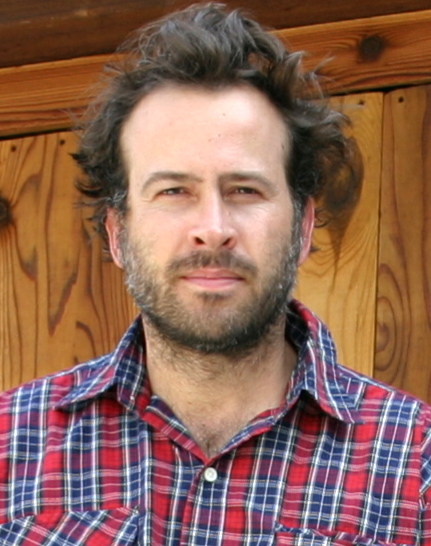


Early life and skateboarding career
Lee grew up in Southern California, a region with a strong skateboarding scene that shaped his early interests. He moved from amateur to professional ranks in his late teens and performed in international skate tours and events. His experience in front of the camera for skate films helped him develop a comfort with performance and timing that later translated to screen work.
Business ventures and cultural ties
Alongside close collaborators he co‑founded a skateboard brand and related clothing label that tied him to the commercial side of the skate world. The company, often cited in profiles of his career as Stereo Skateboards, helped him remain connected to skate culture even after stepping back from full‑time competition. He has been associated with music and small‑business efforts, including a clothing line known at times as Stereo Sounds.
Move into acting and breakthrough
By the early 1990s Lee began accepting small parts in independent films and gradually built a reputation for playing offbeat, sympathetic characters. One of his first notable leading appearances was in Kevin Smith's comedy Mallrats, where he worked alongside performers such as Jeremy London. That exposure led to further roles in independent and mainstream movies, where his understated, laconic style made him an identifiable presence.
Television success and family films
Lee took a prominent lead role on television when he accepted the part in the sitcom My Name Is Earl. The show ran for multiple seasons and brought Lee wider recognition for his comic timing and sympathetic portrayal of an unlikely antihero. He also expanded into family entertainment, playing Dave Seville in the live‑action film Alvin and the Chipmunks and reprising the role in the 2009 sequel Alvin and the Chipmunks: The Squeakquel.
Acting style and critical reception
Many critics and fans regard Lee as an "indie darling" for his frequent work in offbeat or low‑key projects and for choosing character roles over traditional leading‑man parts. His background in skate culture and in running a small business contributed to a down‑to‑earth public image. Reviewers often note his dry delivery, understated physicality and ability to make quirky characters feel human and relatable.
Selected credits and public profile
- Skateboarding and early media: appearances in several key skate videos and international tours.
- Breakthrough film: Mallrats, an early lead role that opened doors.
- Mainstream and indie films: recurring presence in independent cinema and larger studio pictures often described as Hollywood fare.
- Television: lead role on My Name Is Earl, which ran for several seasons and increased his household recognition.
- Family films: portrayed Dave Seville in Alvin and the Chipmunks and its 2009 sequel.
Legacy and later work
Lee's career is notable for the uncommon trajectory from professional athlete and small‑business founder to respected character actor. He has continued to choose a mix of projects—supporting parts, independent leads and family films—that demonstrate range and an interest in character‑driven stories. His name remains linked to the skateboard brand Stereo Skateboards and to the skate videos that first brought him public attention.
For readers seeking more on his early life, skate career and filmography, profiles and interviews often highlight the transition period in the early 1990s when he began auditioning and appearing in short roles. That period culminated in his move into mainstream film comedies and the television success that followed; throughout, Lee kept ties to the skate community and to projects that reflected his offbeat screen persona.
Though best known to some audiences for his television work and family films, Lee remains a frequent presence in indie cinema and occasional mainstream projects, and his combination of athletic origins, entrepreneurial activity and acting makes him a distinctive figure in contemporary American entertainment history. His career illustrates how skills learned in one cultural sphere can translate into another and how a low‑key, character‑first approach can build a durable public presence.
Additional context: his biography and credits are often discussed in pieces about skate culture's influence on film and the ways alternative sports figures have moved into acting. For further reading on these themes, see dedicated profiles and retrospectives that track his path from Orange, California to film and television, and note the recurring references to his skateboarding origins and entrepreneurial ventures such as Stereo.
Related names and collaborators mentioned in connection with Lee include peers from the skate world and actors from his early film roles, and his work continues to be cited in discussions of 1990s independent cinema and 2000s television comedy. For fans and researchers alike, Lee's hybrid career offers an example of cross‑disciplinary reinvention and sustained niche appeal as both a former pro skateboarder and a working actor.
See also: profiles that list his skate credits, filmography and television appearances for a more complete chronology and credits list; many such resources reference specific skate films and collaborations that shaped his early public image and subsequent opportunities in acting.
Actor profile and career overview and other comprehensive articles provide context for his choices and the development of his screen persona.
Related articles
Author
AlegsaOnline.com Jason Lee: From professional skateboarder to acclaimed character actor Leandro Alegsa
URL: https://en.alegsaonline.com/art/121547
Sources
- biography.com : "Jason Lee Biography"
- rottentomatoes.com : "Jason Lee"
- tvguide.com : "Jason Lee"