
James McHenry (1753–1816) — Signer of the Constitution and U.S. Secretary of War
James McHenry was an early American statesman from Maryland, a signer of the U.S. Constitution, Continental Congress delegate and third U.S. Secretary of War; Fort McHenry bears his name.
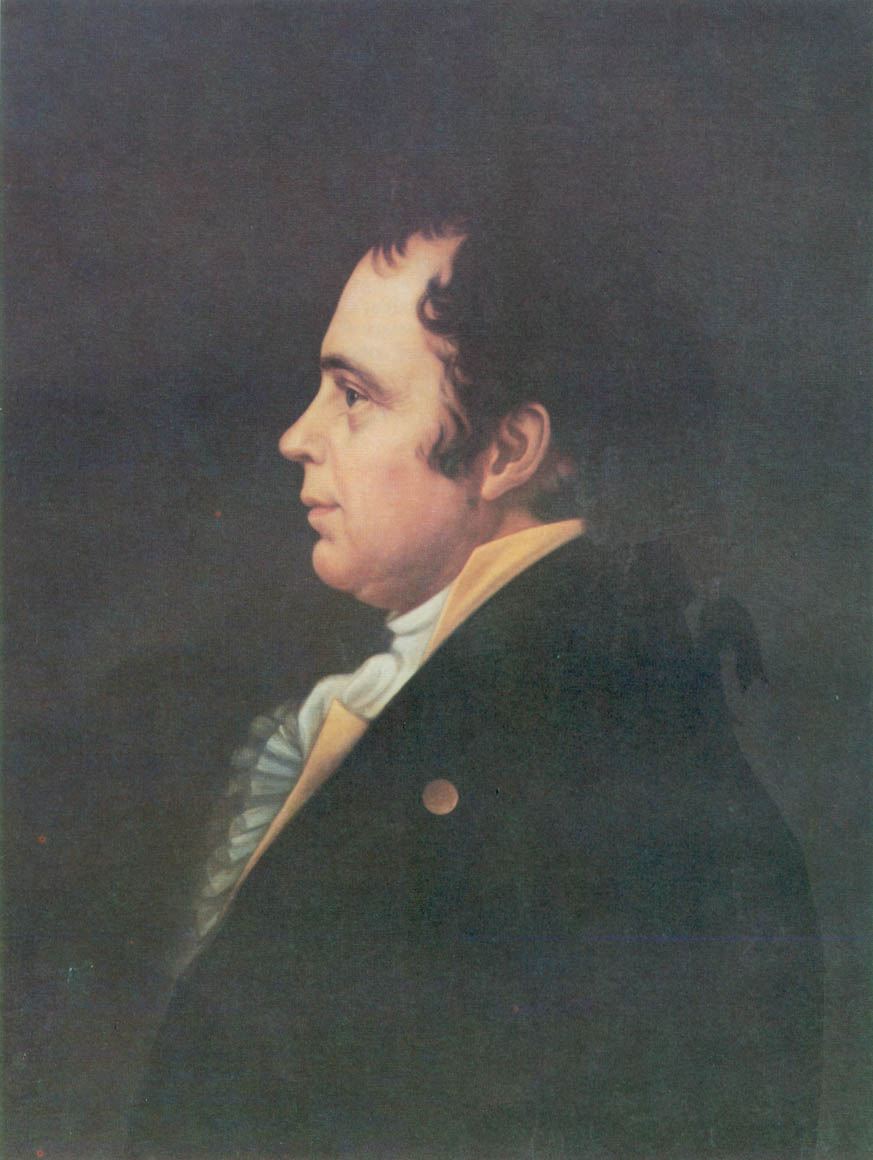
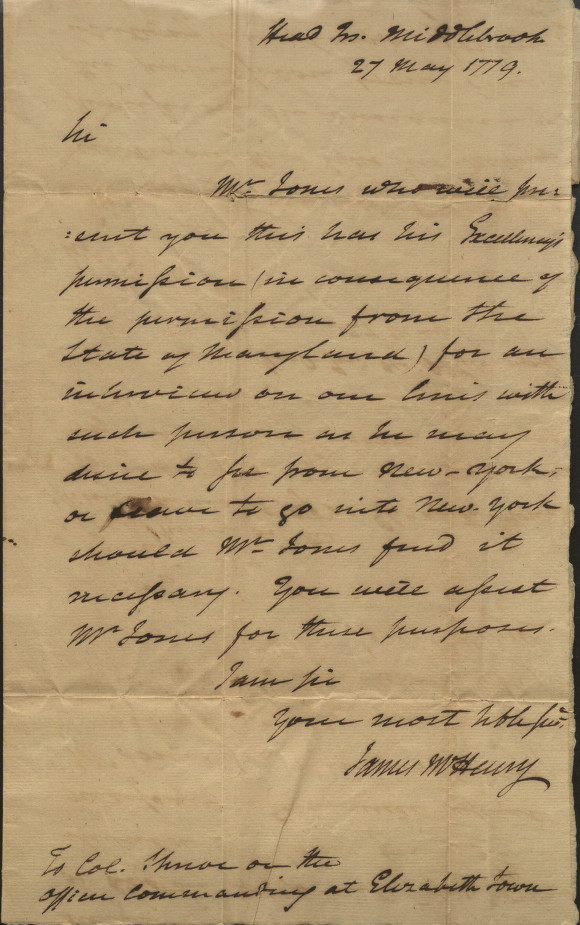
James McHenry (November 16, 1753 – May 3, 1816) was an early American statesman and public official. Trained in medicine, he became involved in revolutionary politics and represented Maryland at national assemblies. McHenry is best known as one of the signers of the United States Constitution and for later service in the federal government.
Image gallery
7 Images



Early life and career
McHenry was born in the mid-18th century and trained as a physician before entering public life. During the Revolutionary era he served in medical and administrative positions that brought him into contact with political leaders of the time. His medical background and organizational experience contributed to his later appointments to national office.
Role in the founding period
As a delegate from Maryland, McHenry participated in national deliberations and sat in the Continental Congress. He was one of the framers and signers of the Constitution, a credential that secured his place among the generation that shaped the new federal government. His work aligned him with the moderate Federalist outlook on a stronger central authority.
Secretary of War and public service
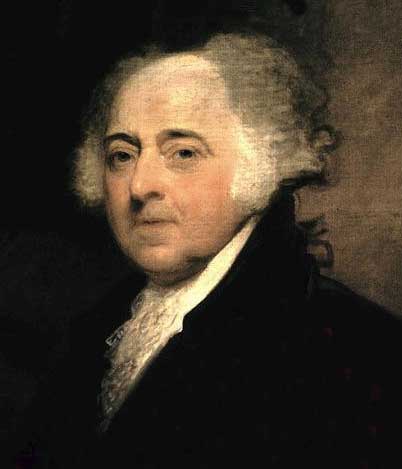
McHenry served as the third United States Secretary of War from January 27, 1796 to May 13, 1800. He held that office through the end of George Washington’s presidency and much of John Adams’s administration, working under George Washington and John Adams. His tenure involved organization of the War Department, oversight of army administration, and navigation of partisan tensions common in the 1790s.
Legacy and notable facts
Fort McHenry in Baltimore was named in his honor; the fort later became famous for repelling a British attack in 1814 during the War of 1812 and inspired the poem that became the national anthem. McHenry’s career illustrates the close links between military, medical and political service in the early republic. He retired from national office in 1800 and died in 1816, leaving a record as a signer of the Constitution and an early cabinet official.
Summary of principal roles
- Delegate and signer: participant in the constitutional founding and the Continental Congress.
- Cabinet official: third U.S. Secretary of War, serving under Washington and Adams.
- Namesake: Fort McHenry commemorates his contribution to the young nation.
For further reading on McHenry’s life and the institutions he served, consult biographical and early republic sources that document the emergence of federal offices and the men who held them.
Related articles
Author
AlegsaOnline.com James McHenry (1753–1816) — Signer of the Constitution and U.S. Secretary of War Leandro Alegsa
URL: https://en.alegsaonline.com/art/121340