
James Meredith: First Black Student at the University of Mississippi and Civil Rights Figure
James Meredith (born 1933) is an American civil rights figure and writer who, as the first African American student at the University of Mississippi in 1962, became a symbol of federal enforcement of desegregation.
James Howard Meredith (born June 25, 1933) is an American figure in the Civil Rights Movement, a writer, and a political adviser. A veteran of the Air Force, Meredith is best known for being the first African American admitted to the then-segregated University of Mississippi, a confrontation that tested federal authority and public attitudes toward integration.
Image gallery
6 Images




Early life and background
Born in Mississippi, Meredith grew up in the segregated South and pursued education and military service before challenging university barriers. He attended college courses and served in the military, returning to civilian life with a determination to press legal claims for equal access. His actions combined personal resolve with the evolving legal framework of the era.
Admission to the University of Mississippi (1962)
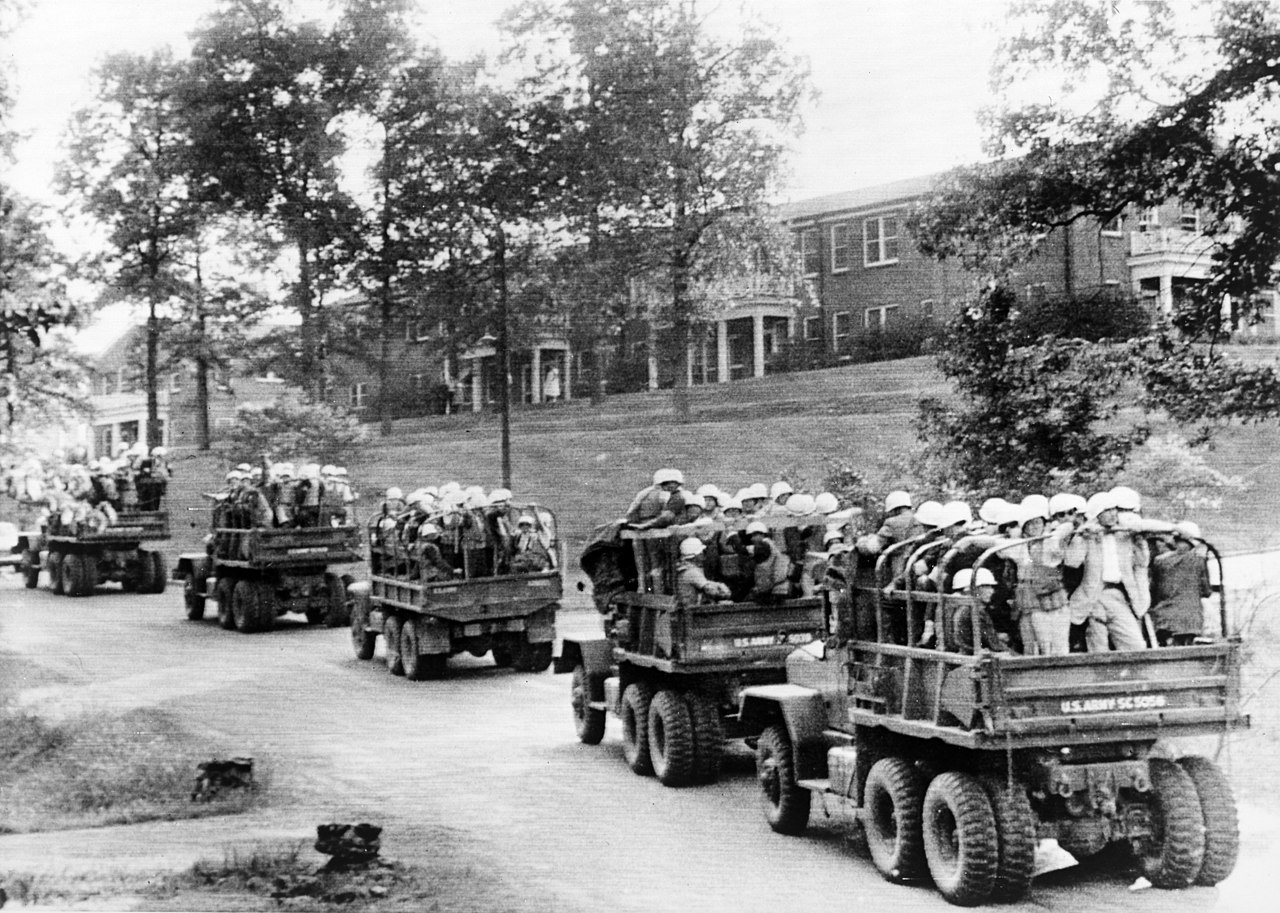
In 1962 Meredith applied for admission to the University of Mississippi. When state authorities moved to block his entrance, the dispute reached the federal level. After court orders in his favor, the Kennedy administration deployed federal marshals and troops to enforce the decision. The campus confrontation provoked violent riots, highlighted the conflict between state resistance and federal law, and made Meredith a focal point of national attention. The episode underscored the limits of segregationist policies and helped advance desegregation.
March Against Fear and activism
Several years later, Meredith launched a solitary march from Memphis toward Jackson to encourage African Americans to register to vote. During that effort he was shot and critically injured; civil rights leaders and organizations continued the march in his name. This 1966 initiative drew attention to voter registration and the risks faced by activists working to expand political participation.
Later life, writing, and public roles
After these landmark episodes Meredith published memoirs and essays and remained a public figure with shifting political views. He has worked as a writer and at times as a political adviser, commenting on civil rights, public policy, and electoral politics. His writings reflect personal experience and an independent perspective on race and American democracy.
Legacy and significance
- Legal and symbolic victory for desegregation of higher education.
- Illustration of federal enforcement of constitutional rights.
- Ongoing influence on debates about access, voting rights, and civil liberties.
For contemporary overviews and primary documents, see collections and analyses by historians and civil rights archives. Meredith's life continues to be studied as a case of individual courage and as part of the broader struggle for equality in the United States. Learn more or consult archival sources and biographies for detailed accounts. Read writings and accounts of the march and the 1962 events. Additional resources and official records can be found through educational and historical repositories: institutional histories, movement overviews, and curated collections. University records and military records such as those tied to the Air Force period are also relevant.
Related articles
Author
AlegsaOnline.com James Meredith: First Black Student at the University of Mississippi and Civil Rights Figure Leandro Alegsa
URL: https://en.alegsaonline.com/art/121341
Sources
- spartacus.schoolnet.co.uk : "James Meredith"