
James Clerk Maxwell: life and scientific contributions
Scottish scientist James Clerk Maxwell (1831–1879) unified electricity, magnetism and light, developed statistical ideas in physics, and made lasting advances in color photography and the theory of Saturn's rings.
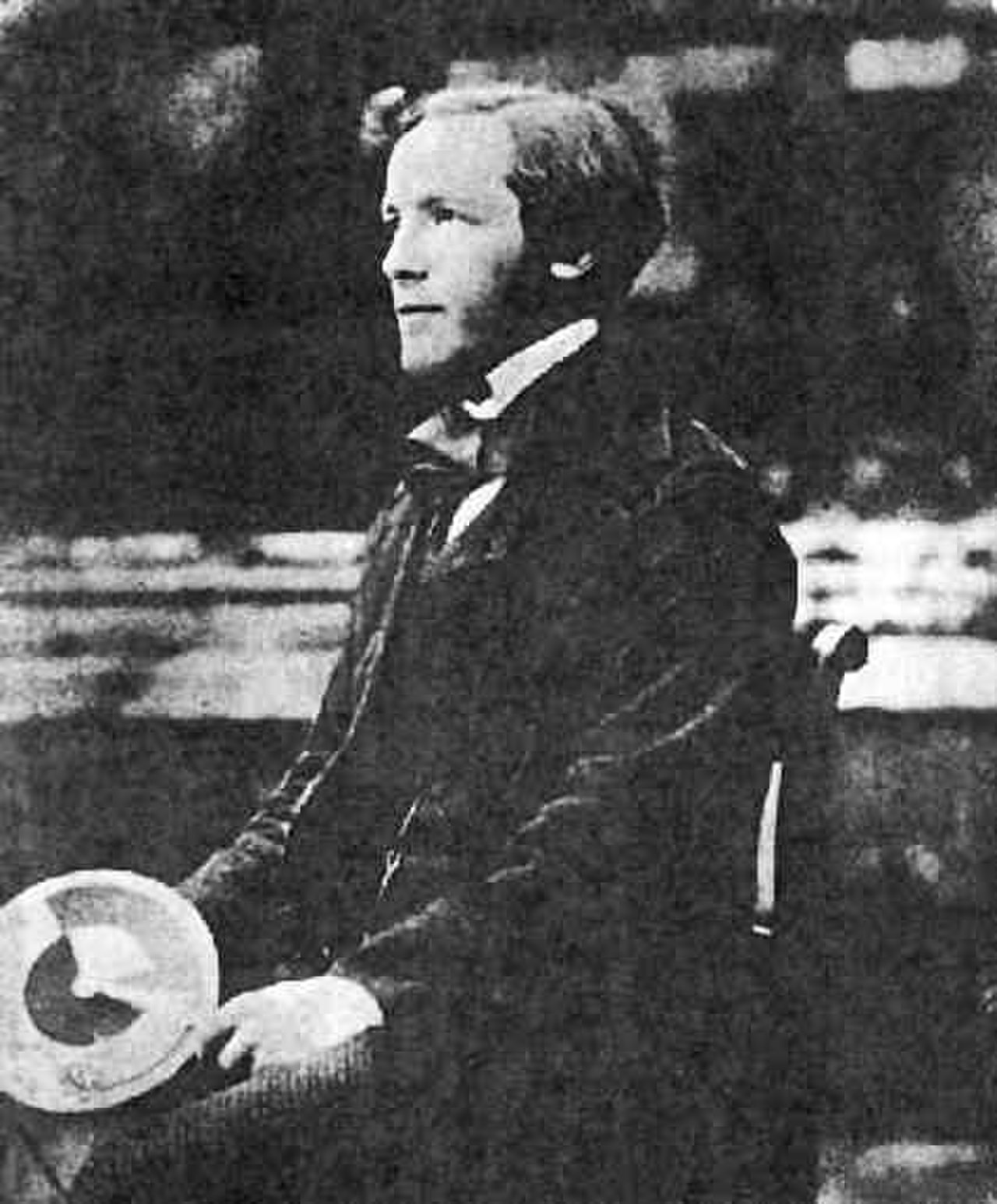
James Clerk Maxwell (born 13 June 1831 in Edinburgh) was a Scottish natural philosopher and mathematician whose work reshaped theoretical physics. Often described as one of the most influential scientists of the 19th century, Maxwell formulated a set of equations that placed electricity, magnetism and optics on a common theoretical footing. Biographical summaries commonly identify him as a Scottish scientist and teacher whose ideas anticipated later developments in modern physics.
Maxwell received his early education in Scotland and pursued further studies in mathematics and natural philosophy at university before holding academic posts in England. He combined mathematical analysis with experimental insight, writing papers that ranged from abstract theory to detailed measurements. Contemporary accounts emphasize his roles as a mathematician and a physicist who bridged disciplines.
Image gallery
10 Images





Major contributions
- Electromagnetism: Maxwell formulated a compact set of relations—now called Maxwell's equations—that describe how electric and magnetic fields are generated and altered by charges and currents and how they propagate as waves. See Maxwell's equations for the foundational concept.
- Electromagnetic waves: From his equations he deduced that changes in electric and magnetic fields travel through space as waves, predicting radio and light as manifestations of the same phenomenon.
- Statistical physics: He introduced statistical methods into the kinetic theory of gases, laying groundwork later extended by Boltzmann.
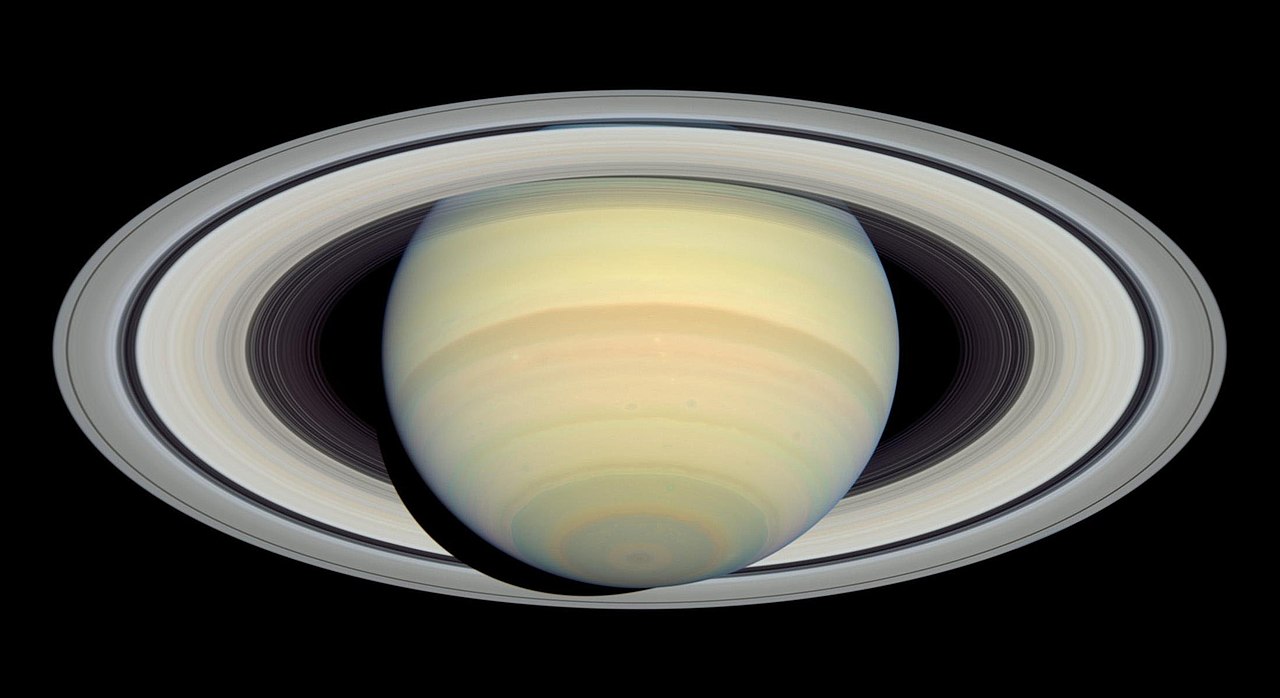
Beyond these central results, Maxwell made important contributions to color vision and photography, producing one of the first durable color images by combining separate color exposures. He also investigated the dynamics and stability of planetary rings, notably applying mathematical analysis to the structure of Saturn's rings.
Maxwell's synthesis of theory and experiment had long-term consequences: his field theory influenced the later development of relativity and the mathematics of modern field theories. He held prestigious academic positions during his career and left a legacy of textbooks and papers that remain core references in physics courses.
Today Maxwell is remembered not only for specific equations but for establishing a framework that unified disparate phenomena and opened the path to twentieth-century physics. For further reading and biographical detail, follow the linked references above.
Questions and answers
Q: Who was James Clerk Maxwell?
A: James Clerk Maxwell was a Scottish mathematician, physicist and discoverer of Maxwell's equations.
Q: When was he born?
A: He was born on 13 June 1831 in Edinburgh.
Q: What did he discover?
A: He discovered Maxwell's equations.
Q: Where did he live?
A: He lived in Edinburgh, Scotland.
Q: When did he die?
A: He died on 5 November 1879.
Q: What nationality was he?
A: He was Scottish.
Q: What field of study did he specialize in? A: He specialized in mathematics and physics.
Related articles
Author
AlegsaOnline.com James Clerk Maxwell: life and scientific contributions Leandro Alegsa
URL: https://en.alegsaonline.com/art/121269