
Jack Guy Lafontant — Haitian physician and former prime minister
Profile of Jack Guy Lafontant (born 4 April 1961), a Haitian physician and politician who served as Prime Minister from March 2017 to September 2018; overview of his career, tenure and legacy.
Jack Guy Lafontant (born 4 April 1961) is a Haitian physician and public figure who entered national politics during a period of economic difficulty and popular unrest. He served as the country’s head of government from 21 March 2017 until 17 September 2018, a term marked by contentious economic measures and mass protests. In summaries and reference material he is described both as a medical professional and as a national political leader: physician, politician, and former Prime Minister of Haiti.
Image gallery
1 Image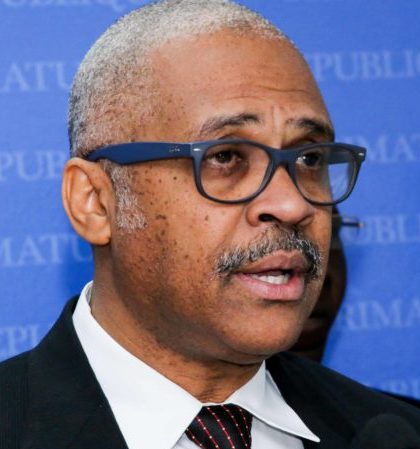
Background and career before government
Trained in medicine, Lafontant spent years working in clinical settings before turning to public life. Like several Haitian leaders with professional careers outside politics, he drew on his medical background when discussing public health and social issues. Public records and contemporary reporting emphasize his transition from private practice and professional associations into advisory roles and eventual nomination for national office.
Nomination and time in office
Lafontant was nominated to lead the cabinet by the president in early 2017 and assumed office after the required political confirmations. His administration took place against a backdrop of persistent economic challenges in Haiti, including a heavy fiscal burden from fuel subsidies, limited public services, and social discontent. The government presented policy measures intended to stabilize public finances, some of which were controversial.
One of the most debated steps during his tenure involved proposed changes to fuel pricing and subsidies. Announcements of subsidy reductions and related price increases triggered large-scale street protests in mid-2018, as many citizens and civil society groups rejected the immediate removal of long-standing price supports. The unrest highlighted the difficulty of balancing fiscal reform with social stability in a nation with constrained resources.
Resignation and political impact
Facing sustained demonstrations and clashes that resulted in casualties and heightened political pressure, Lafontant submitted his resignation to the president. His departure in September 2018 reflected both the intensity of public reaction and the broader challenges of implementing rapid economic adjustment in Haiti. The episode had ripple effects on subsequent governments’ approaches to subsidy reform and public communication.
Assessments of Lafontant’s brief premiership vary. Supporters argued he sought to address structural fiscal problems; critics pointed to poor timing, inadequate consultation, and insufficient measures to protect vulnerable populations. His tenure remains a reference point in discussions about governance, reform sequencing, and crisis management in Haiti.
Key facts
- Born: 4 April 1961.
- Profession: physician by training; entered politics and public service.
- Prime Minister of Haiti: 21 March 2017 – 17 September 2018.
- Notable event: resignation followed widespread protests over fuel subsidy removal.
For contemporary reporting and biographical entries, see press and archival material linked in public resources and profiles that summarize his public service and the context of his premiership.
Related articles
Author
AlegsaOnline.com Jack Guy Lafontant — Haitian physician and former prime minister Leandro Alegsa
URL: https://en.alegsaonline.com/art/121121
Sources
- voanews.com : "Haitian Lawmakers Confirm Lafontant as Prime Minister"
- bbc.com : "Haiti Prime Minister Jack Guy Lafontant resigns"