
Itamar Franco: Brazilian statesman and president (1930–2011)
Overview of Itamar Franco, who served as President of Brazil (1992–1994), his political career, role in economic stabilization, later offices and legacy.
Overview
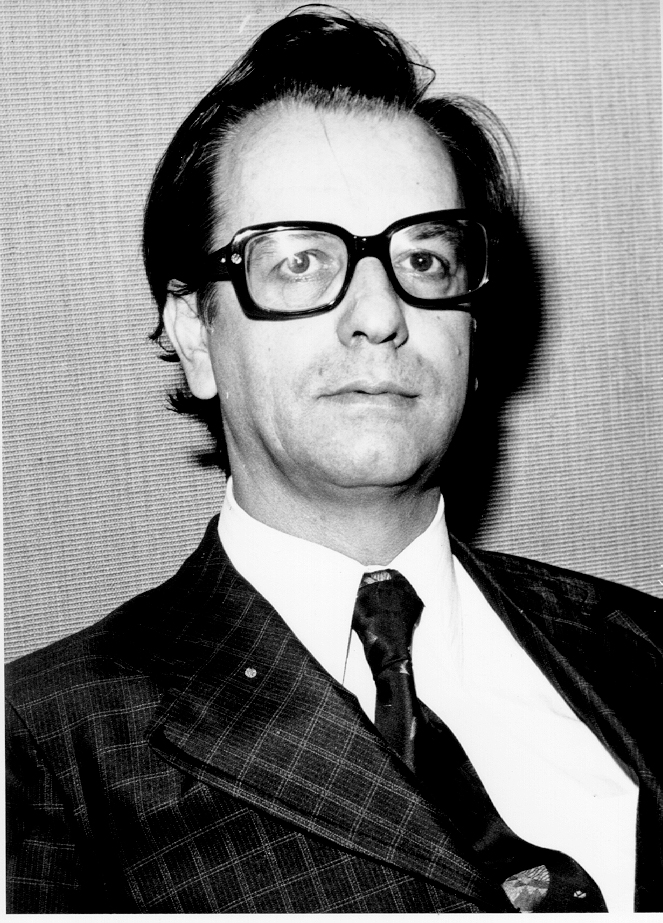
Itamar Augusto Cautiero Franco (June 28, 1930 – July 2, 2011) was a Brazilian politician who served as President of Brazil from December 29, 1992, to December 31, 1994. A native of Minas Gerais, Franco had a long public career that included terms as senator, governor, mayor, ambassador and vice president. Known for a pragmatic style and a reputation for candor, he played a visible role in a turbulent decade for Brazilian politics.
Image gallery
6 Images


Political offices and roles
During his career Franco held multiple posts across federal and state levels. Important positions included:
- Vice President of the Republic, becoming president after his predecessor was removed from office
- Governor and Senator for his home state of Minas Gerais
- Mayor of a major municipal center, national legislator and diplomatic appointments
Presidency and economic context
Franco assumed the presidency at a moment of political crisis. His administration is often remembered for creating political conditions that allowed a program of monetary stabilization to be implemented. While the detailed design and execution of that plan were carried out by economic teams in the period around 1994, Franco's government provided institutional support and appointments that helped carry the effort forward. His presidency emphasized restoring confidence in public institutions and preparing the ground for a peaceful transfer of power.
Later career and public life
After leaving the presidency, Franco remained active in public life. He returned to elected office in subsequent years, including service in the federal senate. He sustained a presence in regional politics in Minas Gerais and continued to comment on national affairs, often appealing to a centrist, conciliatory approach and drawing on his long tenure in multiple branches of government.
Death and legacy
Itamar Franco died on July 2, 2011 at the age of 81. He passed away in a hospital in São Paulo, São Paulo, after suffering medical complications; reports indicated a stroke as a proximate cause (stroke) in the setting of an underlying hematological illness (leukemia). His death prompted reflections on his role as a transitional leader who helped stabilize Brazilian politics during a volatile period.
Notable facts and distinctions
- Franco is remembered for ascending from the vice presidency to the presidency during an impeachment, and for guiding Brazil through a period that led to later economic reforms.
- He served in both federal and state institutions, a trajectory that gave him broad name recognition and influence in Brazilian public life.
- Commentators often note his direct speaking style and willingness to form pragmatic alliances across party lines.
Related articles
Author
AlegsaOnline.com Itamar Franco: Brazilian statesman and president (1930–2011) Leandro Alegsa
URL: https://en.alegsaonline.com/art/121015
Sources
- nytimes.com : "Itamar Franco, Former President of Brazil, Dies at 81"