
Ilya Ilyich Mechnikov: founder of cellular immunity and gerontology
Biographical summary of Ilya Ilyich Mechnikov (1845–1916), his discovery of phagocytosis and macrophages, Nobel Prize 1908, contributions to immunology, gerontology, and public-health ideas.
Overview
Ilya Ilyich Mechnikov (16 May 1845 – 16 July 1916) was a zoologist and immunologist born in Kharkov in the Russian Empire. He is commonly described as Ukrainian-born and worked within the Russian and wider European scientific communities. His mother was Jewish, a detail noted in many biographies. In 1908 he shared the Nobel Prize in Physiology or Medicine with Paul Ehrlich for discoveries that clarified how immunity protects against disease, bringing cellular and humoral perspectives together.
Image gallery
7 Images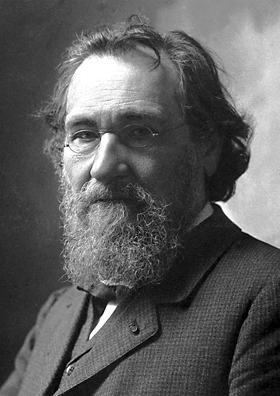




Major discoveries
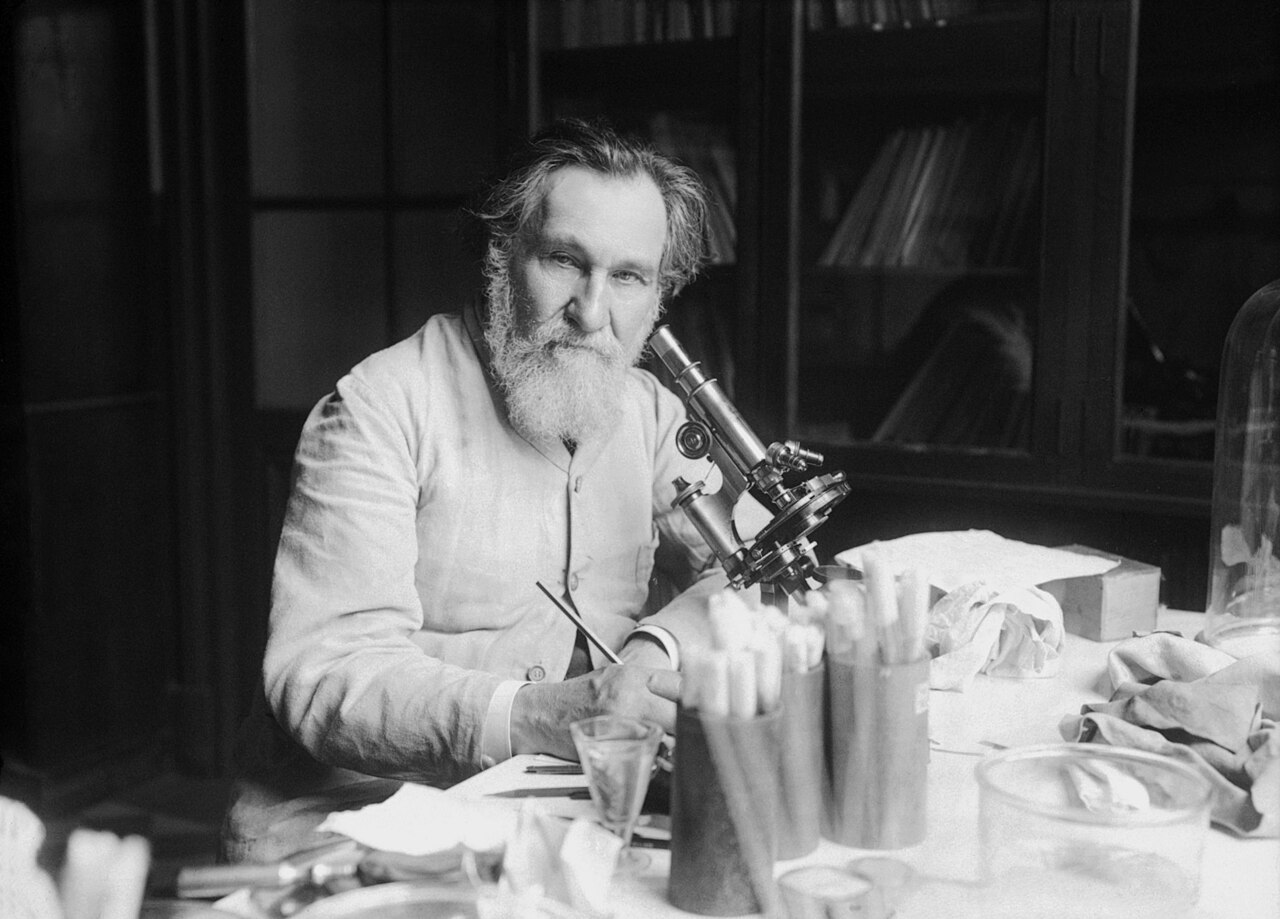
Mechnikov began as a protozoologist and gained international recognition for his observations of phagocytosis in 1882. Working with transparent embryos and larvae, he described cells that engulfed foreign particles; those defensive cells came to be called macrophages. He showed that such cells move by amoeboid movement, patrol tissues, and directly ingest microbes and debris. This work established a cellular mechanism of innate defence that complements antibody-based (humoral) responses.
Theories, gerontology and public-health ideas
Mechnikov coined the term gerontology in the early 20th century to promote scientific study of ageing. He proposed that some aspects of ageing might result from physiological processes and microbial products in the gut; accordingly he advocated dietary measures such as fermented milk to improve health and potentially extend healthy life. These ideas contributed to early research into the microbiome, probiotics and theories of autointoxication, even though later work refined and revised many specifics.
Career, influence and debates
Mechnikov held academic and research posts in Eastern and Western Europe and spent time at major laboratories where he trained students and collaborated across disciplines. His cellular view of immunity was debated in his lifetime—Ehrlich's humoral perspective offered a different model—but the two approaches proved complementary and together shaped modern immunology. Mechnikov's phagocyte concept influenced later studies of inflammation, host defence, tissue repair and immune regulation.
Legacy and notable facts
- Born in what is now Ukraine, Mechnikov is a transnational figure in the history of biology and medicine.
- He shared the 1908 Nobel Prize with Ehrlich, an acknowledgment of cellular and humoral mechanisms as components of immunity.
- His name remains associated with macrophage biology, early probiotic recommendations, and the establishment of gerontology as a scientific field.
Further reading
Introductory accounts of Mechnikov appear in histories of immunology and ageing research; primary sources and modern reviews discuss the development of phagocyte biology and the interaction of cellular and humoral theories. For general background and biographical summaries consult authoritative scientific histories and encyclopedic entries.
Questions and answers
Q: Who was Ilya Ilyich Mechnikov?
A: Ilya Ilyich Mechnikov was a Ukrainian-Russian zoologist of (partly) Jewish descent who discovered macrophages and how immunity fights disease. He also coined the term gerontology.
Q: When was Mechnikov born?
A: Mechnikov was born on May 16, 1845.
Q: Where was Mechnikov born?
A: Mechnikov was born in Kharkov (now Kharkiv), which was part of the Russian Empire at the time and is now in Ukraine.
Q: What did Mechnikov win the Nobel Prize for?
A: Mechnikov won the Nobel Prize in Physiology or Medicine in 1908, together with Paul Ehrlich, for their work on immunity, specifically discovering how it fights disease.
Q: What are macrophages?
A: Macrophages are cells that play a key role in the body's immune response. They are found in virtually all tissues and help to detect and destroy potential pathogens by a process called phagocytosis.
Q: What is gerontology?
A: Gerontology is the study of ageing and longevity, and Mechnikov is credited with coining the term in 1903.
Q: What is Mechnikov's ethnic background?
A: Mechnikov was of (partly) Jewish descent, with his mother being Jewish.
Related articles
Author
AlegsaOnline.com Ilya Ilyich Mechnikov: founder of cellular immunity and gerontology Leandro Alegsa
URL: https://en.alegsaonline.com/art/120896
Sources
- encyclopedia.com : Elie Metchnikoff, www.encyclopedia.com
- onlinelibrary.wiley.com : onlinelibrary.wiley.com/doi/10.1002/dvg.20417/abstract;jsessionid=FFBA7EACD8355574442290A…
- nobelprize.org : "Biography of Ilya Ilyich Mechnikov"
- nobelprize.org : "The Nobel Prize in Physiology or Medicine 1908"