
Imelda Marcos: First Lady, political figure, and cultural symbol
Imelda Marcos is a Filipino public figure known for her role as First Lady, her large shoe collection, political career, and the controversies and legal cases linked to the Marcos era.
Overview
Imelda Remedios Visitacion Romualdez Marcos (born July 2, 1929) is a Filipino public figure who rose to international prominence as First Lady during the presidency of her husband, Ferdinand Marcos. She is the widow of the man who served as the 10th Philippine President. Members of her family remain active in Philippine politics; her son is the incumbent national leader, and her wider family retains a visible public profile after 2022. Imelda is frequently remembered both for her high public profile and for emblematic personal possessions that attracted global attention.
Image gallery
10 Images


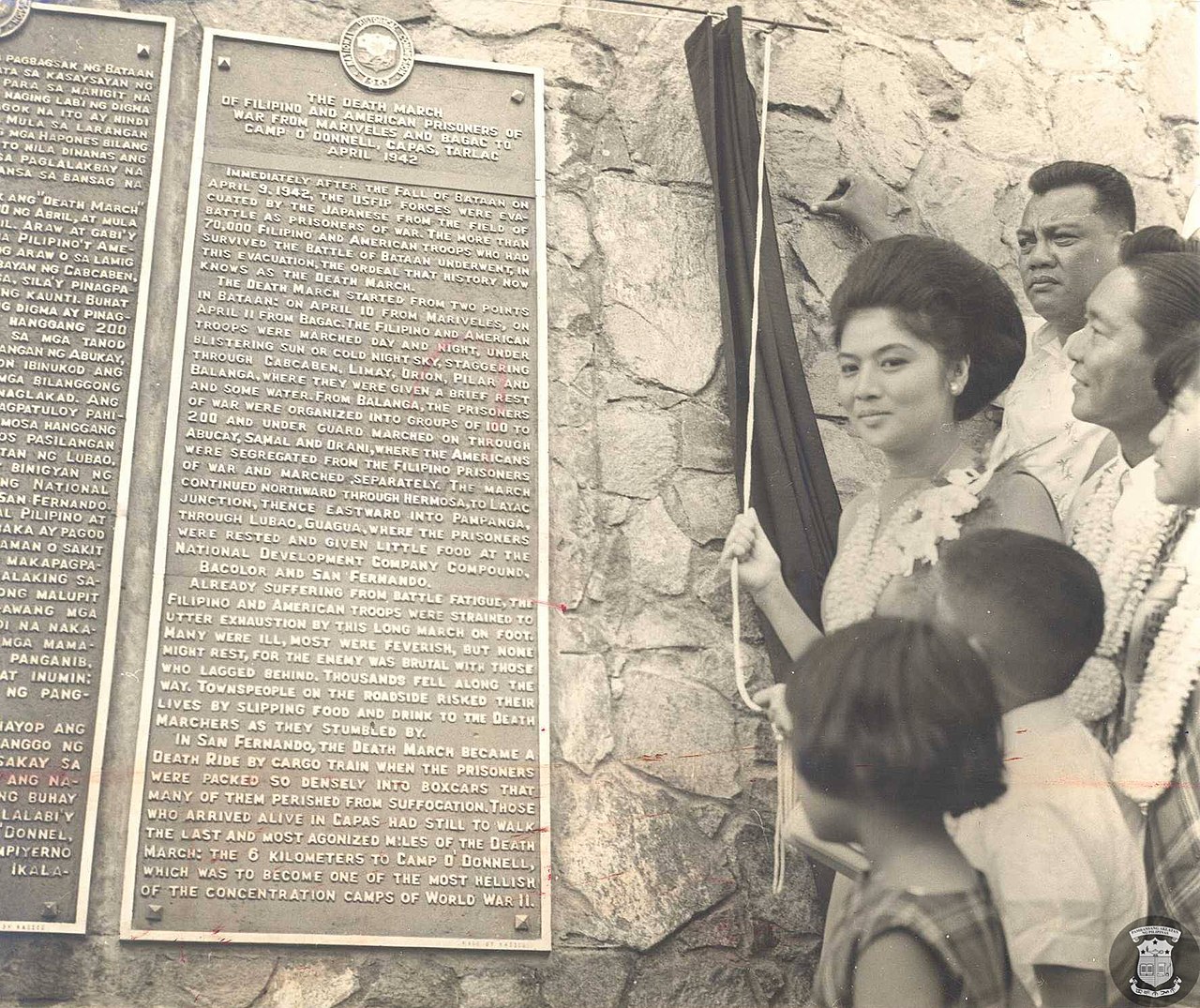


Political roles and public activity
As First Lady she assumed an unusually active public and political presence. She was involved in cultural, social and urban projects and held several government positions by appointment and election. These roles included executive and administrative responsibilities within metropolitan governance and national agencies related to housing and development. Her visibility, outspoken style and involvement in state projects made her one of the most recognizable political figures in the Philippines during and after her husband’s rule.
Image, nicknames and the shoe collection
Imelda Marcos cultivated an image as a glamorous hostess and patron of the arts. Nicknames such as the Steel Butterfly and the Iron Butterfly reflected contrasting views of her charm and perceived political toughness. Her personal possessions — especially an extensive collection of women's shoes — became symbolic of both celebrity and controversy. Reports commonly cite a collection numbering in the thousands; a widely noted figure is 1,060 pairs. Many of her shoes were displayed to the public in a footwear museum she established in Marikina, a city known for shoe production near Manila.
Controversies, legal proceedings and historical context
The Marcos years (the administration of Ferdinand Marcos) are associated with sweeping political changes, including the declaration of martial law in the 1970s and subsequent allegations of human rights abuses, suppression of dissent and large-scale accumulation of wealth by the presidential family. After the family left national office in the mid-1980s, legal and administrative efforts to recover assets and to resolve criminal and civil claims continued for decades. In 2018 Imelda Marcos faced a high-profile graft conviction in a case that had been pending for many years; that decision and other rulings produced further appeals and legal actions. Discussions of accountability, restitution and historical memory remain central to how scholars and citizens evaluate that period.
Legacy and notable facts
- Cultural influence: She is remembered as a patron of cultural projects, a fashion figure and a public hostess whose style attracted intense media attention.
- Political career: Beyond the role of First Lady, she held public offices and returned intermittently to elected politics after the family’s return.
- Controversy and law: Her life is intertwined with long-running legal processes concerning alleged corruption and asset recovery.
- Public memory: Views of Imelda Marcos are sharply divided; some emphasize philanthropy and nation-building projects, while others focus on excess, accountability and the costs of authoritarian rule.
For further reading or specific archival sources, consult materials on Philippine political history and reputable biographical treatments; primary court documents and contemporary reporting provide detailed chronologies of legal cases, and museums and cultural records document aspects of her public life and collections. Additional contemporary coverage and primary resources are available through general reference portals and national archives (see overview) and specialized legal repositories (legal records). Other context and commentary may be found in biographical studies (biography), historical surveys (history) and multimedia collections (archives). For a sense of the family's later political return, consult reporting on the 2022 national election (2022) and regional profiles including Marikina's footwear tradition (Marikina). Additional perspectives and analyses are available through curated academic and journalistic sources (analysis), cultural studies (culture) and legal databases (law).
Questions and answers
Q: Who is Imelda Marcos?
A: Imelda Marcos is a Filipino government person and widow of 10th Philippine President Ferdinand Marcos.
Q: What are Imelda Marcos' nicknames?
A: Imelda Marcos' nicknames are "Steel Butterfly" and "Iron Butterfly."
Q: Who is the current President of the Philippines and what is his relationship to Imelda Marcos?
A: The current President of the Philippines is Bongbong Marcos and he is Imelda Marcos' son.
Q: Why is Imelda Marcos remembered?
A: Imelda Marcos is remembered both for her husband's presidential time, and because of her collection of 1,060 pairs of shoes.
Q: What is the Marikina City Footwear Museum and who founded it?
A: The Marikina City Footwear Museum is a museum that includes hundreds of Imelda Marcos' own shoes. Imelda Marcos founded it in the shoe-making district of Manila.
Q: What happened to Imelda Marcos in a court proceeding that lasted twenty-seven years?
A: On 9 November 2018, Imelda Marcos was convicted and sentenced to 77 years in prison on corruption charges.
Q: What was Imelda Marcos convicted of?
A: Imelda Marcos was convicted of corruption charges.
Related articles
Author
AlegsaOnline.com Imelda Marcos: First Lady, political figure, and cultural symbol Leandro Alegsa
URL: https://en.alegsaonline.com/art/120901
Sources
- villagevoice.com : "Imelda Marcus Gets the Ol' Song and Dance at Julia Miles Theater"
- time.com : "Investigations: Imeldarabilia: A Final Count"
- news.bbc.co.uk : BBC News: Homage to Imelda's shoes
- bbc.com : "Imelda Marcos faces Philippines arrest after guilty verdict"