
Paul Ehrlich (1854–1915) — pioneer of immunology and chemotherapy
German physician and researcher who helped found modern immunology, developed staining methods, introduced the first effective syphilis treatment (Salvarsan) and shared the 1908 Nobel Prize.
Overview
Paul Ehrlich (14 March 1854 – 20 August 1915) was a German physician and scientist whose work connected bacteriology, chemistry and clinical practice. He is best known for shared recognition with Ilya Mechnikov in the 1908 Nobel Prize in Physiology or Medicine for complementary contributions to the understanding of immunity. Working at the turn of the 20th century, Ehrlich established laboratory standards and techniques that made biological research more quantitative and reproducible.
Image gallery
10 Images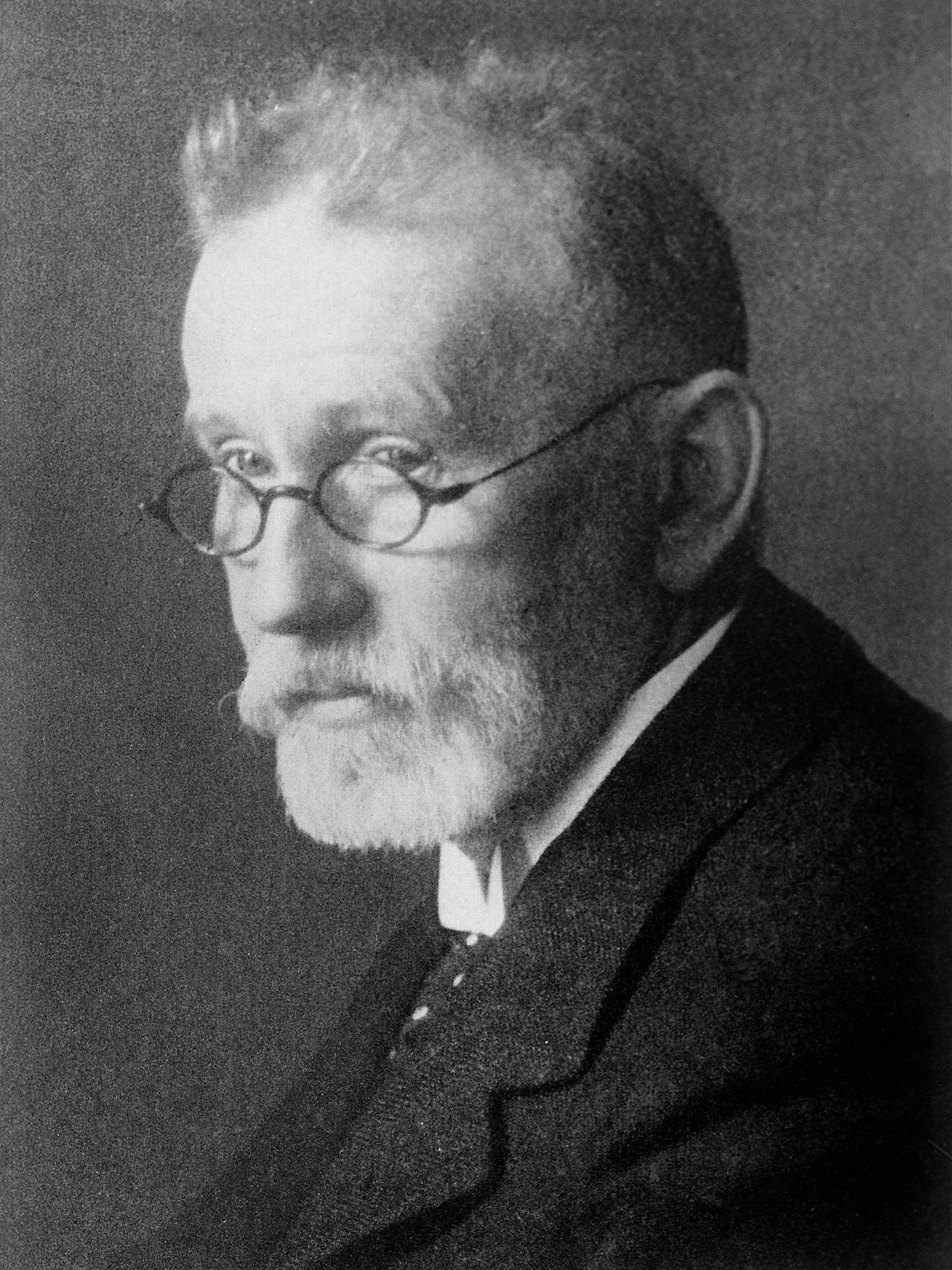


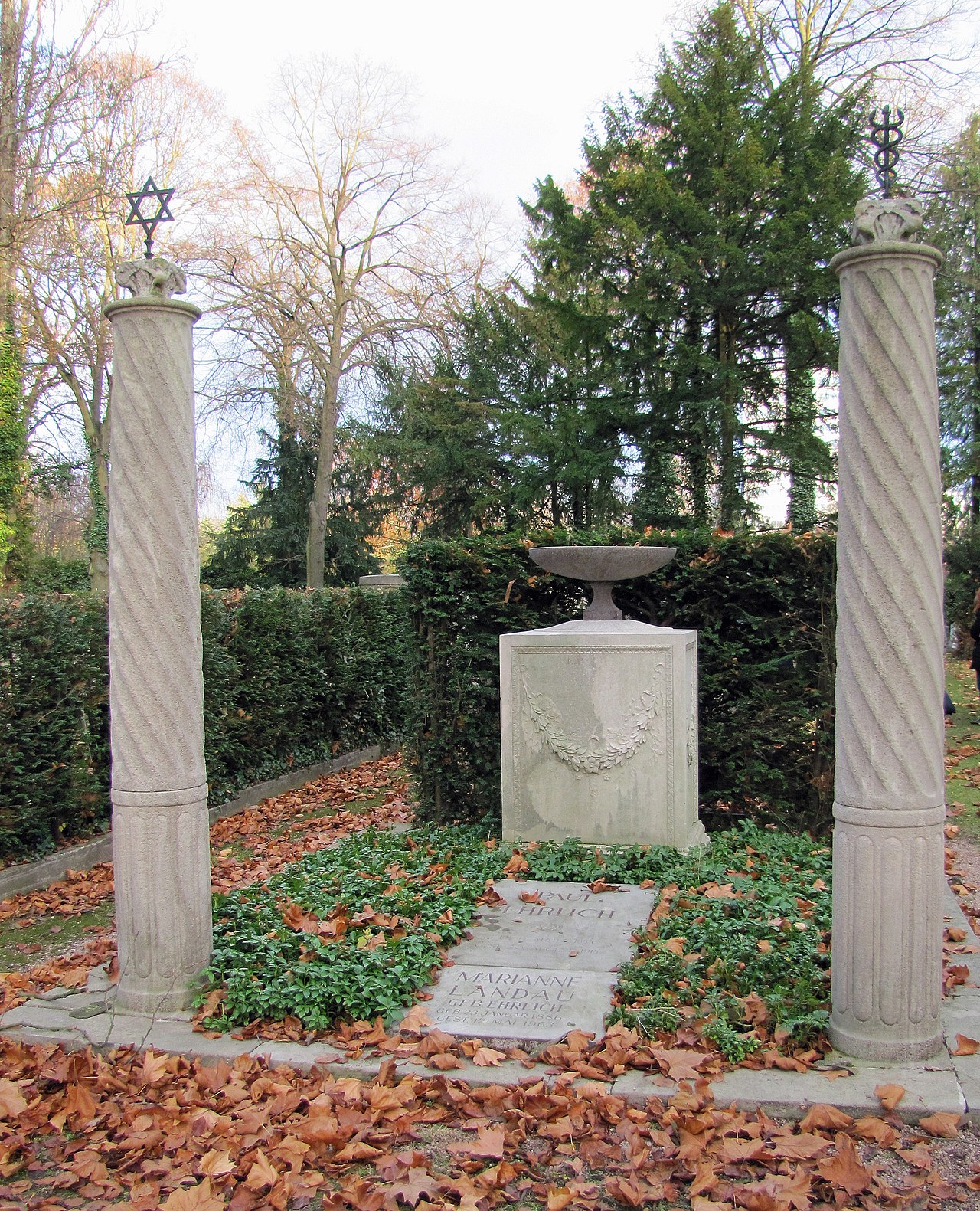
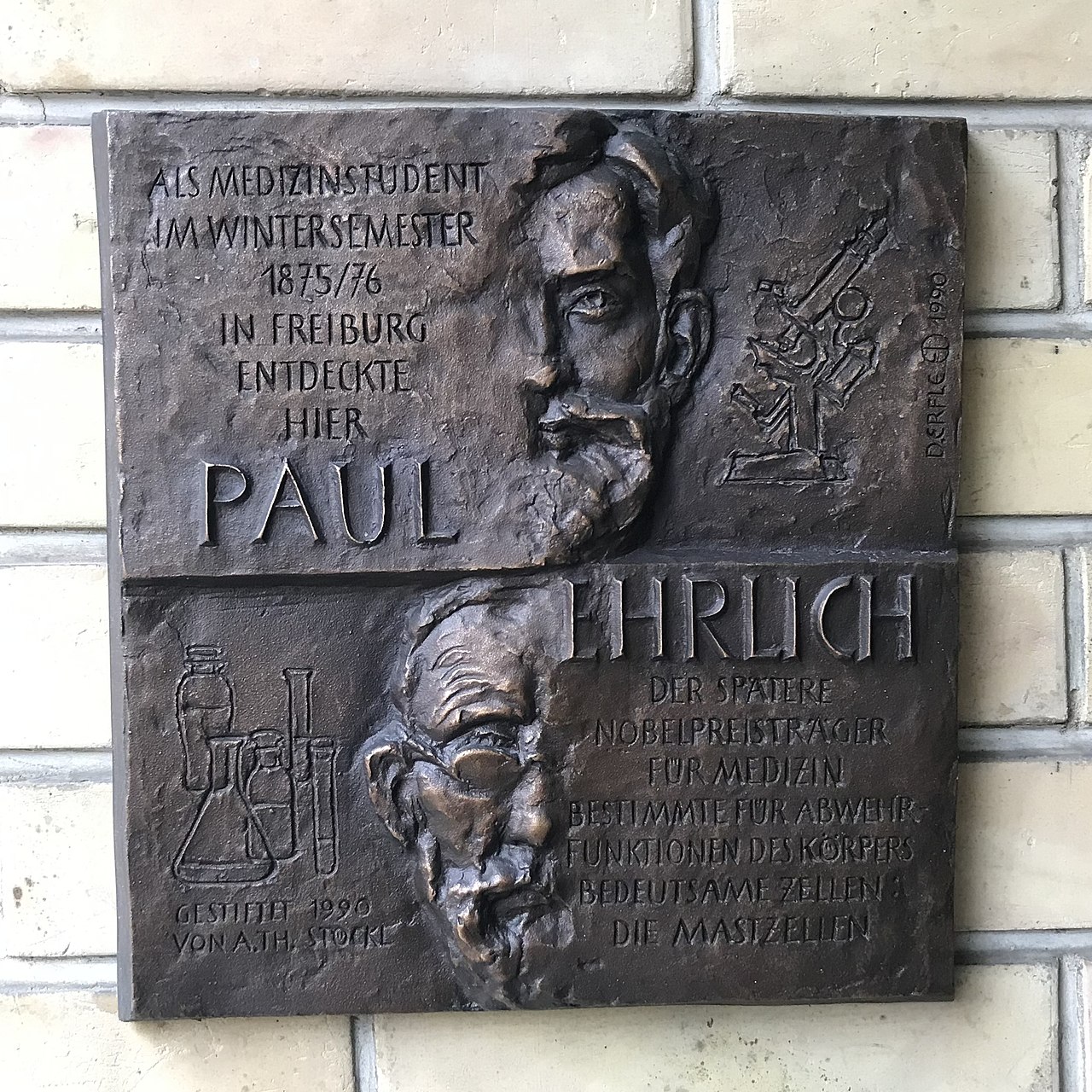


Major contributions
Ehrlich led a productive research program that combined staining chemistry, experimental hematology and pharmacology. His laboratory developed systematic staining methods that clarified cell types and microbial forms, and he applied chemical screening to seek drugs that selectively affected pathogens without intolerable harm to the patient.
- Early chemotherapy: Ehrlich's team discovered the arsenical compound marketed as Salvarsan, the first reliably effective treatment for syphilis. Salvarsan was an organo-arsenic derivative and represented a practical demonstration of his “magic bullet” idea: selectively targeting disease agents with chemicals.
- Protozoal and parasitic research: He investigated trypanosomiasis and other protozoal diseases, testing synthetic dyes such as trypan red for anti-parasitic activity and developing experimental models to evaluate candidates.
- Staining and microscopy: Ehrlich created a coherent approach to cellular staining (Ehrlich staining), cataloguing and standardizing methods that complemented older techniques such as Gram staining. These methods improved the diagnosis of infections and the study of tissue structure.
- Hematology: He devised procedures to distinguish among white blood cell types and described the morphology and function of mast cells, cells later recognised as important in allergy and inflammation.
- Antimicrobial observations: Ehrlich showed that dyes like methylene blue could impair the growth of the malaria parasite (Plasmodium) and reduce the associated fever, advancing the concept that chemical agents could have targeted biological effects.
Theory, methods and standardization
Beyond individual discoveries, Ehrlich contributed theoretical ideas and methodological advances. He proposed early concepts about how antibodies and receptors might interact, helping to frame questions that later immunologists would pursue. He also played a practical role in the development of antitoxins: participating in work on an antiserum for diphtheria and devising approaches for standardizing therapeutic serums, which improved reproducibility and safety in clinical use.
Legacy and influence
Ehrlich's interdisciplinary approach—combining chemical synthesis, systematic screening and quantitative assays—anticipated modern pharmacology, antimicrobial chemotherapy and laboratory medicine. The phrase "magic bullet," associated with his search for selective therapies, remains a useful metaphor for targeted treatment strategies such as modern antimicrobial agents and targeted biologic drugs. Institutions, awards and research programs acknowledge his role in establishing laboratory standards and translating laboratory findings into clinical practice.
Significance and context
Working during a period of rapid scientific change, Ehrlich exemplified the shift from artisanal therapeutics to regulated, evidence‑based medicine. While many early treatments have been replaced by safer and more effective agents, his insistence on methodical testing, controls and standardisation continues to be a cornerstone of biomedical research and clinical trials. His contributions span practical techniques, influential hypotheses and an enduring model for translational science.
Questions and answers
Q: Who was Paul Ehrlich?
A: Paul Ehrlich was a German doctor of Jewish descent who won the 1908 Nobel Prize in Physiology or Medicine, with Ilya Mechnikov, for finding out how immunity fights disease.
Q: What did he invent?
A: He invented a staining system for bacteria (before Gram staining), trypan red which was effective against trypanosomes, and methylene blue which could put the malarial parasite Plasmodium into recession.
Q: What treatment did he discover for syphilis?
A: He discovered the first treatment for syphilis which worked - a compound of arsenic which went by the trade name of Salvarsan.
Q: What other diseases did he study?
A: He studied trypanosomiasis and other protozoal diseases.
Q: What contribution did he make to an antiserum against diphtheria?
A: He made a decisive contribution to an antiserum against diphtheria, and developed a method for standardizing therapeutic serums.
Q: How did his co-worker win a Nobel Prize?
A: His co-worker won a sole Nobel Prize for their joint work on diphtheria.
Author
AlegsaOnline.com Paul Ehrlich (1854–1915) — pioneer of immunology and chemotherapy Leandro Alegsa
URL: https://en.alegsaonline.com/art/128258