
Henry Stuart, Lord Darnley (1545–1567)
Second cousin and husband of Mary, Queen of Scots, Henry Stuart, Lord Darnley, was king consort of Scotland whose violent death shaped the succession and politics of Scotland and England.
Overview
Henry Stuart, commonly known as Lord Darnley, was a Scottish nobleman who became the husband and king consort of Mary, Queen of Scots. Born into the powerful Stewart/Lennox family, he held a dynastic claim that linked him to both the Scottish and English royal lines. Darnley’s brief and turbulent public life, and his murder in 1567, had wide-reaching political consequences for the reign of Mary and for the future union of the Scottish and English crowns. His story is entwined with the religious and factional conflicts of mid-16th-century Scotland.
Image gallery
8 Images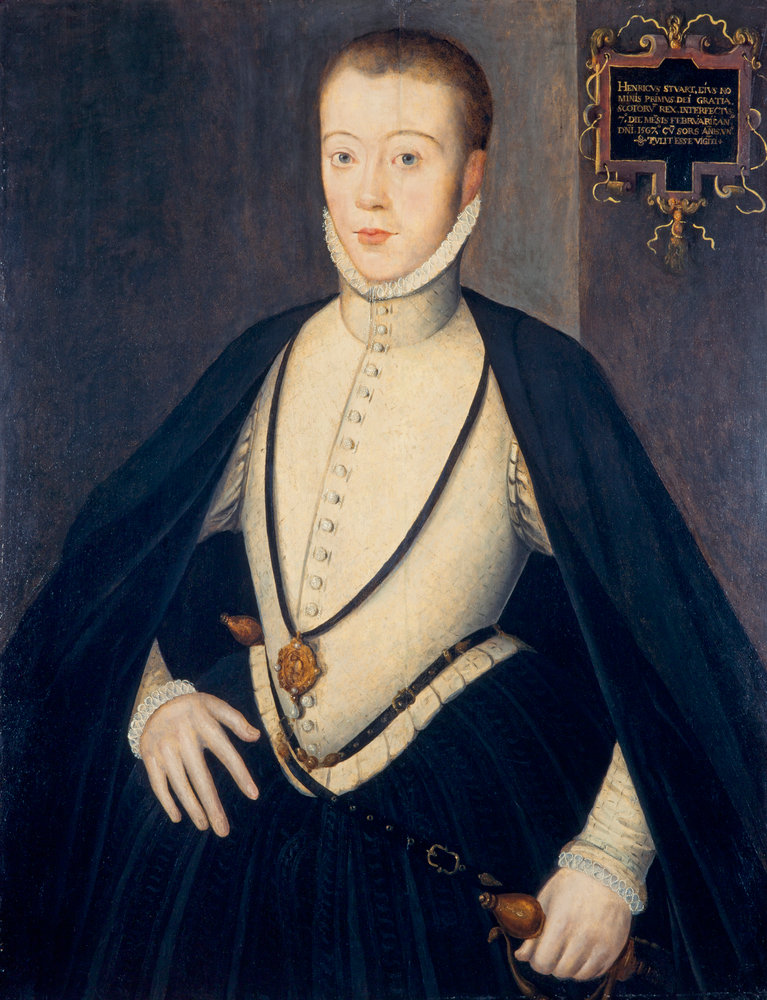


Family background and early life
Henry was the son of Matthew Stewart, 4th Earl of Lennox, and Margaret Douglas. Through his mother he descended from Margaret Tudor, sister of King Henry VIII of England; this connection gave Henry a notable claim to the English succession and made him a figure of interest in both Scottish and English politics. Margaret Tudor herself had been the widow of King James IV of Scotland and later an important dynastic link; more on the Tudor line can be found via sources on Margaret Tudor. Contemporary accounts place Henry's birth in the mid-1540s; exact details of his upbringing and education reflect the status and ambitions of his family in the shifting alliances of the time.
Marriage to Mary and role as consort
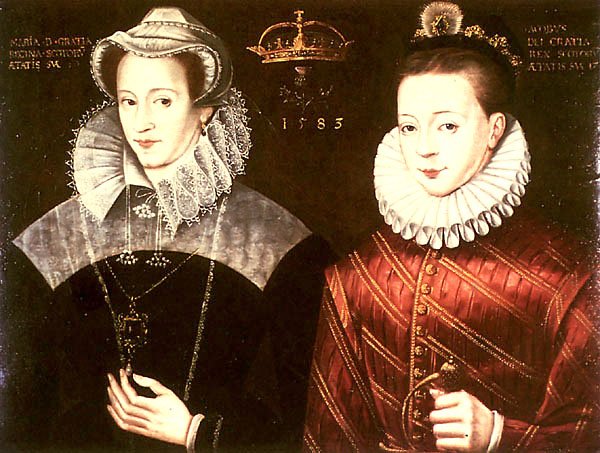
In 1565 Henry married Mary, Queen of Scots, then a young widow returned from France. The union combined competing claims within the island kingdoms and initially seemed to strengthen Mary's position by producing a royal heir. Mary styled him as her husband and he was invested with titles and honours; at times he was called Duke of Albany and, before then, styled Lord Darnley. The marriage, however, was strained by personal incompatibility, court rivalries, and conflicting political agendas between Catholic and Protestant factions. The couple's only surviving child, born in 1566, later became King of Scotland and, after 1603, King of England.
Murder at Kirk o' Field and immediate aftermath
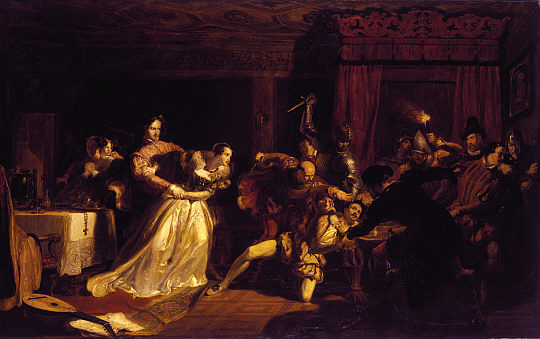
In February 1567 Darnley died under violent and controversial circumstances after an explosion damaged the lodging where he had been staying at Kirk o' Field in Edinburgh. His body was found outdoors, apparently having been killed by strangulation or other violence following the blast. The circumstances of his death provoked immediate suspicion and scandal. Many contemporaries and later historians have examined the roles of prominent nobles, including James Hepburn, Earl of Bothwell, who was widely suspected of involvement and who soon after married Mary. The episode prompted public outrage, inquiries, and political manoeuvres that culminated in Mary's forced abdication the following year.
Legacy and historical significance
Though Darnley’s life was short, its consequences were profound. He fathered James, who became King James VI of Scotland and later acceded to the English throne as James I, uniting the crowns of Scotland and England. The scandal surrounding Darnley’s death undermined confidence in Mary’s rule, contributing to her imprisonment and eventual execution in England decades later. Debates about responsibility for the murder continue among historians: some emphasize factional plotting at the Scottish court, others point to the chaotic interplay of religion, ambition and marriage politics.
Notable facts and distinguishing points
- Commonly referred to simply as Lord Darnley, though he held additional titles during his life.
- Through his mother he had a link to the English Tudor line, which affected succession politics across both kingdoms.
- His son, James VI, ultimately unified the crowns of Scotland and England, changing the course of British history.
- The circumstances of his death at Kirk o' Field remain a focus of historical inquiry and popular interest.
For further reading about the reign of Mary, Queen of Scots and the complex politics of the period, consult resources on Mary, Queen of Scots and broader histories of mid-16th-century Britain. Additional archival and scholarly materials can be found through specialized collections and biographies that explore the families and factions involved in Darnley’s life and death.
Questions and answers
Q: Who was Henry Stewart or Stuart?
A: Henry Stewart or Stuart, also called Lord Darnley, was the Duke of Albany and king consort of Scotland from 1565 until his murder in 1567.
Q: Who were Darnley's parents?
A: Darnley was the second son of Matthew Stewart, 4th Earl of Lennox, and his wife, Lady Margaret Douglas.
Q: Who were Darnley's maternal grandparents?
A: Darnley's maternal grandparents were Archibald Douglas, 6th Earl of Angus, and Margaret Tudor, widow of James IV of Scotland.
Q: Who was Darnley's wife?
A: Darnley's wife was Mary, Queen of Scots.
Q: Who was Darnley's son?
A: Darnley was the father of James VI of Scotland, who later became James I of England.
Q: How did Darnley die?
A: Darnley was found dead outdoors, dressed for bed, after an explosion near his bedroom.
Q: Did people suspect Queen Mary of arranging Darnley's murder?
A: Yes, many people thought that Queen Mary had arranged Darnley's murder.
Related articles
Author
AlegsaOnline.com Henry Stuart, Lord Darnley (1545–1567) Leandro Alegsa
URL: https://en.alegsaonline.com/art/120564
Sources
- oxforddnb.com : accessed 4 March 2012