
Henry Hobson Richardson — American Architect and Progenitor of Richardsonian Romanesque
Henry Hobson Richardson (1838–1886) was an influential American architect who developed the Richardsonian Romanesque style and designed landmark buildings in many U.S. cities.
Overview
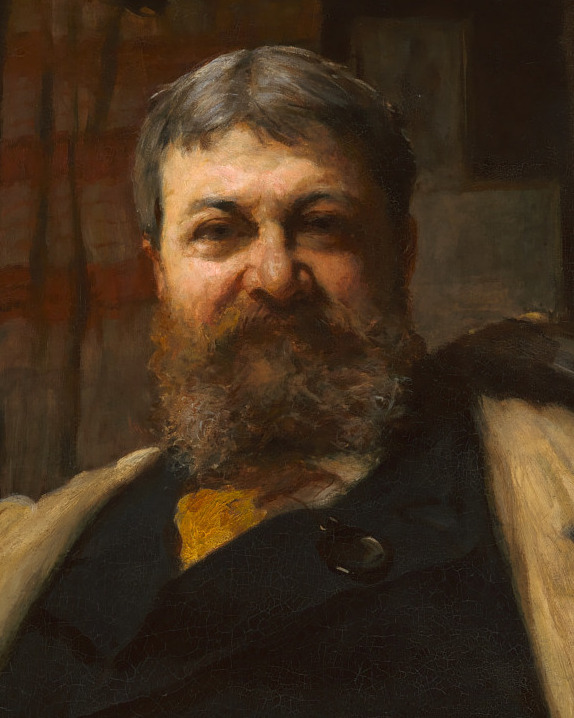
Henry Hobson Richardson (September 29, 1838 – April 27, 1886) was an American architect whose work helped define late 19th-century public and civic building design in the United States. His name is attached to Richardsonian Romanesque, a robust, masonry-based interpretation of Romanesque revival forms. Richardson worked across the country and left a visible legacy in both large cities and smaller communities.
Image gallery
10 Images




Style and characteristics
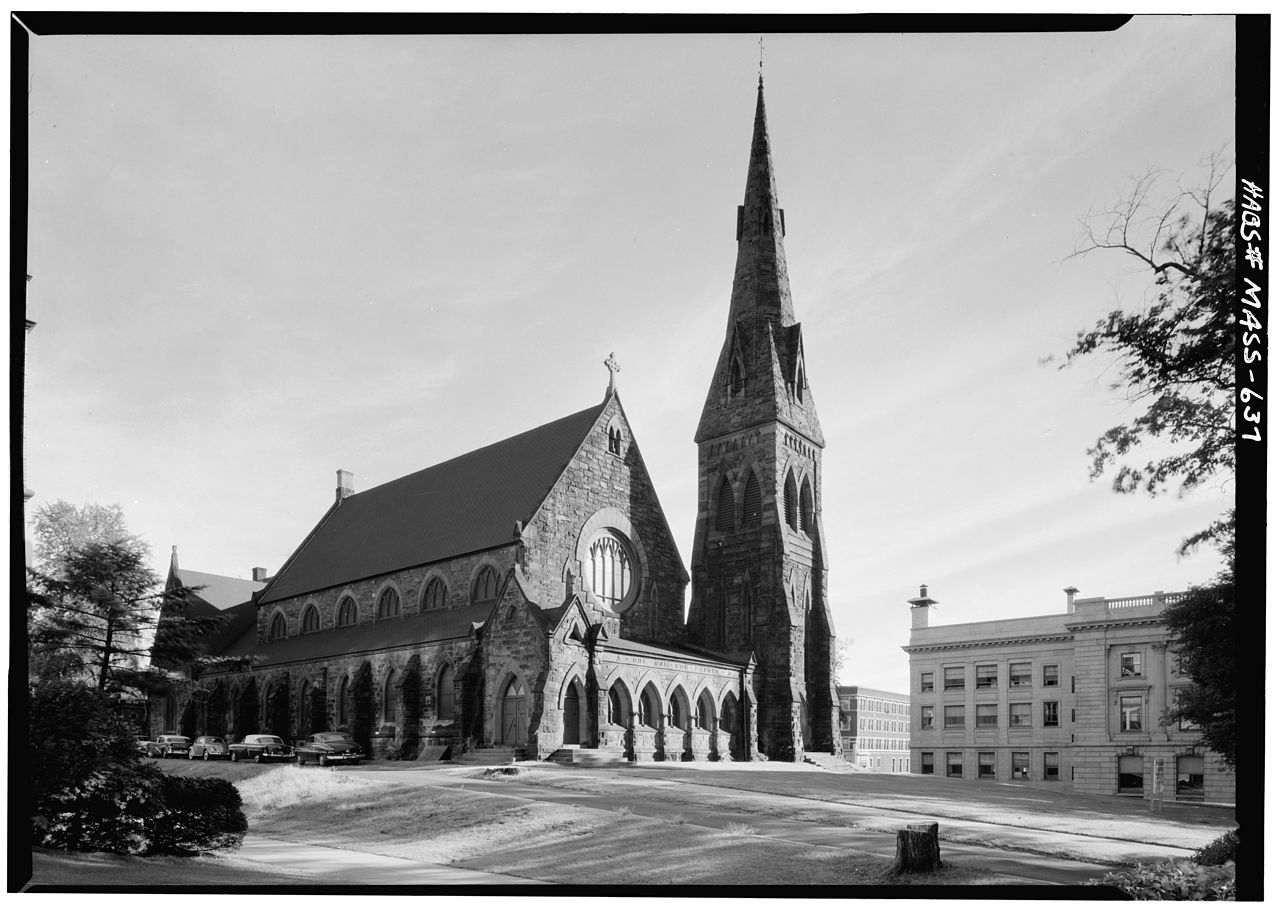
Richardsonian Romanesque is characterized by heavy, rusticated stone walls, broad semicircular arches, deeply recessed windows, and a deliberate massing that emphasizes solidity over ornament. Towers, asymmetrical facades, and simple carved decoration are common. Richardson emphasized clear, bold forms and proportions, often subordinating intricate detail to an overall monumental effect.
Major works and commissions
Richardson designed churches, libraries, courthouses, and private residences. Some of his best-known projects include Trinity Church in Boston and large civic commissions in cities such as Albany, Boston, Buffalo, Chicago, Pittsburgh, and Milwaukee. Notable surviving works demonstrate his use of rough-cut stone, dramatic arches, and powerful silhouettes.
Career and development
Trained and practiced in the mid-1800s, Richardson developed a personal vocabulary that blended medieval European precedents with contemporary American needs. He ran a prominent practice and influenced the way public architecture was conceived in a rapidly industrializing nation. After his death, his office was continued by successors who helped spread his approach to smaller commissions and institutional buildings.
Influence and legacy
Richardson is often mentioned alongside other formative figures in American architecture. He is cited with Louis Sullivan and Frank Lloyd Wright as one of the architects who shaped a distinct American tradition. His work influenced later architects and gave rise to firms that carried elements of his style into the 20th century. The name "Richardsonian" remains a useful label for buildings that display his characteristic massing and materiality.
Distinctive facts
- Richardson's designs favored monumental, fortress-like qualities rather than delicate ornamentation.
- He brought a consistent design language to diverse building types, from churches to libraries to private homes.
- Contemporary and later practitioners studied his work to learn how to adapt historic models to modern American programs, a process that influenced institutional architecture for decades.
For introductions and deeper studies of Richardson's work, readers can consult specialized architectural histories and catalogues that document surviving buildings and drawings. His buildings remain studied examples of how material, form, and proportion can convey civic presence.
Further reading and archives can provide detailed lists of commissions, plans, and photographic records for those investigating Richardson's projects and his continuing impact on American built heritage.
Related articles
Author
AlegsaOnline.com Henry Hobson Richardson — American Architect and Progenitor of Richardsonian Romanesque Leandro Alegsa
URL: https://en.alegsaonline.com/art/120533