
Hasan ibn Ali: Grandson of Muhammad and Early Islamic Leader
Hasan ibn Ali (c. 625–670 CE) was the grandson of the Prophet Muhammad, the son of Ali and Fatimah, briefly caliph after Ali, and the second Imam in Shia tradition. His life shaped early Sunni–Shia relations.
Hasan ibn Ali (commonly dated c. 625–670 CE) was a grandson of the Prophet Muhammad and an important figure in early Islamic history. Born in Medina to Ali ibn Abi Talib and Fatimah, he is revered across Muslim communities for his descent from the Prophet and for his role in the turbulent politics of the first Islamic generations.
Image gallery
10 Images


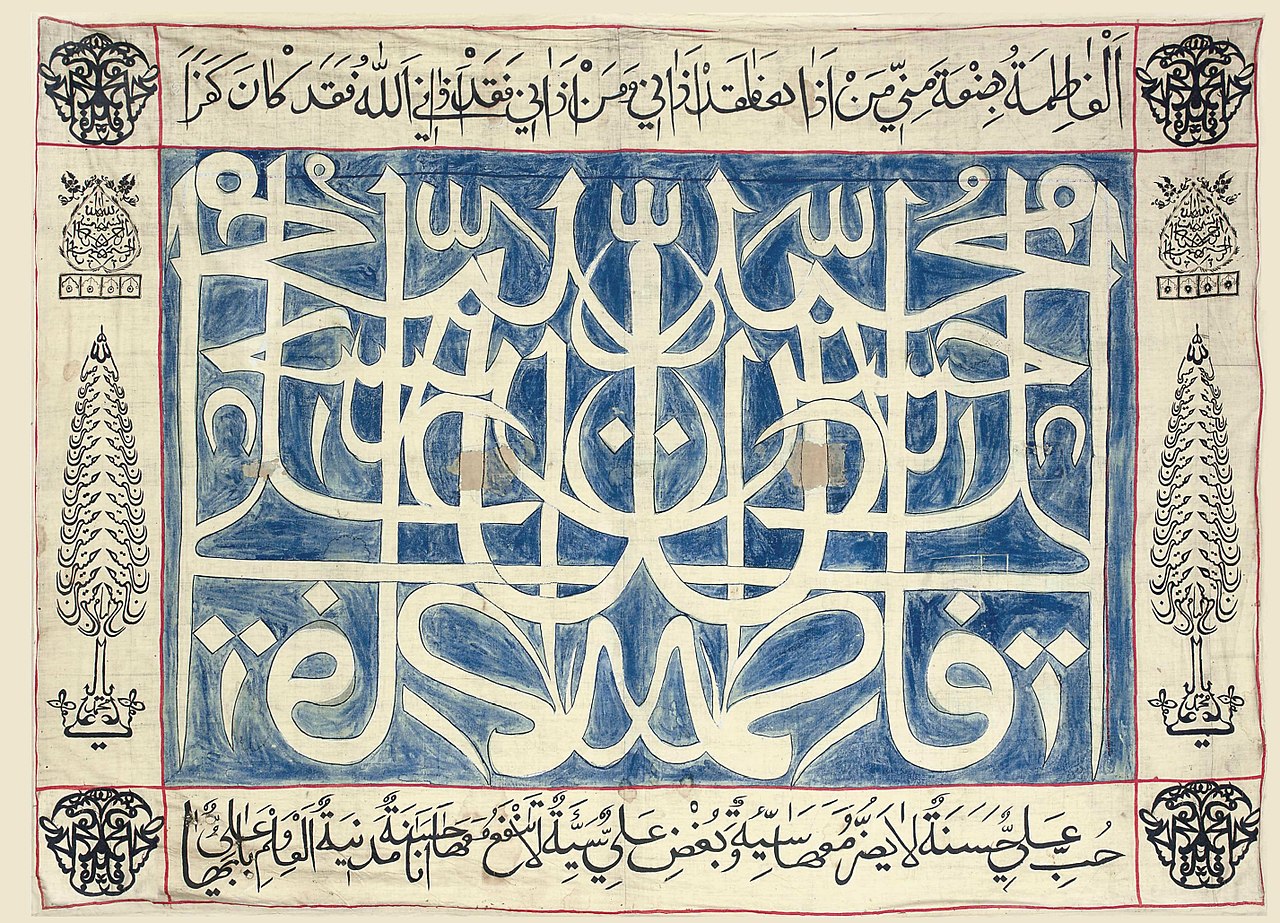


Life and political role
After the assassination of his father Ali in 661 CE, Hasan was recognized by many as caliph. His tenure was brief and marked by pressure from rival factions. To prevent further bloodshed among Muslims, Hasan agreed to a negotiated settlement ceding authority to Muawiya ibn Abi Sufyan under terms that aimed to preserve the safety of his supporters and the welfare of the community. He then retired from active politics and returned to a more private life in Medina.
Religious significance
In Shia Islam Hasan is venerated as the second Imam, a spiritual and moral exemplar whose decisions are interpreted as protecting the community and preserving legitimate leadership. Sunni traditions also respect him as a companion of the Prophet, a transmitter of hadith, and a person of piety and charity. His character and conduct are often cited in discussions of reconciliation and restraint.
Death, family and legacy
Hasan spent his later years in Medina, where he taught and took part in religious life. He fathered children who continued the family line; among them is Hasan al-Muthanna. Classical accounts place his death in 670 CE and his burial in the cemetery of al-Baqi in Medina. Some historical reports suggest foul play, but details remain debated among historians and traditional sources.
Notable facts
- Epithets: often called al-Mujtaba (the chosen) or simply Hasan.
- Role in reconciliation: his treaty with Muawiya is a key early precedent for prioritizing communal unity.
- Religious memory: central to Shia identity and respected in Sunni biographical literature.
For a concise introduction and further references, see more on Hasan ibn Ali. His life continues to be studied for its impact on leadership, sectarian development, and models of political resignation in Islam.
Related articles
Author
AlegsaOnline.com Hasan ibn Ali: Grandson of Muhammad and Early Islamic Leader Leandro Alegsa
URL: https://en.alegsaonline.com/art/120397
Sources
- al-islam.org : Shaykh Mufid. Kitab Al Irshad. p.279-289
- al-shia.com : "al-shia.com"