
Ali Akbar Hashemi Rafsanjani: Iranian statesman and political figure
A concise overview of Ali Akbar Hashemi Rafsanjani (1934–2017), his political rise, presidency, influence on post-revolution Iran, controversies, and legacy.
Ali Akbar Hashemi Rafsanjani (Persian: اکبر هاشمی رفسنجانی) was a central and often controversial figure in the Islamic Republic of Iran. Active from the revolution of 1979 until his death in 2017, he served in several senior roles and was widely regarded as a pragmatic conservative who favored economic reconstruction and a more flexible foreign policy than some of his contemporaries. He is commonly described as a key architect of Iran's post-war recovery and an influential operator inside the country's political institutions.
Image gallery
10 Images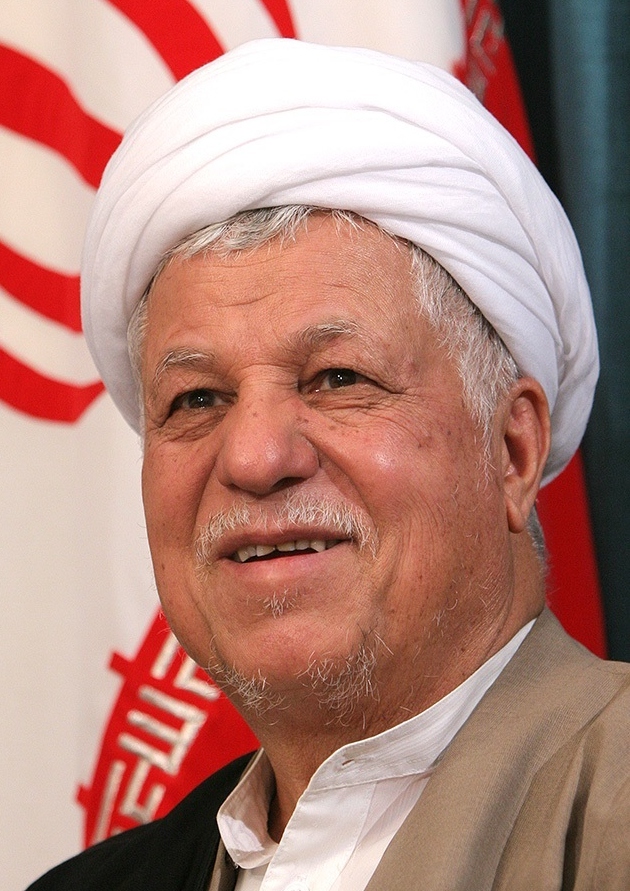





Roles and defining positions
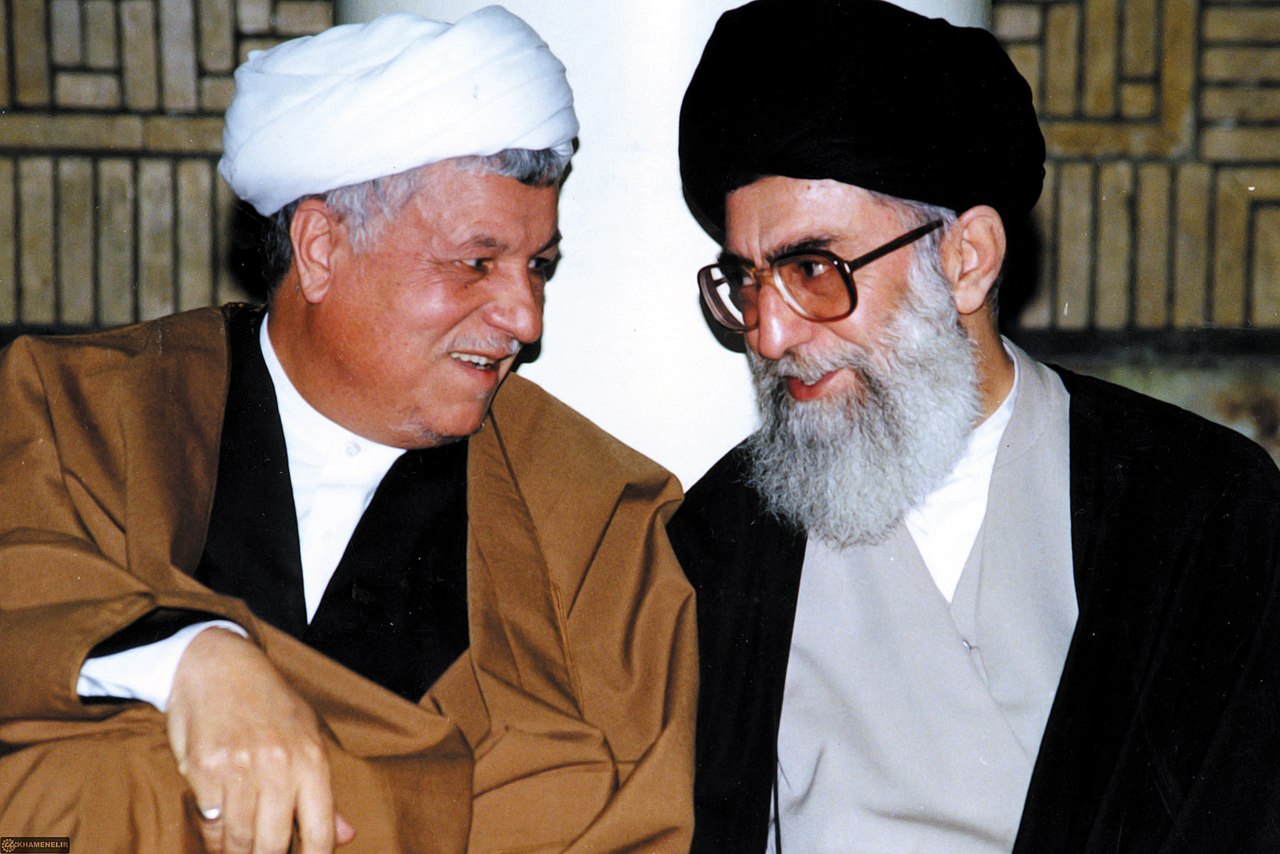
Rafsanjani held multiple senior offices across decades. He was the President of Iran (President of Iran) from 1989 to 1997, and after leaving the presidency he remained an important power broker, notably as Chairman of the Expediency Discernment Council (Expediency Discernment Council) from 1989 until his death. His long career also included senior membership in other revolutionary-era bodies and enduring influence within Iran's political elite. Observers commonly refer to him simply as a prominent politician with a pragmatic approach to governance.
Presidency and policy orientation
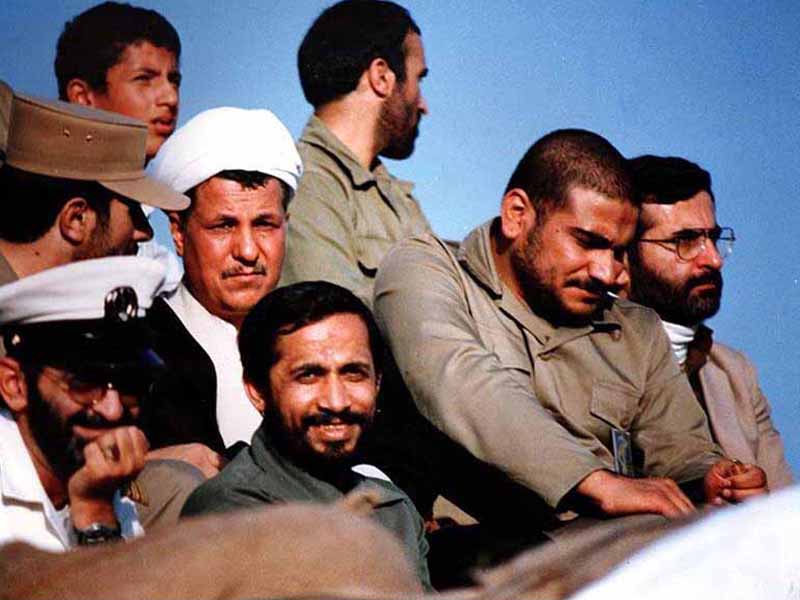
As president, Rafsanjani emphasized reconstruction after the Iran–Iraq War, economic stabilization, and limited market reforms intended to revive industry and infrastructure. He sought to attract investment, rebuild damaged regions, and normalize certain foreign and commercial ties while operating within the Islamic Republic's ideological framework. Domestically he pushed for privatization of state assets and encouraged technocratic management of the economy, though critics argued that reforms sometimes benefited well-connected interests.
Post-presidential influence and later contests
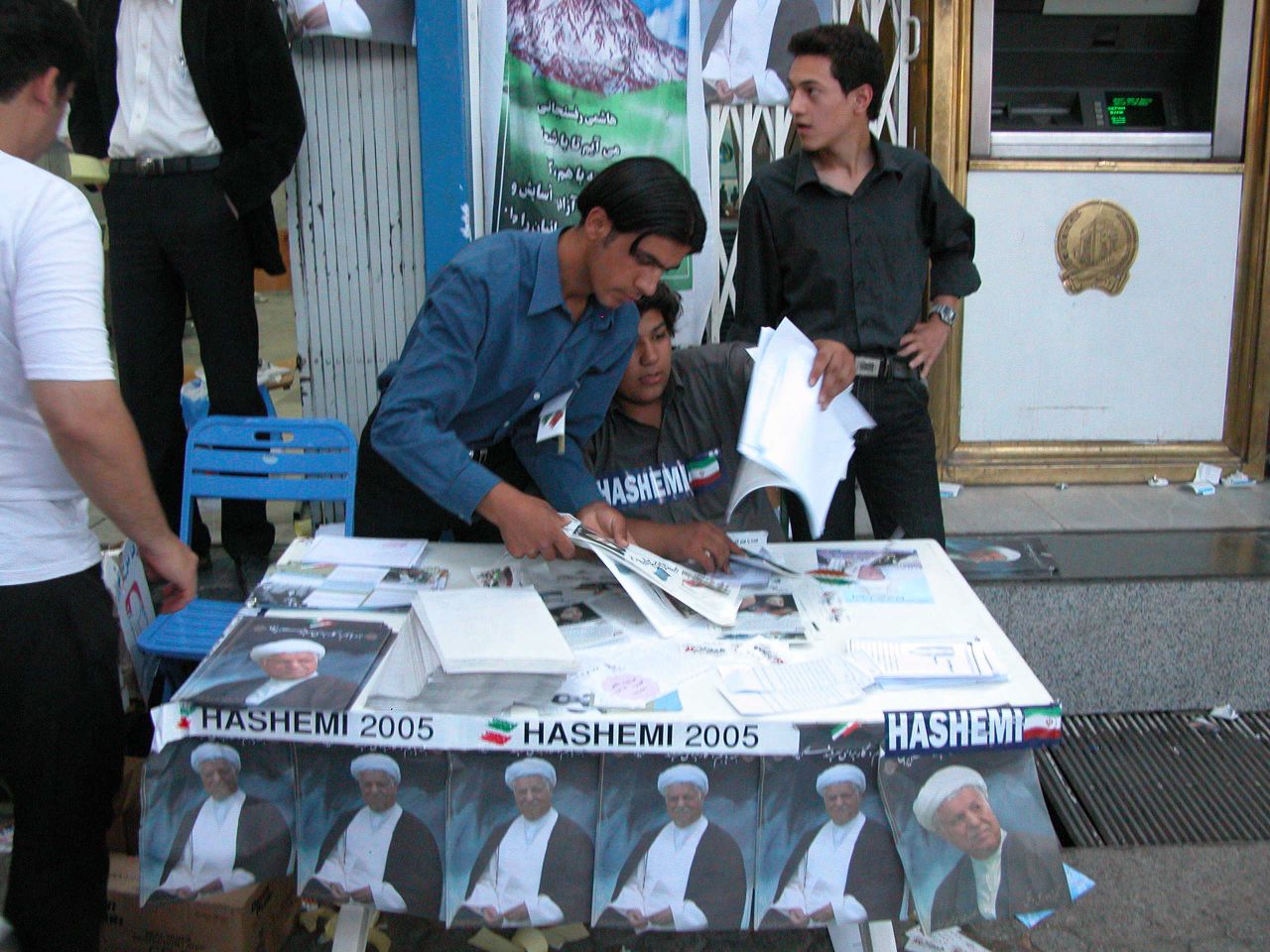
After leaving the presidency Rafsanjani remained a key political actor, sometimes at odds with hardline factions. He ran again in 2005 but was defeated in the runoff by Mahmoud Ahmadinejad, and in the years that followed he publicly criticized some policies of Ahmadinejad's administration, particularly on economic management and foreign relations. His role as head of the Expediency Council allowed him to mediate institutional disputes and to shape policy debates without holding the presidency.
Controversies, wealth and public perception
Rafsanjani's personal and family finances drew sustained public attention. International media outlets noted that he and his associated businesses accumulated substantial assets, a fact that fueled criticism and nicknames domestically. For example, Forbes included him in global lists concerning wealth, and opponents accused him of using political influence to advance private interests. Allegations of corruption touched members of his family; reports in various sources mentioned that a son faced bribery accusations, though supporters viewed many such charges as politically motivated.
Legacy and death
Rafsanjani died in Tehran on January 8, 2017; official reports attributed his death to a heart condition (Tehran). His legacy is mixed and debated: supporters credit him with economic reconstruction, pragmatic governance and institutional mediation, while critics emphasize his accumulation of economic power and the opaque ties between politics and business that developed under his watch. For further background on his life and the institutions he led, readers can consult biographical and institutional sources linked here: biographical overview, electoral history, and Persian-language materials.
- Key facts: born 1934, president 1989–1997, chairman of the Expediency Council 1989–2017.
- Reputation: pragmatic conservative and influential behind-the-scenes operator.
- Notable debates: privatization and privatized gains vs. public benefit; domestic moderation vs. hardline conservatism.
- Further reading: institutional records and contemporaneous reporting provide differing assessments of his impact and motives (Expediency Council, presidential archives).
Questions and answers
Q: Who was Ali Akbar Hashemi Rafsanjani?
A: Ali Akbar Hashemi Rafsanjani was an influential Iranian politician. He served as the Chairman of the Expediency Discernment Council of Iran from 1989 until his death in 2017 and was President of Iran from 1989 to 1997.
Q: What nickname did he have?
A: He had the infamous nickname of "Akbar Shah" in Iran.
Q: What happened when he ran for a third term in office?
A: When he ran for a third term in office, he lost on the second ballot to Mahmoud Ahmadinejad in the 2005 election.
Q: How did President Ahmadinejad comment on Rafsanjani's policies?
A: President Ahmadinejad commented on both the foreign policies and privatization policies of Rafsanjani's administration, noting that they lead to sanctions against Iran in 1995 and 1996 and failed to make a difference between privatization and self takeover of government-owned companies respectively.
Q: What has been accused one of his sons?
A: One of his sons has been accused of receiving a bribe.
Q: Will his son be put on trial?
A: Analysts expect that his son will not be put on trial, however.
Q: When did Ali Akbar Hashemi Rafsanjani die?
A: Ali Akbar Hashemi Rafsanjani died on January 8, 2017 in Tehran from a heart attack, aged 82.
Related articles
Author
AlegsaOnline.com Ali Akbar Hashemi Rafsanjani: Iranian statesman and political figure Leandro Alegsa
URL: https://en.alegsaonline.com/art/120399
Sources
- forbes.com : "Millionaire Mullahs - Forbes.com"
- spiegel.de : "Future of the Middle East: The Last Chance for Reformers in Iran"
- tik.ir : tik.ir
- rajanews.com : rajanews.com/News?6881_html=
- rajanews.com : rajanews.com/News?5081_html=
- nytimes.com : "Ali Akbar Hashemi-Rafsanjani, Former President of Iran, Dies at 82"