
Harpo Marx: the silent comedian and harpist of the Marx Brothers
Harpo Marx (born Adolph/Arthur Marx) was the mute stage persona and harp-playing member of the Marx Brothers, known for pantomime, prop comedy, and a distinctive wig and horn gags.
Overview
Harpo Marx was the stage name of Adolph (later Arthur) Marx, a central figure of the American comedy team the Marx Brothers. Born on November 23 and often listed with the year 1888, he became famous for creating a mute, mischievous persona who communicated without spoken dialogue. He died on September 28 in the year sometimes given as 1964. The contrast between his offstage life and his onstage silence is a notable part of his legacy.
Image gallery
10 Images




Stage persona and comic style
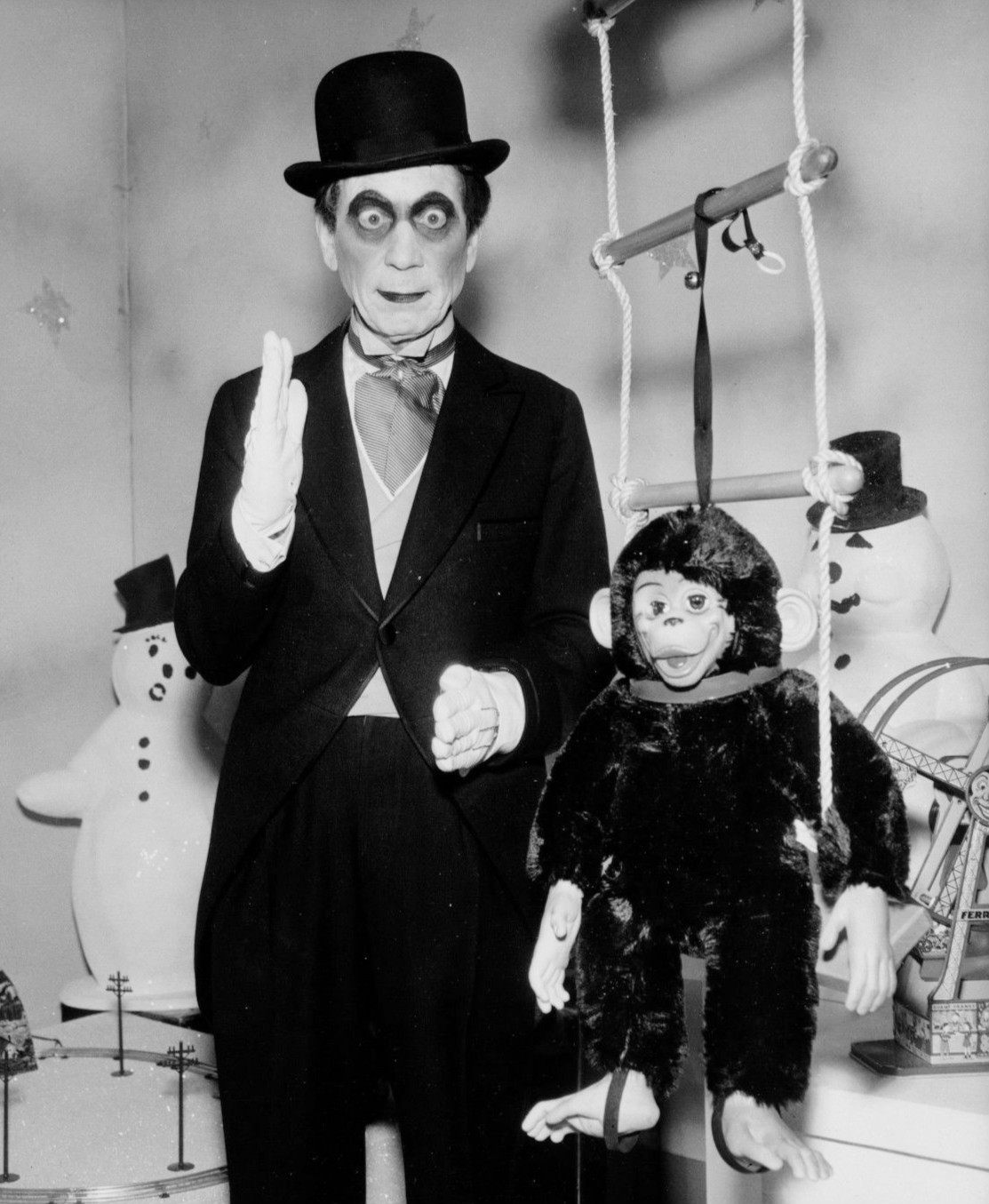
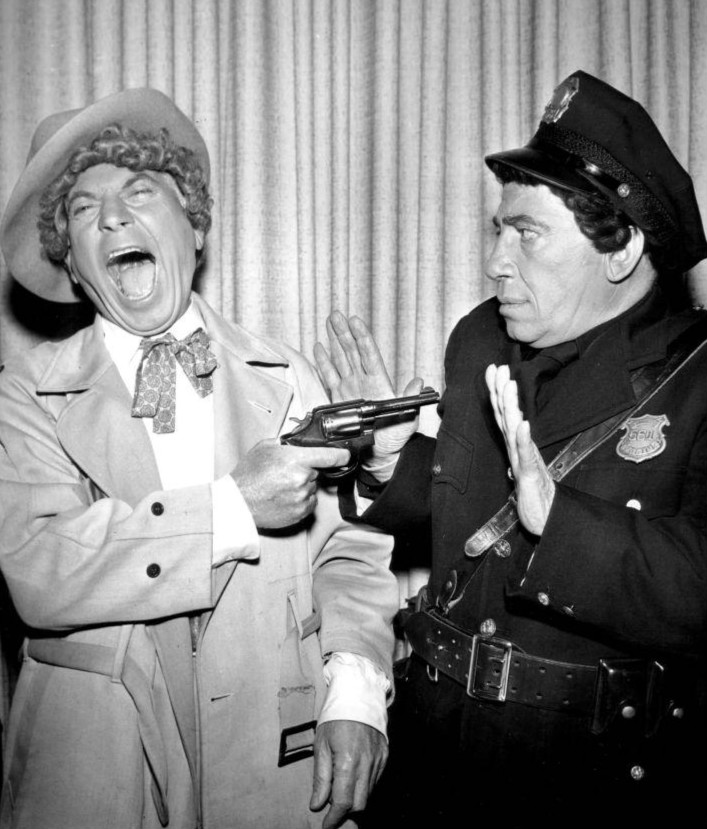
Harpo performed almost entirely without speech, relying on pantomime, facial expression, physical gags, and a set of signature props. He frequently used a hand bulb horn and other sound devices such as horns and whistles to punctuate action. His comedy combined vaudeville timing, sight gags, and a childlike curiosity that made him both anarchic and endearing.
Musical skill and the harp
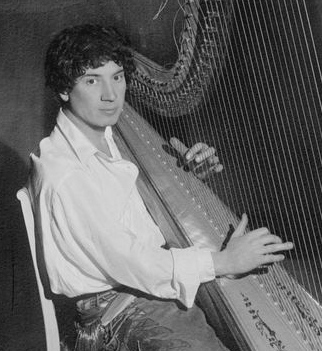
Aside from physical comedy, Harpo was an accomplished musician. He taught himself to play the harp and incorporated harp solos into stage and film performances. These musical interludes offered a softer counterpoint to the visual chaos of the sketches and became one of his most distinctive contributions to the group's routines.
Career and legacy
Harpo appeared in stage shows, vaudeville, and the Marx Brothers' films, where his silent character provided a recognizable foil to his brothers' talkative roles. His image — including a distinctive wig and costume choices that reinforced his oddball appearance — is widely remembered; references to his distinctive wig often accompany discussions of his look. He also left a written account of his life in an autobiography that offers insight into his creative process and personal history.
Notable traits
- Silent performance: rarely spoke while performing, using mime instead.
- Props and sound effects: frequent use of horns, whistles, and other devices.
- Musicianship: self-taught harpist who played in films and on stage.
- Iconic image: a playful, often childlike persona with a memorable costume.
Harpo Marx remains a touchstone of early 20th-century American comedy: an artist who blended physical humor and genuine musical talent to create a character both simple and surprisingly complex, and whose work continues to be studied and enjoyed by fans of classic comedy.
Related articles
Author
AlegsaOnline.com Harpo Marx: the silent comedian and harpist of the Marx Brothers Leandro Alegsa
URL: https://en.alegsaonline.com/art/120346