
Harriet Lane Johnston (1830–1903): Acting First Lady and Philanthropist
Harriet Lane, niece of President James Buchanan, served as the White House hostess from 1857–1861. She influenced fashion, social diplomacy, and later supported children's medical care through philanthropy.
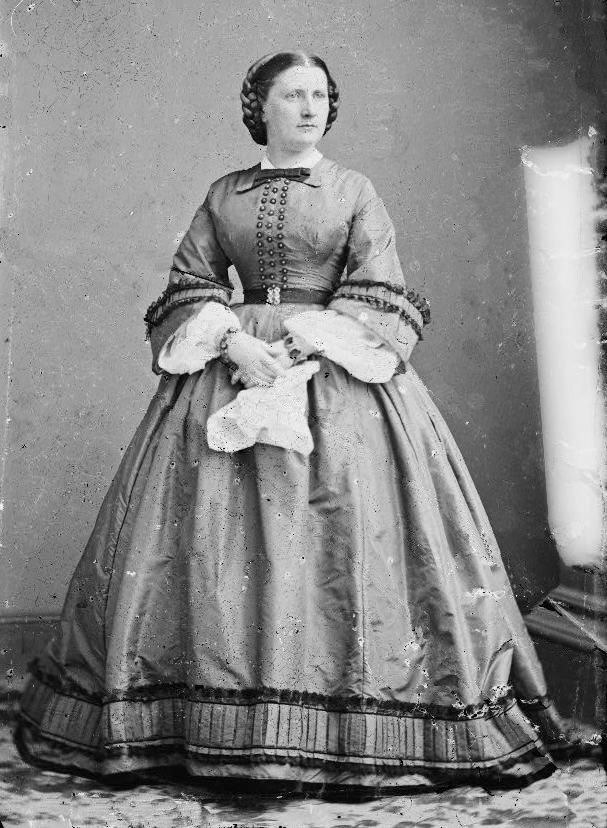
Harriet Rebecca Lane Johnston (May 9, 1830 – July 3, 1903) was the niece and official hostess for her uncle, President James Buchanan, during his administration. Because Buchanan was a lifelong bachelor, Lane fulfilled the public duties customarily carried out by a president's wife and is widely remembered as the acting First Lady of the United States from 1857 to 1861. Her role combined social leadership, public ceremony, and informal diplomacy at a turbulent moment in American history.
Image gallery
3 Images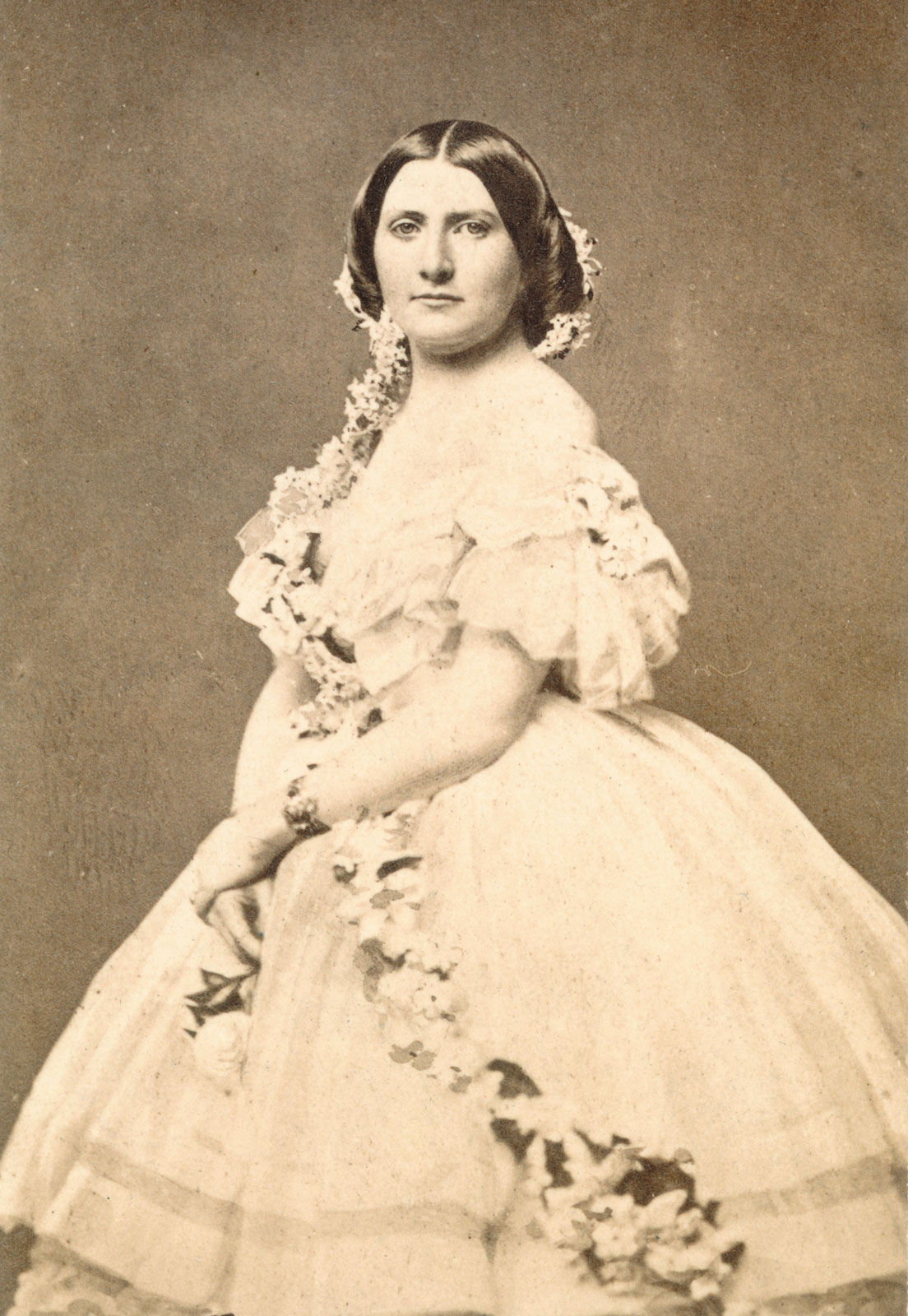

Role and public life
As White House hostess Lane organized state dinners, introduced new entertainments and fashions to Washington society, and used hospitality as a conduit for political and cultural influence. Contemporary observers noted her elegance and attention to protocol, which helped set standards for succeeding presidential households. Her public visibility made her a widely recognized figure beyond Washington and a model for the evolving expectations of women who served as national hostesses.
Background and household
Lane came to live in the Buchanan household as a young woman and performed duties that blurred family and public service. Living at the presidential residence placed her at the center of social life, where she met foreign visitors, government officials and members of the diplomatic corps. Her upbringing under Buchanan's guardianship shaped her education in the manners and responsibilities expected of a national hostess.
Later life and philanthropy
After leaving the White House she remained a prominent social figure and later married Henry Johnston. In her later years she became notable for charitable activity, particularly in support of children's medical care and institutions. Her name is associated with philanthropic efforts that aimed to improve pediatric treatment and hospital facilities, reflecting a lasting interest in child welfare and public health.
Legacy and notable facts
- She was one of the few women to act as First Lady without being married to the president, a distinction rooted in Buchanan's bachelor status and her position in his household.
- Lane influenced White House entertaining and social customs; her tastes in fashion and décor attracted public attention and helped shape Washington society.
- Her philanthropic legacy preserved her public reputation after her death and linked her name to improvements in children's care.
For readers wanting more context about the president under whom she served, see resources about James Buchanan and the Buchanan administration. Lane occupies a distinct place in American social and political history as an intermediary between private familial duty and the public responsibilities of the presidential household.
Questions and answers
Q: Who was Harriet Lane?
A: Harriet Lane was the niece of President James Buchanan and served as First Lady of the United States from 1857 to 1861.
Q: Was Harriet Lane married to the President during her time as First Lady?
A: No, Harriet Lane was not married to the President during her time as First Lady.
Q: How was Harriet Lane related to President James Buchanan?
A: Harriet Lane was the niece of President James Buchanan.
Q: What was Harriet Lane known for during her time as First Lady?
A: Harriet Lane was known for being one of the few women to hold the position of First Lady without being married to the President.
Q: When was Harriet Lane born and when did she pass away?
A: Harriet Lane was born on May 9, 1830 and passed away on July 3, 1903.
Q: How long did Harriet Lane serve as First Lady of the United States?
A: Harriet Lane served as First Lady of the United States from 1857 to 1861.
Q: What was Harriet Lane's full name?
A: Harriet Lane's full name was Harriet Rebecca Lane Johnston.
Related articles
Author
AlegsaOnline.com Harriet Lane Johnston (1830–1903): Acting First Lady and Philanthropist Leandro Alegsa
URL: https://en.alegsaonline.com/art/120349