
Hannibal Hamlin: Maine statesman and Abraham Lincoln's first-term vice president
Hannibal Hamlin (1809–1891), a Maine lawyer and politician, served in state and federal offices and was Abraham Lincoln's vice president (1861–1865), known for his anti-slavery positions and party switch in the 1850s.
Overview
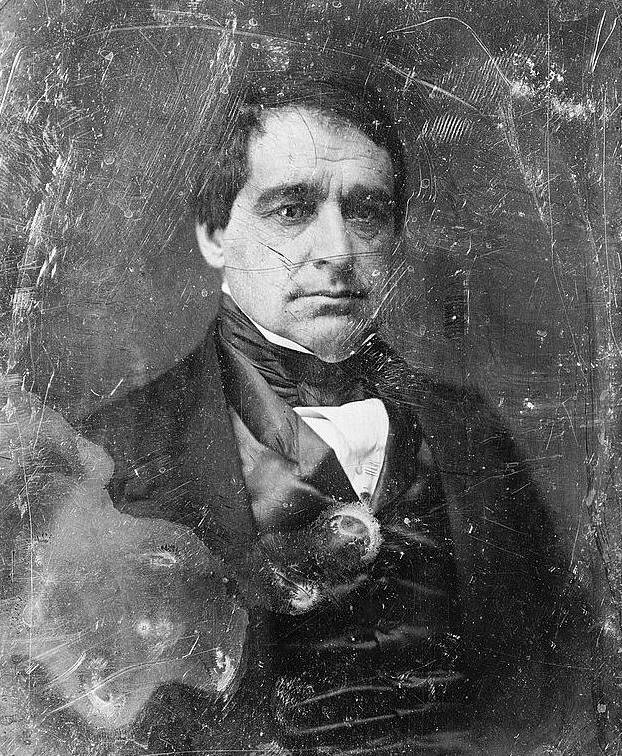
Hannibal Hamlin was an American politician from Maine who played a prominent role in mid-19th century national politics. Born in 1809 and dying on July 4, 1891, Hamlin held a succession of public offices at the state and federal levels. He is best known for serving as Vice President of the United States during Abraham Lincoln's first term (1861–1865), and for being the first holder of that office from the Republican Party.
Image gallery
5 Images


Early career and political offices
Hamlin trained as a lawyer and began his public life in Maine's state politics. Over several decades he was elected or appointed to a variety of positions, including service in the state legislature and as governor of Maine, as well as terms in the national legislature: the U.S. House of Representatives and the U.S. Senate. These roles gave him experience in both local and national lawmaking and in the contentious debates that preceded the Civil War.
Party realignment and 1860 election
Originally a member of the Democratic Party, Hamlin's views evolved during the 1850s amid worsening sectional tensions. He opposed the expansion of slavery into new territories, a stance that helped prompt his shift to the emerging Republican Party. In 1860 he was selected as the running mate of Abraham Lincoln (Lincoln) to provide regional balance and to represent the anti-slavery North on the ticket.
Vice presidency and later roles
As vice president during the Civil War, Hamlin supported Lincoln's administration and its measures to preserve the Union and to move toward emancipation. He served only for Lincoln's first term and was replaced on the 1864 ticket by Andrew Johnson as part of a strategy to broaden wartime political coalition. After leaving the vice presidency, Hamlin returned to public service, including another term in the U.S. Senate and other federal appointments.
Legacy and notable facts
- First Republican vice president: Hamlin holds the distinction of being the first vice president affiliated with the Republican Party.
- Party switch: His move from the Democratic to the Republican Party reflects the fluid and fractious political alignments of the 1850s.
- Career breadth: Few American politicians of his era served at high levels in both state and national institutions as Hamlin did.
Today Hamlin is remembered as a principled legislator whose career mirrors the political upheaval of his time: regional realignment, the fight over slavery, and the emergence of new national coalitions during the Civil War era.
Related articles
Author
AlegsaOnline.com Hannibal Hamlin: Maine statesman and Abraham Lincoln's first-term vice president Leandro Alegsa
URL: https://en.alegsaonline.com/art/120264
Sources
- en.wikisource.org1911_Encyclop%C3%A6dia_Britannica : 1911 Encyclopedia Britannica