
Hans-Adam II, Prince of Liechtenstein
Hans-Adam II (born 1945) is the reigning Prince of Liechtenstein, head of the princely family and a prominent figure in the principality's modern political, economic and cultural life.
Hans-Adam II (full name Johannes Adam Ferdinand Alois Josef Maria Marko d'Aviano Pius; born 14 February 1945) is the sovereign Prince of Liechtenstein. He became head of state on the death of his father, Franz Joseph II, and has combined traditional dynastic duties with active involvement in the principality's public affairs. As a hereditary monarch of one of Europe's smallest states, he shapes both ceremonial life and the public image of Liechtenstein abroad.
Image gallery
4 Images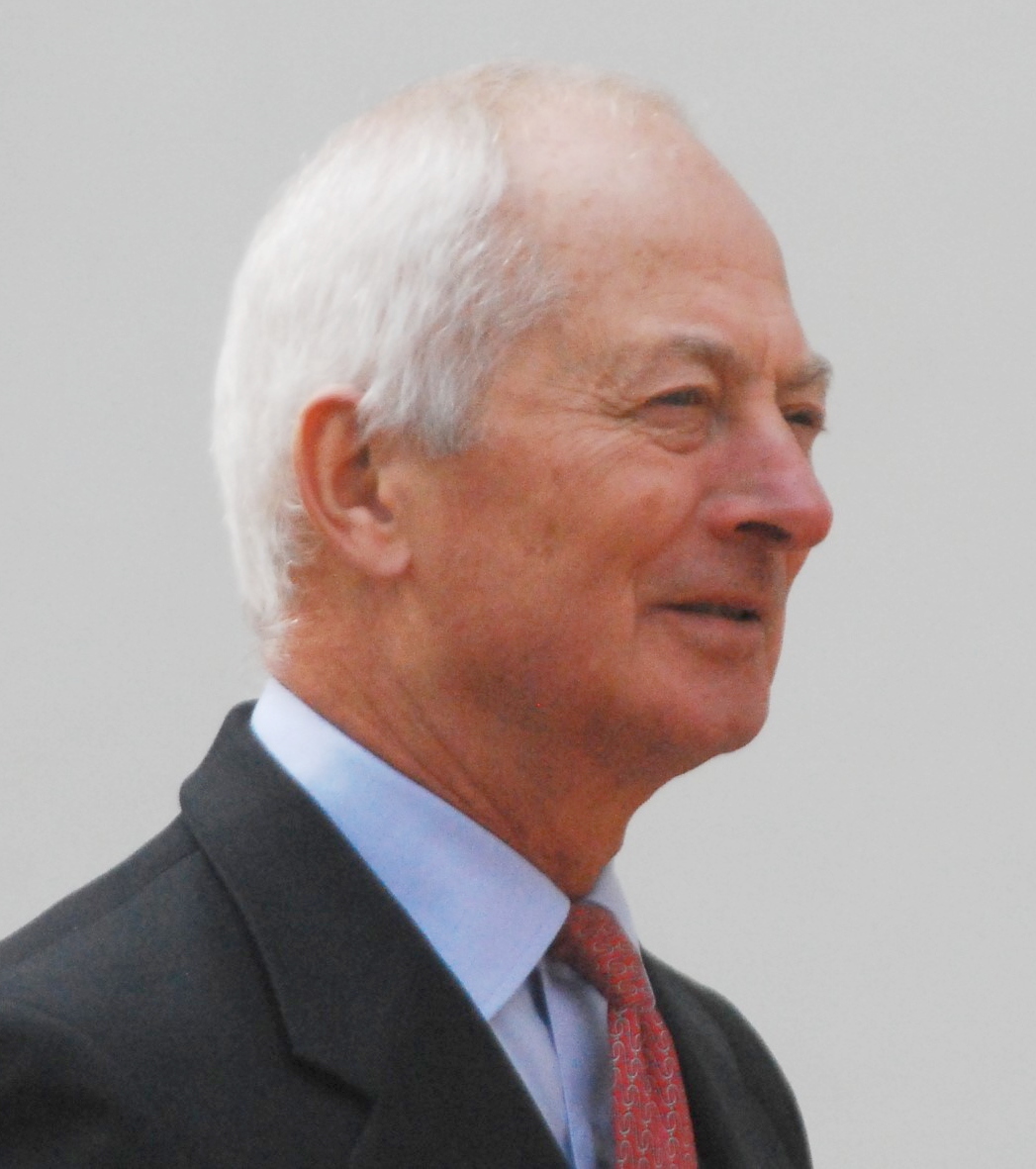
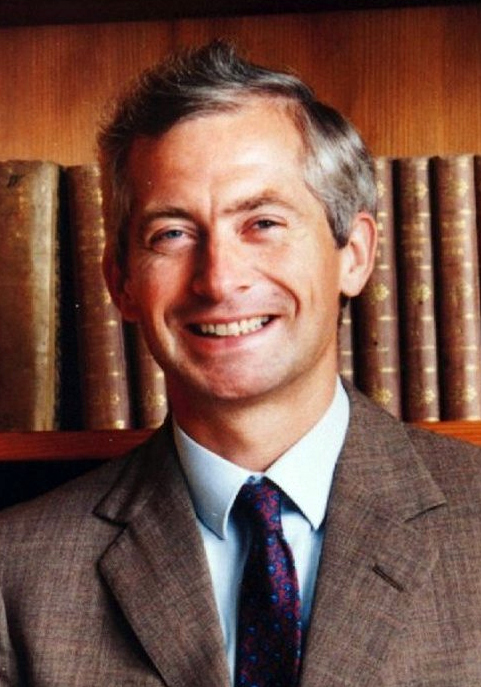


Role and constitutional position
Under Liechtenstein's constitution the prince is the formal head of state and holds powers that are greater than those of most modern constitutional monarchs. During Hans-Adam II's reign the balance between monarchical authority and democratic institutions has remained a central feature of domestic politics. A 2003 referendum, which attracted international attention, affirmed certain prerogatives of the prince; shortly afterwards Hans-Adam II delegated day-to-day governing authority to his eldest son and heir apparent as regent while retaining the sovereign title.
Economic and cultural activities
The princely family participates in private business and financial activities associated with the principality. The family-owned LGT Group is widely known as a private banking concern linked to the dynasty. Beyond finance, Hans-Adam II has been a patron of the arts, responsible for the stewardship of historic collections and support for museums, cultural projects and preservation of heritage that reflect the family's long history in central Europe.
Personal life and public image
Hans-Adam II lives in the principality's traditional residences and performs state visits and representative functions. He has spoken and written on questions of governance and the role of monarchy in the modern era, presenting arguments in favor of a continued constitutional role for hereditary rulers. His decisions have generated both support and debate within Liechtenstein and among international observers, reflecting the special constitutional character of the country.
Notable facts
- Succession: hereditary prince of a dynastic house with roots in the region's history.
- Regency: delegated day-to-day authority to his son as regent while retaining the princely title.
- Cultural patronage: responsible for important private art collections and cultural initiatives.
- Small-state leadership: leads a sovereign microstate with a distinctive constitutional model.
As an individual who combines dynastic tradition, economic activity and active engagement in public life, Hans-Adam II remains a defining figure in Liechtenstein's contemporary story and in discussions about monarchy, sovereignty and governance in modern Europe.
Related articles
Author
AlegsaOnline.com Hans-Adam II, Prince of Liechtenstein Leandro Alegsa
URL: https://en.alegsaonline.com/art/120265
Sources
- fuerstenhaus.li : "S.D. Fürst Hans-Adam II"
- fuerstenhaus.li : "Hausgesetz"
- i71.photobucket.com : i71.photobucket.com/albums/i152/Tais419/sophiebayern2.jpg.html
- polpix.sueddeutsche.com : polpix.sueddeutsche.com
- kommunikation.steiermark.at : "Hohe Auszeichnung für Ex-Landeschefin"
- coleccionesmilitares.com : "Military Collection"
- geneall.net : "Johannes Adam II, Fürst von und zu Liechtenstein, * 1945 - Geneall.net"
- parlament.gv.at : Parliamentary question, page=903
- uibk.ac.at : "Uni Innsbruck ehrt verdiente Persönlichkeiten"
- romaniaregala.ro : "Principele Suveran de Liechtenstein, omagiat la Cluj - Familia Regală a României / Royal Family of Romania"