
Hans-Dietrich Genscher
Hans-Dietrich Genscher was a leading German politician and longtime liberal statesman, best known as West Germany’s foreign minister and a key figure in détente and reunification.
Hans-Dietrich Genscher (1927–2016) was a prominent German politician and one of the most influential statesmen of postwar Europe. A leading figure in the liberal Free Democratic Party (FDP), he became widely known for his long service in government, his support for East-West dialogue, and his role in the political changes that led to German reunification.
Genscher was born in 1927 in the area around Halle in central Germany. After the Second World War, he entered public life in West Germany and built his career in liberal politics. Over time, he became one of the FDP’s most recognizable leaders, valued for his pragmatic style, negotiating skills, and ability to work across party lines.
Image gallery
4 Images

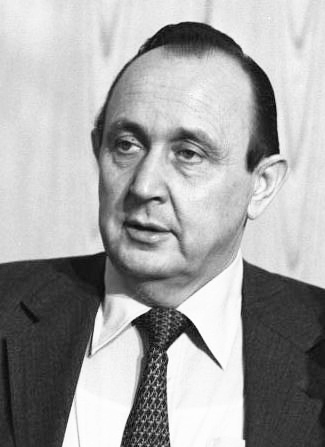

Government career
He served as Federal Minister of the Interior from 1969 to 1974 and then as Federal Minister for Foreign Affairs from 1974 to 1992. For many years he also held the office of Vice Chancellor. His long tenure made him the longest-serving foreign minister in German history, and he became closely associated with West Germany’s foreign policy during the Cold War.
As foreign minister, Genscher supported Ostpolitik, the policy of easing tensions with Eastern Europe and the Soviet bloc. He backed diplomacy, arms control, and closer European cooperation. In 1989, he played a highly visible role during the upheavals in Eastern Europe, including the events at the West German embassy in Prague, which became a symbol of the collapsing East German order.
Legacy
Genscher is remembered as a skilled mediator who helped shape Germany’s peaceful transformation. His political style combined liberal internationalism with a strong commitment to European integration and transatlantic cooperation. He remained an important public voice after leaving office in 1992, and his name is still strongly associated with diplomacy, moderation, and the reunification era.
- Known for: foreign policy, liberal politics, and crisis diplomacy
- Political home: the FDP
- Historical importance: a key figure in the final years of the Cold War and German reunification