
Greville Janner, Baron Janner of Braunstone: career and controversy
Overview of the British barrister and Labour politician Greville Janner (1928–2015), his public roles, allegations of historic sexual abuse, legal decisions, and legacy.
Overview
Greville Ewan Janner, Baron Janner of Braunstone (11 July 1928 – 19 December 2015) was a British barrister, Queen's Counsel and Labour politician who served in Parliament from 1970 until 1997 and then as a member of the House of Lords. He was active in Jewish communal life and public discussions about Holocaust education. Later in life he became the subject of allegations of historic sexual abuse; proceedings and prosecutorial decisions arising from those allegations generated extensive public debate.
Image gallery
3 Images
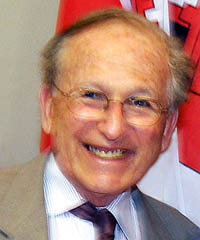

Career and public roles
Janner built a legal career as a barrister and was appointed Queen's Counsel in 1971. He entered electoral politics in 1970 and remained an elected Member of Parliament for nearly three decades before receiving a life peerage and taking a seat in the House of Lords. He held leadership roles in Jewish representative bodies and was prominent in efforts to promote awareness of the Holocaust and Jewish heritage.
- Legal status: barrister and Queen's Counsel (QC).
- Political service: Member of Parliament 1970–1997; thereafter a life peer in the House of Lords. See House of Lords.
- Community involvement: held senior positions in Jewish organisations, including chairmanship of the Board of Deputies of British Jews from 1978 to 1984.
Allegations, investigations and legal decisions
From the late 20th century and into the 21st, Janner was accused by multiple people of abusing children decades earlier. These were historic allegations covering many years; they were reported to police and examined over a prolonged period. Criminal investigations were opened and some complainants gave accounts to investigators and media. The handling of complaints, disclosure and prosecutorial decisions sparked controversy and calls for review.
In 2015 prosecutors announced that, while there was evidence that could support charges, Janner was not fit to stand trial because of illness. That decision, and the wider management of the allegations, led to public criticism and subsequent reviews of how those cases were investigated and prosecuted.
Death and legacy
Janner died in London on 19 December 2015 at the age of 87; the immediate cause reported was dementia related to Alzheimer's disease. Months earlier he had been deemed unfit to stand trial in relation to multiple historic abuse allegations. The combination of his long public career, his advocacy on Jewish and Holocaust issues, and the serious allegations against him has left a contested legacy: supporters point to his public service and legal work, while survivors, campaigners and critics emphasise the unresolved concerns about how historic abuse allegations were handled by institutions and the criminal justice system.
Notable facts and distinctions
- He served in Parliament for nearly three decades and subsequently sat as a life peer: information on his parliamentary roles is available through official records and summaries (political biography).
- He chaired the Board of Deputies of British Jews from 1978 to 1984 and was active in Holocaust education and Jewish communal affairs (community work).
- The allegations of historic abuse resulted in police inquiries, prosecutorial review and public controversy; further commentary and analysis of investigative procedures followed the decisions made before his death (allegations and proceedings).
- The circumstances of his final years, his health and the legal decisions about fitness to stand trial continue to be referenced in wider discussions about how the justice system handles allegations involving elderly or ill suspects (health and prosecution issues).
For contemporary news reports, official statements and archival material, see public records and reputable media summaries of the case and of Janner's public career (biographical resources, parliamentary records, community sources).
Related articles
Author
AlegsaOnline.com Greville Janner, Baron Janner of Braunstone: career and controversy Leandro Alegsa
URL: https://en.alegsaonline.com/art/120076
Sources
- bbc.co.uk : "Lord Janner will not face child sex abuse charges, CPS says"
- bbc.co.uk : "Lord Janner dies, aged 87, after long illness"