
Gordon Pirie (1931–1991) — British long-distance runner and author
Overview of Gordon Pirie, a leading British long-distance runner of the 1950s, his career highlights, records, writings on training, and legacy in athletics.
Douglas Alistair Gordon Pirie (10 February 1931 – 7 December 1991) was a prominent British long-distance runner of the 1950s. Born in Leeds, in the historic West Riding of Yorkshire, he grew up in Coulsdon and competed for the club South London Harriers. Recognised for his competitive front-running and determination, Pirie became one of the best-known English athletes of his era and later wrote about training and injury prevention.
Image gallery
3 Images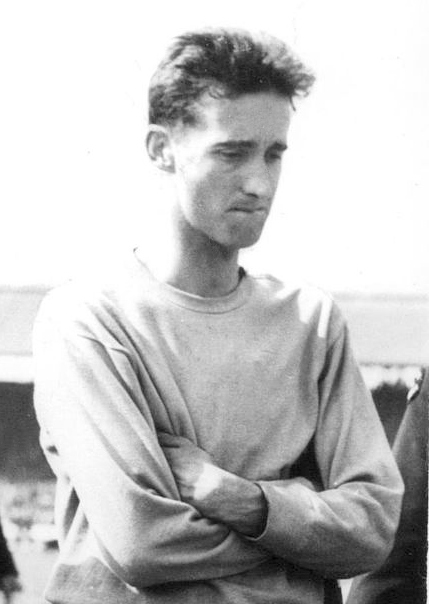


Career and achievements
Pirie was a two-time Olympian, representing Great Britain at the 1952 and 1956 Games. His most famous result came at the 1956 Melbourne Olympics, where he won the silver medal in the 5,000 metres. During the 1950s he challenged the leading international distance runners and recorded times that placed him among the world’s fastest. He captured national titles and competed in European and international meetings throughout his career.
- Olympic silver medallist in the 5,000 metres (1956).
- Regular winner at domestic championships and international track fixtures.
- Recorded performances in the 1950s that were at or near world record standards for distance events.
Style, training and writings
Pirie was known for an aggressive racing style: he often pushed the pace early and tried to break rivals with sustained tempo running. After retiring from peak competition he shared his experience through writing and coaching advice. His books and articles on running technique and injury prevention reached a broad readership and influenced training practices in Britain. He remained a visible figure in athletics circles and in running literature.
Early life and later years
Although born in Yorkshire, Pirie’s family moved south and he developed as an athlete in the London area, competing for local clubs and schools before advancing to the national stage. In later life he continued to contribute to the sport and to comment on training methods. Pirie died in Lymington; his passing from bile duct cancer was reported in December 1991 at a Hampshire medical facility.
For more information about his background and career read contemporary reports and athletics histories that discuss British distance running in the 1950s and 1960s. Useful starting points include athlete profiles and club histories from the era; see local archives and specialised athletics resources for contemporary race reports and interviews (national profile, Lymington, Hampshire). Further biographical material and statistical records can be found in athletics reference works and period newspapers.
Notable links and references: club histories and athlete databases often list race results and seasonal bests. For club affiliation see South London Harriers and national governing body records; for birthplace and upbringing consult local records in Leeds and Coulsdon. General athletics summaries and obituaries from 1991 provide context on his later life and death in Hampshire.
Related articles
Author
AlegsaOnline.com Gordon Pirie (1931–1991) — British long-distance runner and author Leandro Alegsa
URL: https://en.alegsaonline.com/art/119973