
Gjorge Ivanov
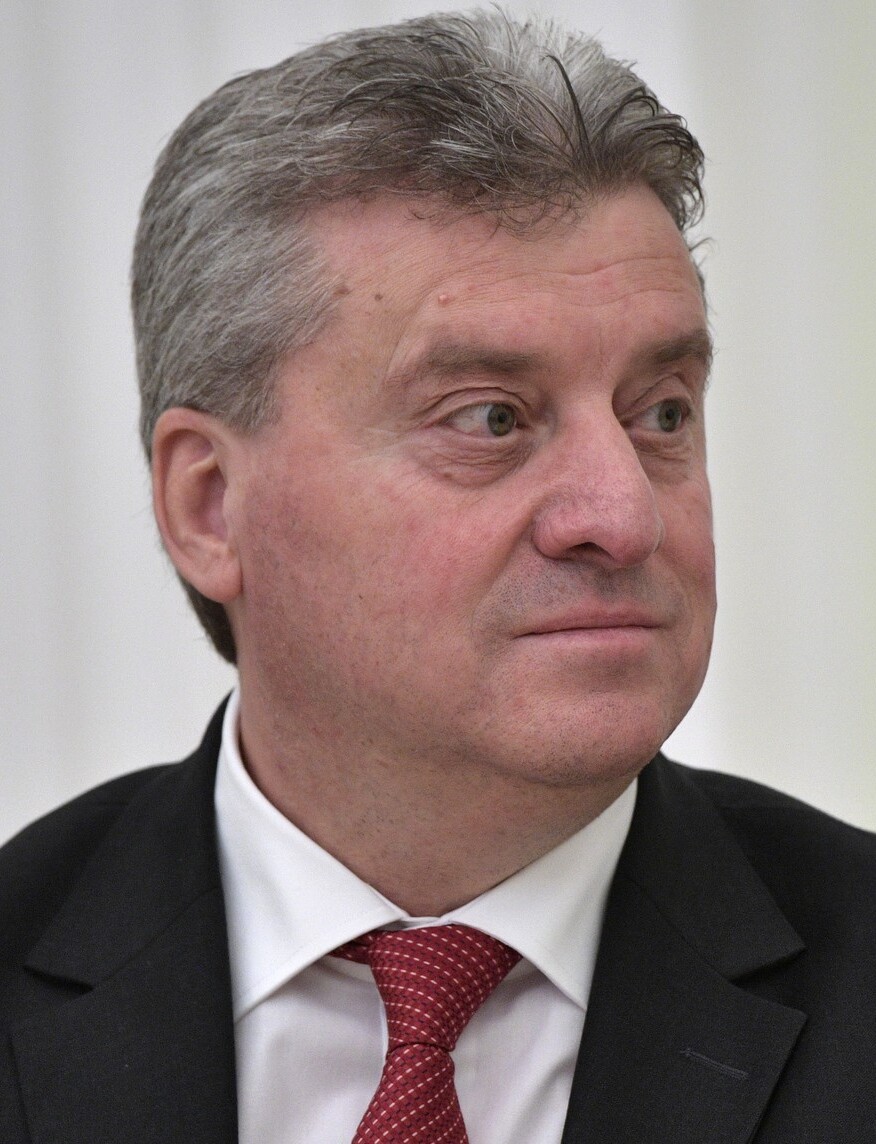
Gjorge Ivanov (born 2 May 1960) is a Macedonian politician who served as President of North Macedonia from 2009 to 2019 and whose tenure included notable political controversies.
Overview
Gjorge Ivanov (Ѓорге Иванов, born 2 May 1960) is a Macedonian politician who served as president of the country from 2009 until 2019. He held the office for two terms and acted as the formal head of state during a decade marked by efforts toward Euro-Atlantic integration and by intense domestic political disputes. His name and public statements received attention both at home and abroad.
Image gallery
5 Images


Role and responsibilities
The president of the Republic performs ceremonial and constitutional functions: representing the state abroad, serving as commander-in-chief of the armed forces, calling elections and referendums, accrediting diplomatic representatives, and signing laws into force or returning them to parliament. The scope of the office combines symbolic leadership with limited executive powers, so a president often influences public debate more by rhetoric and pardon powers than by daily governance.
Career and background
Before entering the presidency Ivanov was active in public life and the cultural and intellectual scene of his country. He was first elected president in 2009 and served until 2019. Throughout his tenure he positioned himself as a defender of national interests while engaging with questions of reform, minority relations, and international alignment. The period of his presidency coincided with ongoing negotiations and political processes related to the country's international name and membership aspirations.
Notable actions and controversies
Ivanov's presidency included a number of decisions that generated domestic controversy and international commentary. In 2016 he publicly criticized the European Union, saying the bloc had failed Macedonia and other Balkan states during the regional migrant flows, a comment that drew wider attention to the strain on EU–Western Balkan relations (EU, European migrant crisis). That year he also used presidential prerogatives in ways that prompted large public protests and debate about accountability and the rule of law, attracting criticism from civic groups and some international observers.
Legacy and significance
Ivanov's decade in office is often discussed in the context of the broader political evolution of his country: debates over constitutional reform, ethnic coexistence, and the pace of European and transatlantic integration. Observers note that a president with a chiefly symbolic mandate can still shape political discourse through public interventions, use of pardon powers, and statements on foreign policy. His tenure is therefore studied for its effects on public trust, institutional checks, and the trajectory of the state's foreign-policy alignment.
Further notes and resources
- Native name and local sources: Ѓорге Иванов.
- Information about the state he led: North Macedonia.
- Context on European institutions: EU.
- Context on the regional 2015–2016 migration events: European migrant crisis.
This article gives a concise portrait of a prominent political figure and points to areas—policy choices, public reactions, and international relations—where his presidency had lasting resonance.
Related articles
Author
AlegsaOnline.com Gjorge Ivanov Leandro Alegsa
URL: https://en.alegsaonline.com/art/119886
Sources
- dw.com : "Germany, EU have failed us, Macedonian president says"