
Giorgio de Chirico: founder of Metaphysical painting and later classicist
Italian painter and writer Giorgio de Chirico (1888–1978) originated the Metaphysical school before WWI; his enigmatic cityscapes influenced Surrealism and he later adopted a more classical manner.
Overview
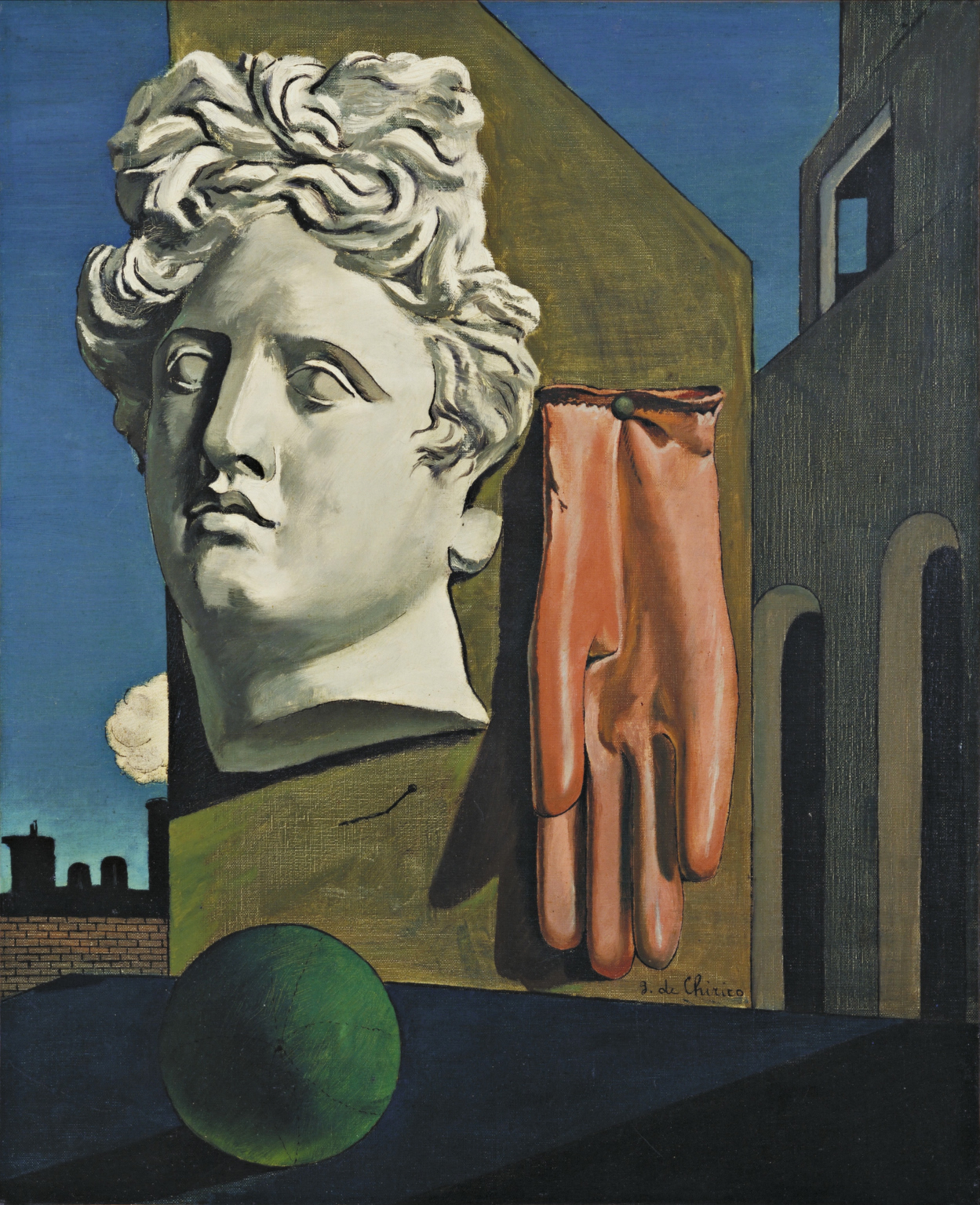
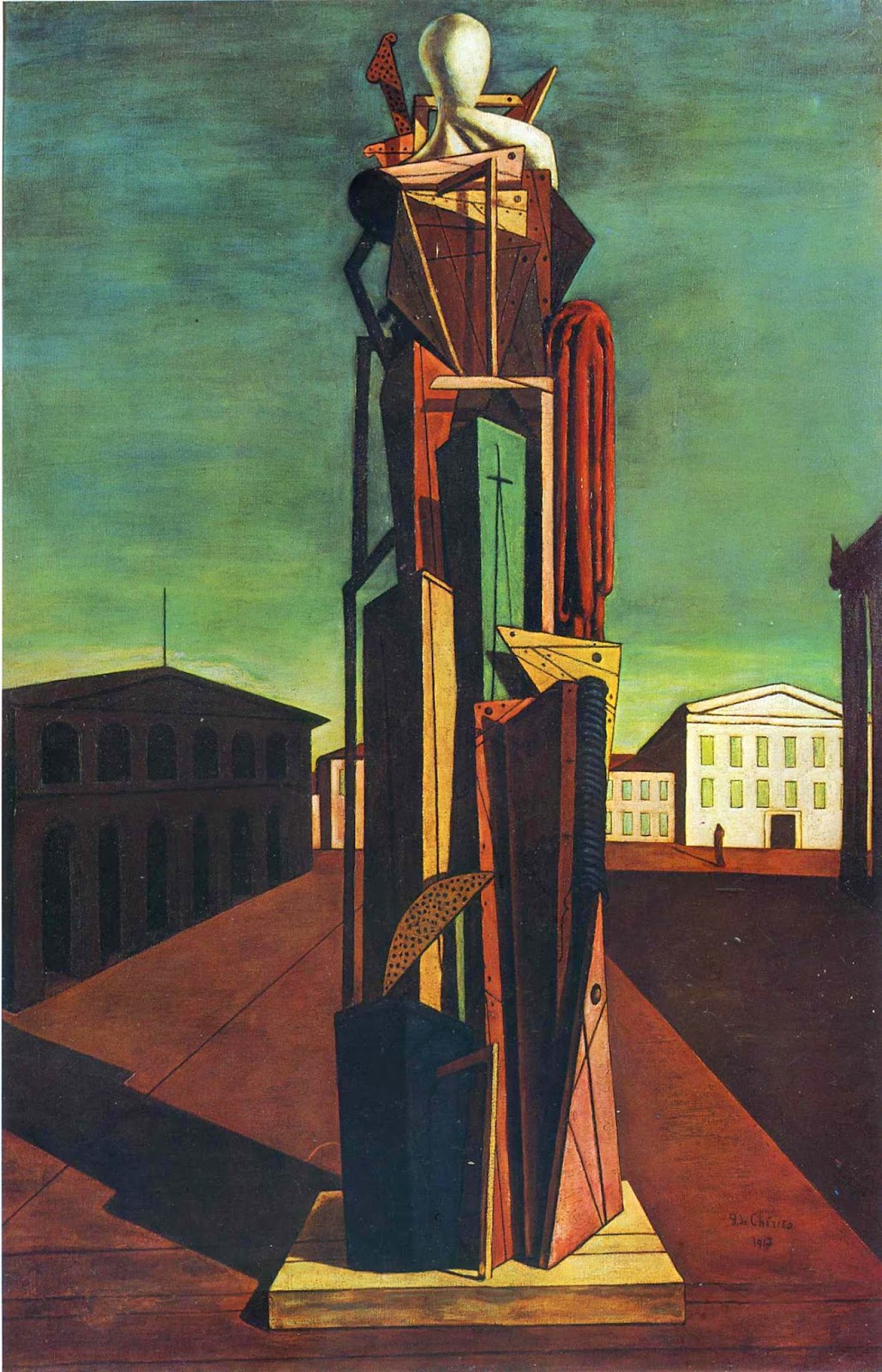
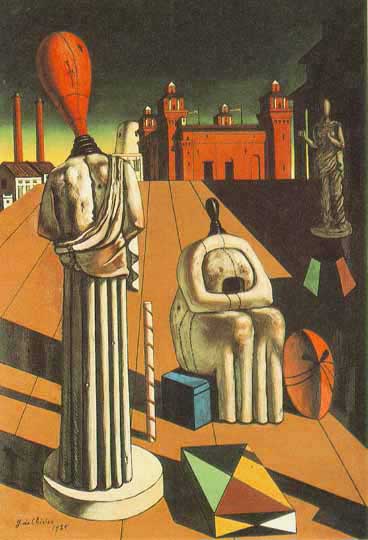
Giorgio de Chirico was an Italian painter and writer whose early 20th-century work gave rise to the Scuola metafisica (Metaphysical School). His paintings from before World War I created a new visual language of deserted piazzas, distorted perspective and dreamlike silence. Those images became an important source of inspiration for later Modern movements, especially the Surrealist painters.
Image gallery
10 Images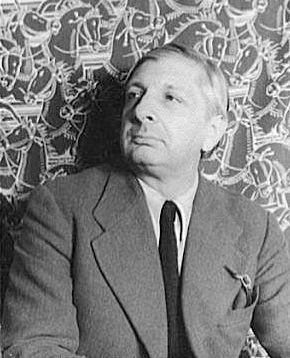




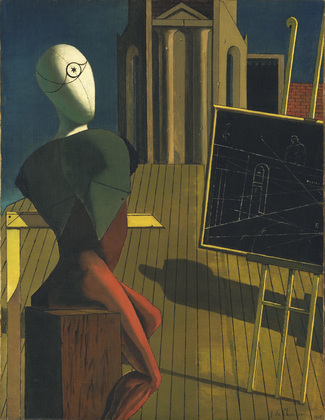
Characteristics and motifs
De Chirico's Metaphysical works are notable for their cool lighting, elongated shadows, empty urban squares, arcades and classical architecture placed alongside incongruous objects such as mannequins, trains or clock faces. The combination produces an uncanny, theatrical atmosphere that questions ordinary perception. Many of these features recur across his career and are often cited by critics and historians as defining elements of Metaphysical painting.
Early life and artistic formation
Born in Volos, Greece, to Italian parents, de Chirico received early training in Athens and later in Florence. In 1906 he enrolled at the Munich Academy of Fine Arts, where exposure to German philosophy and symbolist painters helped shape his approach to mood, perspective and symbolism. His travels and classical education informed the frequent use of ancient motifs and architectural references in his imagery.
Scuola metafisica, influence and later development
Before and during the years around World War I de Chirico and a small circle developed the ideas behind the Scuola metafisica. Their exploration of metaphysical questions through painting influenced contemporaries and successors; figures such as René Magritte and Salvador Dalí acknowledged the impact of de Chirico's early work on the broader Modern avant-garde. After about 1919 he turned toward a more neoclassical style, producing works that emphasized traditional technique, mythological subjects and clearer figuration.
Writings, reception and later life
Alongside painting, de Chirico wrote essays and poetry that outlined his ideas about art and metaphysics. His late career provoked mixed reactions: some admired his return to classicism, while others criticized revisions of earlier compositions and questioned authorship of certain later pieces. Nonetheless, his role as a progenitor of a visually influential movement secures his place in 20th-century art history.
Legacy and notable features
- Recurring visual devices: mannequins, empty piazzas, long shadows, trains and classical ruins.
- Cross-disciplinary impact: painting, writing and theatrical staging of space.
- Enduring influence on Surrealism and cinematic mise-en-scène.
Further information and reproductions of key works can be found via institutional and scholarly sources: consult museum catalogues, critical studies and archives for primary texts and high-quality images. See also resources on early 20th-century Italian art and the development of metaphysical themes in painting (biography, catalogue, critical essays).
Related articles
Author
AlegsaOnline.com Giorgio de Chirico: founder of Metaphysical painting and later classicist Leandro Alegsa
URL: https://en.alegsaonline.com/art/119836
Sources
- britannica.com : "Giorgio de Chirico"