
Georg Danzer — Austrian singer-songwriter and Austropop pioneer
A concise encyclopedic overview of Georg Danzer, his musical style, career, and legacy as an influential Austrian singer-songwriter often credited with shaping Austropop.
Overview
Georg Franz Danzer (born 7 October 1946 in Vienna, died 21 June 2007 in Asperhofen) was an Austrian singer-songwriter whose work helped define modern popular music in Austria. He wrote and performed many songs in both standard German and the Viennese dialect, combining personal storytelling with social observation. Danzer is frequently described as a founding figure of Austropop — a term used for popular music sung in German and regional dialects in Austria — because of his prominence in the 1970s and his adoption of local speech and themes.
Image gallery
1 Image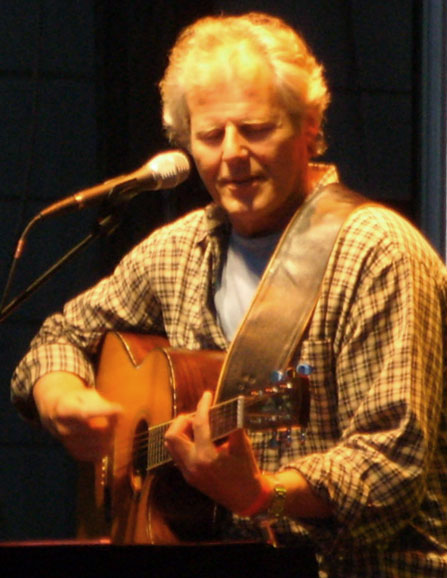
Musical style and themes
Danzer's songs are known for their conversational vocal delivery, clear melodies, and emphasis on lyrical content. He often mixed irony, affection, and critique when addressing everyday life, relationships, and political or social issues. Unlike many pop performers who prioritized studio polish, Danzer favored direct expression: his arrangements tended to support the words rather than overwhelm them. This approach made his music accessible and resonant for listeners who recognized familiar places, characters, and concerns in his lyrics.
Life and career
Born and raised in Vienna, Danzer began writing songs in his youth and gradually built a reputation through club performances, recordings, and radio play. Over several decades he released albums and toured, maintaining a steady audience in Austria and German-speaking regions. His decision to use local dialect in some songs was both artistic and cultural, affirming a distinctly Austrian voice within a broader German-language pop market. In later years he continued to record and perform, while also speaking publicly about social topics. Danzer died of lung cancer at age 60.
Legacy and influence
Danzer's influence can be seen in how subsequent generations of Austrian musicians embraced vernacular language and socially aware lyrics. He is often cited by artists and critics as a model for combining literate songwriting with popular forms. Beyond music, his work contributed to a recognition of Austrian cultural identity within popular culture, encouraging performers to draw on local speech and stories rather than imitating foreign models. His recordings remain part of Austria's musical heritage and are still referenced in discussions of national pop traditions.
Further reading and resources
- Biography and early life
- Discography overview
- Interviews and personal reflections
- Press coverage of later years
- Obituary and tributes
- Articles on Austropop
- Analyses of songwriting and lyrics
- Live performance histories
- Cultural context and influence
- Archival recordings and releases
- Studies of Viennese dialect in music
- Memorials and retrospectives
For more detailed exploration, consult the listed resources or collections that focus on Austrian popular music history and singer-songwriter traditions. Danzer's work is often a starting point for understanding how language, locality, and personal voice shaped a national pop culture during the late 20th century.
Related articles
Author
AlegsaOnline.com Georg Danzer — Austrian singer-songwriter and Austropop pioneer Leandro Alegsa
URL: https://en.alegsaonline.com/art/119687