
Georg Michaelis (1857–1936)
German jurist and civil servant who served briefly as Chancellor of the German Empire in 1917; the first German chancellor from a non-noble background.
Overview
Georg Michaelis was a German jurist, administrator and short‑term chancellor during the First World War. Born in 1857 and dying in 1936, he is notable for being the first head of the German government without an aristocratic title. His premiership came at a moment of mounting political pressure on the imperial government.
Image gallery
3 Images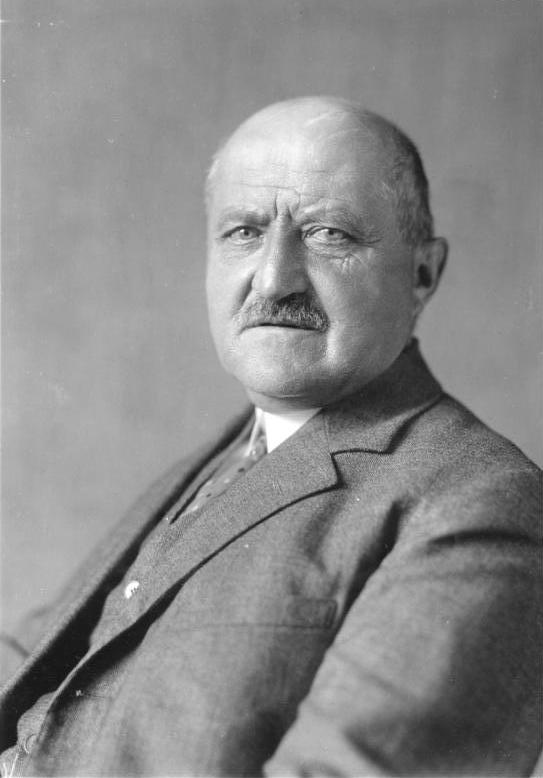

Background and career
Michaelis trained as a lawyer and spent much of his career in the Prussian civil service and imperial administration. He rose through bureaucratic ranks rather than through aristocratic or military channels, building a reputation as a competent, if uncharismatic, technocrat. That administrative background made him acceptable to conservative elites seeking a pliable minister in wartime.
Chancellorship in 1917
He was appointed chancellor after the resignation of his predecessor in mid‑1917. Michaelis led the government for only a short period during which the Reichstag, political parties and the military leadership were in sharp conflict over war policy and the question of reforms. Lacking a strong parliamentary base and facing pressure from the Supreme Army Command, his administration was unable to build enduring support.
Later life and assessment
After leaving the chancellorship, Michaelis returned to less prominent roles and private life. Historians generally view his tenure as a symptom of the broader crisis of the imperial system in World War I: an attempt by the monarchy to install a compliant administrator that failed to resolve tensions between the civilian government, the Reichstag and the military.
Key facts
- Born 8 September 1857; died 24 July 1936.
- First German chancellor who was not of noble birth.
- Served briefly in 1917 amid wartime political turmoil.
- Seen as an administrative figure with limited political support.
For an introduction to his life and role in 1917 politics, see further reading on Georg Michaelis.
Related articles
Author
AlegsaOnline.com Georg Michaelis (1857–1936) Leandro Alegsa
URL: https://en.alegsaonline.com/art/119688
Sources
- archontology.org : "Georg Michaelis" at Archontology.org