
Georgy Lvov (1861–1925)
Russian noble and liberal statesman who led the first post‑imperial Provisional Government in 1917; promoted civil reform and local self‑government before resigning and later living in exile in Paris.
Overview
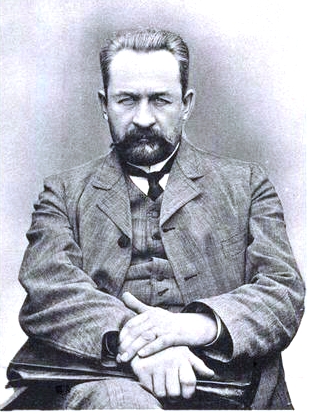
Georgy Yevgenyevich Lvov (Russian spelling: Гео́ргий Евге́ньевич Львов, 2 November 1861 – 7 March 1925) was a Russian nobleman, public administrator and liberal politician. He is best known as the first head of the provisional government that assumed authority after the February Revolution of 1917 and the abdication of the emperor. In that capacity he served as Prime Minister of Russia from 15 March to 21 July 1917. He is often described in accounts of the period as a moderate reformer who sought to steer the country toward parliamentary rule while maintaining the war effort.
Image gallery
4 Images


Early life and public career
Lvov was born in Dresden in the Kingdom of Saxony, then part of the German Confederation, into a princely Russian landowner family. He became active in provincial administration and the network of zemstvos — local self‑government bodies that were important training grounds for liberal administrators before 1917. Over decades he developed a reputation as an organizer and advocate of public welfare projects, bridging aristocratic background with a practical interest in municipal reform and emergency relief.
Prime ministership, goals and approach
When the Imperial government collapsed in 1917, Lvov emerged as a consensual figure acceptable to a range of liberal and moderate forces. As head of the provisional administration he sought to implement basic civil liberties, judicial and electoral reforms, and to expand local self‑rule. He faced the difficult task of balancing calls for rapid democratization with pressures to continue fighting in World War I and to maintain public order. Many contemporaries saw him as earnest and principled but limited in political authority.
Policies and challenges
Lvov's brief tenure was marked by several initiatives and severe constraints. Major themes included:
- Restoration of civil freedoms and attempts to reform law and administration;
- Support for greater powers for the constituent assembly and for local government bodies such as the zemstvos;
- Efforts to keep Russia in the war while negotiating improved conditions for soldiers and the home front;
- Managing competing political currents: moderates, socialists, workers' councils and conservative elements.
These aims were complicated by food shortages, military setbacks, radicalization in cities and the growing influence of socialist parties and soviets, which limited the provisional government's room for decisive action.
Resignation, arrest and exile
Mounting political pressure and the need for a stronger political position led Lvov to resign in July 1917 in favor of his Minister of Justice, Alexander Kerensky, who became prime minister and tried to forge a broader coalition. After the Bolshevik seizure of power later that year, Lvov was detained by the new authorities; he later escaped their control and left Russia. He settled in Paris, where he lived for the remainder of his life and worked with fellow émigrés to document and interpret the events of 1917.
Legacy and assessment
Historians typically characterize Lvov as a well‑intentioned liberal whose social background and administrative skills made him suited to organizational tasks but who lacked the forceful political base to carry sweeping transformations in a revolutionary environment. His short premiership exemplifies the dilemmas faced by moderate reformers caught between revolutionary pressure and the collapse of old institutions. For readers seeking further context about Lvov's role and the institutions he represented, consult specialized histories of the Russian Provisional Government and the zemstvo movement, or archival collections that collect his speeches and correspondence.
More on Lvov | Russian political history | Dresden and 19th‑century Europe
Related articles
Author
AlegsaOnline.com Georgy Lvov (1861–1925) Leandro Alegsa
URL: https://en.alegsaonline.com/art/119684