
Georgy Grechko — Soviet cosmonaut and atmospheric scientist
Georgy M. Grechko (1931–2017) was a Soviet cosmonaut who flew on multiple Soyuz missions, served on long-duration orbital expeditions and later worked in atmospheric physics and science outreach.
Georgy Mikhaylovich Grechko (25 May 1931 – 8 April 2017) was a Soviet-era cosmonaut and scientist known for his work on several Soyuz flights and for later teaching and writing about atmospheric physics. He participated in multiple long-duration space missions during the 1970s and 1980s that advanced the Soviet program's capabilities for sustained operations in Earth orbit. For a Russian-language summary of his life and career see biographical notes.
Image gallery
1 Image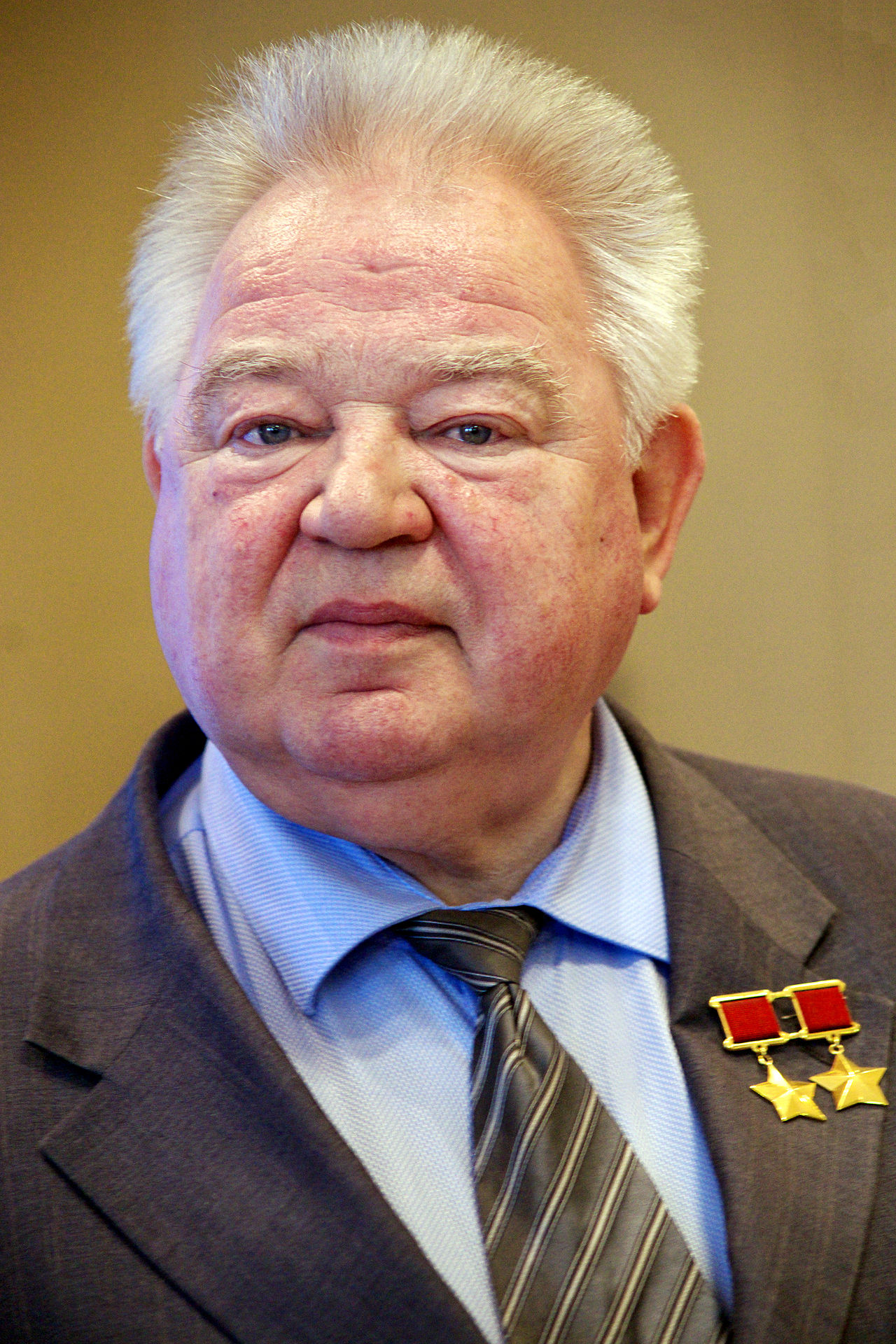
Career and missions
Grechko flew as a crew member on three Soyuz flights that conducted station-based research and engineering activities. Those missions — Soyuz 17, Soyuz 26 and Soyuz T-14 — placed him aboard Soviet orbital complexes where cosmonauts performed experiments in life sciences, materials processing and Earth observation. On these flights he served in roles focused on in-orbit systems, scientific equipment operation and support of long-term habitation. A concise mission overview is available at mission summaries.
Scientific interests and later work
After leaving active flight duty, Grechko continued to engage with scientific research and education. In 1992 he stepped away from the space programme to concentrate on atmospheric physics and lecturing at institutions connected with the Russian Academy of Sciences. His post-flight career combined research, teaching and public communication about spaceborne observations of Earth and atmospheric processes. More information about his scientific work and academic contributions can be found via related resources.
Awards, publications and public legacy
During his career Grechko received high state honors for his role in the space programme, including being awarded the title Hero of the Soviet Union twice. He also took part in outreach and wrote memoirs recounting his experiences in flight and training; his autobiographical book is published in Russian under the title "Космонавт No. 34: От лучины до пришельцев" (translated as Cosmonaut No. 34: From Splinter to Aliens). For a brief list of his decorations and for references to his writings see honors and publications.
Importance and notable facts
Grechko's flights contributed to the Soviet Union's growing expertise in long-duration human spaceflight, in particular the practical demands of living and working on orbital stations. His career bridged operational flight experience and scientific study, a combination that has been influential in shaping post-flight roles for many cosmonauts and astronauts. For broader context on the era and the programme he helped develop, consult general historical overviews at programme history.
Grechko died on 8 April 2017 at the age of 85 from heart failure. He was survived by his wife, Lyudmila, and a daughter, Olga. His memoirs and recorded interviews remain resources for researchers and enthusiasts interested in human spaceflight, life aboard orbital stations and the transition of Soviet space personnel into scientific and educational roles.
Related articles
Author
AlegsaOnline.com Georgy Grechko — Soviet cosmonaut and atmospheric scientist Leandro Alegsa
URL: https://en.alegsaonline.com/art/119683
Sources
- tass.ru : Умер космонавт Георгий Гречко