
George Tenet: U.S. Intelligence Leader and CIA Director (1997–2004)
Profile of George J. Tenet, longtime Director of Central Intelligence (1997–2004): background, tenure at the CIA, major events and controversies, and later career in academia and public life.
Overview
George John Tenet (born January 5, 1953) is an American intelligence official best known for serving as Director of Central Intelligence (DCI) from 1997 to 2004. He led the Central Intelligence Agency through a turbulent period that included the 9/11 attacks, the U.S. campaigns in Afghanistan and Iraq, and significant institutional change in the U.S. intelligence community. After leaving government service, he joined academia and public policy work, including a teaching appointment at Georgetown University where he is a professor in the practice of diplomacy Georgetown profile.
Image gallery
5 Images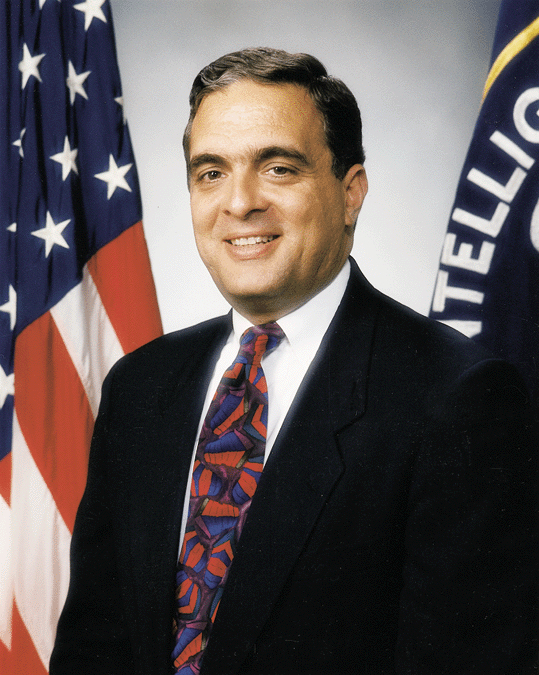


Early life and career
Tenet was born to parents of Greek heritage and grew up in the United States, completing studies that prepared him for a career in government service. Early assignments in intelligence and national security led to progressively senior roles on Capitol Hill and within the executive branch. Biographical sources record his birthplace and year 1953 and provide context for his ascent within U.S. foreign policy circles.
Tenure as Director of Central Intelligence
Appointed DCI in July 1997, Tenet became one of the longest-serving directors in CIA history, second in longevity only to Allen Dulles. He served under Presidents of opposing parties — first under President Clinton and then under President Bush Presidential administrations — an uncommon occurrence for the post bipartisan service. In that capacity he oversaw CIA operations, analysis, clandestine activities and coordination with other agencies across the intelligence community CIA role.
- Major events during his tenure included the 9/11 terrorist attacks, the subsequent global counterterrorism campaign, and the U.S. military campaigns in Afghanistan and Iraq.
- He presided over intelligence collection and analysis efforts that informed high-level policy decisions, including assessments related to weapons of mass destruction in Iraq.
- Institutional changes and debates over intelligence reform culminated in new organizational structures for U.S. intelligence.
Controversies and legacy
Tenet's time as DCI remains the subject of debate. Critics fault aspects of the agency's prewar intelligence on Iraq, while supporters point to the CIA's operational disruption of terrorist networks after 2001. He faced congressional inquiries and public scrutiny before stepping down in 2004 as the intelligence community underwent statutory reorganization that created the Director of National Intelligence to coordinate agencies more centrally.
Later career and public life
After leaving the CIA, Tenet entered private sector and academic roles and contributed to public discussions about intelligence, national security and diplomacy. He accepted a position as Distinguished Professor in the Practice of Diplomacy at Georgetown University Georgetown and has participated in interviews, panels and writings about intelligence reform and lessons from the post‑9/11 era. Further background on his career and public statements can be found in biographical and institutional profiles U.S. context and agency histories CIA history, as well as general reference entries biography and scholarly discussions analyses.
Related articles
Author
AlegsaOnline.com George Tenet: U.S. Intelligence Leader and CIA Director (1997–2004) Leandro Alegsa
URL: https://en.alegsaonline.com/art/119653