
George V (1865–1936) — King of the United Kingdom and British Dominions
George V reigned 1910–1936. A former naval officer, he guided the monarchy through World War I, changed the family name to Windsor and presided over constitutional change within the Empire.
Overview
George V (born George Frederick Ernest Albert in 1865) was King of the United Kingdom and the British Dominions and Emperor of India from 1910 until his death in 1936. He was the second son of Edward VII and the grandson of Queen Victoria. During his reign the monarchy adapted to profound social, political and imperial change, and he became the first sovereign to designate the royal house by the family name later styled as the House of Windsor.
Image gallery
10 Images




Early life and naval career
George spent much of his youth serving in the Royal Navy, entering naval life as a teenager and developing an interest in maritime matters and disciplined routine. His naval training and early public duties shaped a public image of diligent duty, reserve and service. He left active naval service on becoming heir apparent and thereafter undertook the responsibilities expected of the heir to the throne.
Accession, coronation and wartime years
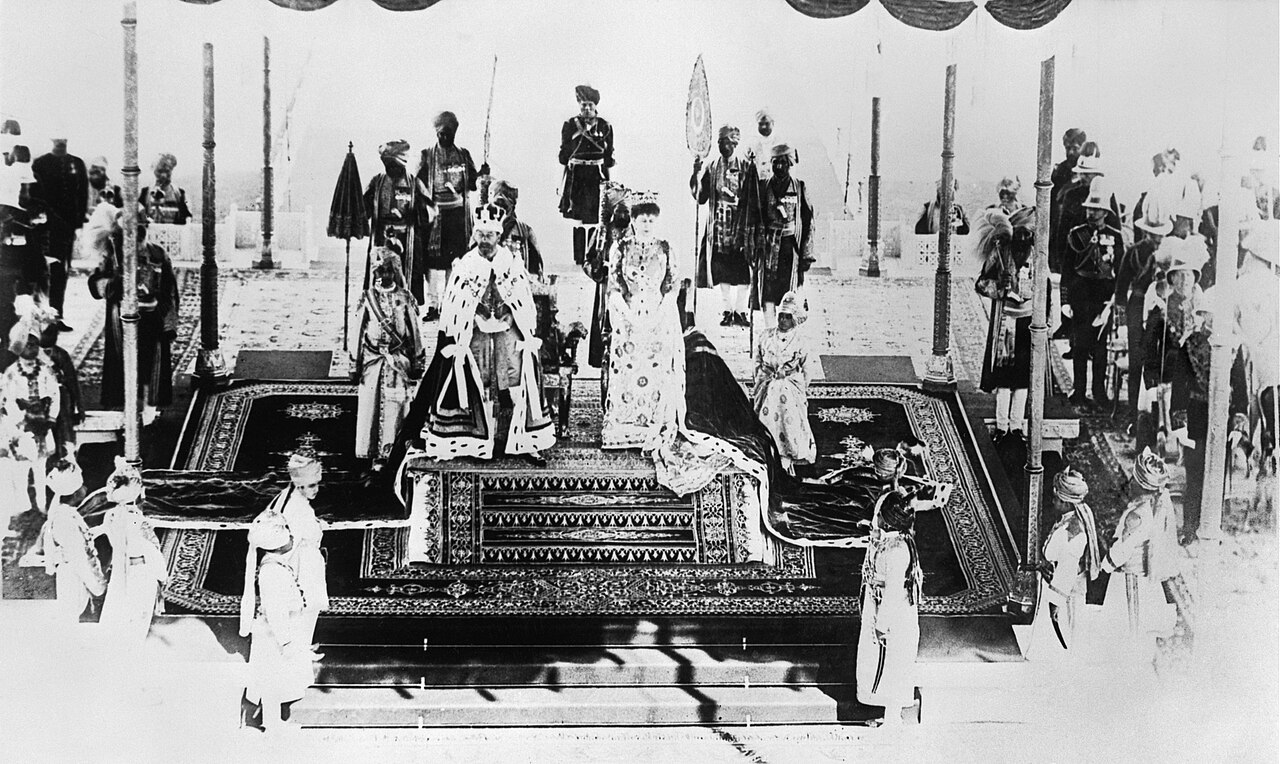
He succeeded to the throne on the death of his father in 1910 and was crowned King and Emperor of India in 1911. The defining national crisis of his reign was World War I, during which the royal family made numerous visits to hospitals and military units and worked to sustain public morale. In 1917, with strong anti-German feeling at home, the royal family adopted the name Windsor to emphasize British identity and remove perceived foreign associations.
Family and succession
George married Princess Mary of Teck, and the couple had several children who took on public duties in the United Kingdom and overseas. Two of his sons later became monarchs: the eldest son, Edward, briefly reigned in 1936 before abdicating, and another son became the next king. The dynasty he led continued to shape the monarchy during the decline of the British Empire and the development of the modern Commonwealth; his granddaughter was Elizabeth II.
Public life, interests and legacy
George V cultivated a reputation for steadiness, duty and constitutional propriety. He presided over the monarchy at a time of widening democratic politics, industrial unrest and the Irish question, and his reign saw important changes in the relationship between Britain and its Dominions. The Imperial Conferences and constitutional developments of the 1920s and early 1930s moved the Dominions toward legislative equality and a looser imperial structure.
On a personal level he was known for modest pastimes and private interests: he was an enthusiastic collector of postage stamps and philatelic material, a hobby noted by contemporaries and historians (stamp collecting). He also introduced or popularized royal practices that survive today, including the custom of a regular royal broadcast to the public.
Reputation and final years
George V was widely regarded in his lifetime as a figure of continuity who helped steady the monarchy through upheaval. His measured handling of public duties, his visible wartime support for the armed forces and his willingness to adapt symbolic aspects of the crown enhanced the institution's standing. He died in 1936, having presided over a period that included both the stresses of global conflict and the beginnings of constitutional transformation within the Empire and Commonwealth.
Questions and answers
Q: Who was George V?
A: George V was King of the United Kingdom and the first British monarch with the family name Windsor.
Q: When was George V born?
A: George V was born on June 3, 1865.
Q: Who was George V's father?
A: George V's father was Edward VII.
Q: What did George V do before he became king?
A: George V was in the Royal Navy as a young man but left the Navy to become king.
Q: When was George V crowned King and Emperor of India?
A: George V was crowned King and Emperor of India in 1911.
Q: Why did George V change the family name to "Windsor"?
A: George V changed the family name to "Windsor" to remove any association with a German heritage because Germany was very unpopular at the time.
Q: Who are George V's sons?
A: George V's sons were Edward and George, who later became kings of the United Kingdom and British Empire.
Related articles
Author
AlegsaOnline.com George V (1865–1936) — King of the United Kingdom and British Dominions Leandro Alegsa
URL: https://en.alegsaonline.com/art/119657
Sources
- bmj.com : "A king, a doctor, and a convenient death"
- doi.org : 10.1136/bmj.308.6941.1445