
George W. Romney (1907–1995)
American businessman and Republican politician who led American Motors, served as Governor of Michigan and U.S. Secretary of Housing and Urban Development; father of Mitt Romney.
Overview
George Wilcken Romney (July 8, 1907 – July 26, 1995) was an American businessman and Republican politician who combined corporate leadership with public service. He gained national attention as the chairman and president of American Motors Corporation and later as the 43rd Governor of Michigan. After seeking the Republican presidential nomination in 1968, he served in the Richard Nixon administration as United States Secretary of Housing and Urban Development (HUD).
Image gallery
10 Images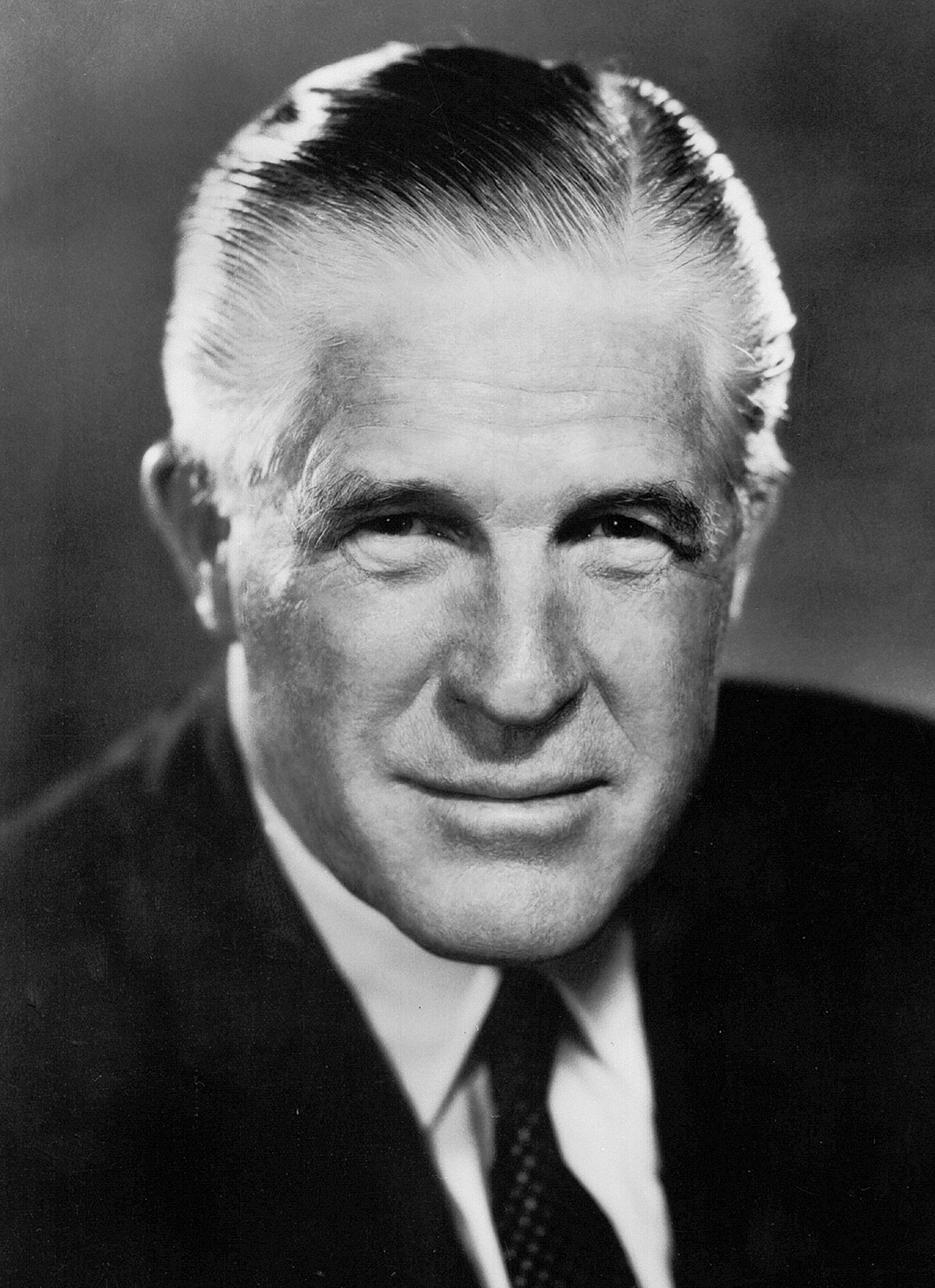


Early life and background
Romney was born to American parents living in northern Mexico and spent part of his childhood in a bilingual environment. His family belonged to the Latter-day Saints community, and that background shaped both his personal values and public persona. As a young man he moved to the United States, pursued work in industry, and developed a practical approach to leadership that emphasized hands-on management, attention to product quality, and an ability to communicate across cultural and regional lines.
Business career
Romney rose to prominence in the automobile industry after World War II. As chairman and president of AMC he guided a smaller manufacturer through a period of intense competition with the larger Detroit companies. He championed efficient production methods, careful marketing, and compact, fuel-conscious designs at a time when consumer tastes and economic pressures were changing the auto market. His success in stabilizing and modernizing the company established his reputation as a competent executive capable of managing complex organizations.
Political career and the 1968 campaign
Entering electoral politics, Romney was elected Governor of Michigan and served two terms beginning in 1963. His governorship focused on state economic development, infrastructure improvements, civil rights protections, and urban renewal efforts intended to address the challenges faced by growing cities. He developed a reputation as a moderate Republican who combined fiscal responsibility with support for social programs and equal opportunity.
In 1968 Romney sought the Republican presidential nomination and became a prominent contender. During his campaign he visited U.S. forces abroad and subsequently altered his earlier public position on the Vietnam War, a change he described by saying he had been "brainwashed" about the conflict. That remark damaged his standing with many voters and contributed to his decision to withdraw from the race; the nomination ultimately went to Richard Nixon.
HUD leadership and later life
After the 1968 campaign, Romney accepted an appointment as Secretary of Housing and Urban Development and served from 1969 to 1973. At HUD he sought to improve housing quality and to coordinate federal, state, and local programs aimed at urban problems, emphasizing managerial reform and program efficiency. His tenure coincided with debates over urban policy, federal housing subsidies, and civil rights enforcement in housing. He left federal office in 1973 and returned to private life, where he continued to comment on public affairs and to participate in business and civic activities.
Legacy and family
Romney is remembered as a figure who bridged corporate management and public administration, a moderate voice in mid-20th-century Republican politics, and an advocate for pragmatic solutions to economic and social issues. His approach combined emphasis on organizational competence, civil rights, and the responsibilities of government to foster opportunity. He married Lenore Romney, who later sought public office herself and is the subject of separate biographical entries, and he was the father of Mitt Romney, who served as Governor of Massachusetts and was the Republican nominee for president in 2012; Mitt is currently a member of the Senate (current U.S. Senator).
For readers seeking further context, archival materials, campaign records, and business histories provide detailed documentation of Romney's roles: corporate archives and industry histories for his time at AMC, gubernatorial records for his years as Governor of Michigan, federal documents for his work at HUD, and contemporary news coverage of the 1968 campaign and its aftermath, including accounts of his interaction with the Nixon administration and national politics.
Selected offices held
- Chairman and president, American Motors Corporation (1954–1962) — AMC
- Governor of Michigan (1963–1969) — State office
- U.S. Secretary of Housing and Urban Development (1969–1973) — HUD
Related figures and resources include his wife Lenore Romney, materials associated with the Republican Party (party records), business archives documenting his corporate career (business sources), and presidential papers and historical research addressing the era in which he served (administration documents, contemporary political records).
Related articles
Author
AlegsaOnline.com George W. Romney (1907–1995) Leandro Alegsa
URL: https://en.alegsaonline.com/art/119641
Sources
- foxnews.com : "Polygamy Prominent in GOP Presidential Hopeful Mitt Romney's Family Tree"
- toddmcompton.com : "Mitt Romney's Polygamous Heritage"