
Georges Danton: Leading Figure of the French Revolution
Georges Danton (1759–1794) was a prominent French revolutionary statesman and orator, minister of justice and an early president of the Committee of Public Safety; later arrested and executed during the Reign of Terror.
Overview
Georges Jacques Danton (1759–1794) was a major political actor in the French Revolution. Known for his forceful speaking and pragmatic approach, he rose from provincial origins to hold prominent municipal and national offices during a period of rapid social and political change. He was widely seen as a leader of the popular, urban movement that pushed the Revolution forward and helped shape early republican institutions.
Image gallery
10 Images
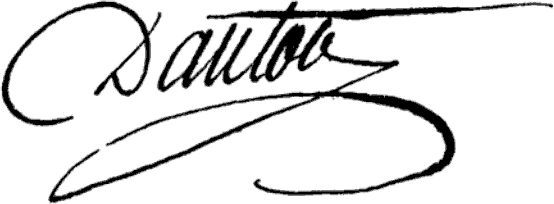


Early life and political rise
Trained as a lawyer and active in Parisian politics, Danton became associated with radical clubs and civic groups that mobilized public opinion in the capital. He served in the city council of Paris and was prominent among the groups that advocated direct action and popular involvement. His capacity to connect with crowds and to organize political campaigns made him a central figure in revolutionary events of 1792 and 1793.
Offices and revolutionary activity
Danton held several important posts: he served as minister of justice in the provisional government, was a member of the National Convention, and occupied the presidency of the newly formed Committee of Public Safety during its early months. He helped to establish emergency institutions and wartime measures designed to defend the Revolution, while also working to consolidate order in the capital.
- Municipal leadership: member of Paris city council
- National roles: member of the National Assembly and Convention
- Executive authority: minister of justice and early president of the Committee of Public Safety
Conflict, moderation and downfall
As the Revolution radicalized, the period known as the Reign of Terror (1793–1794) produced severe measures against perceived enemies. Danton initially supported strong action but later advocated for a degree of moderation, arguing that unending purges would damage the Republic. His stance brought him into conflict with more uncompromising revolutionaries. Accused of corruption and treason by rivals who questioned his intentions, he was arrested, tried by the Revolutionary Tribunal and executed by the guillotine on 5 April 1794.
Legacy and significance
Danton's career illustrates tensions within revolutionary movements between radical mobilization and a turn toward stability. He is remembered as an energetic orator and organizer whose calls for popular engagement helped topple the monarchy and reshape French politics. His fall from power and execution remain emblematic of the Revolution's internal conflicts and its readiness to use legal and violent instruments against former leaders. For further context on his life and the broader period, see entries on political biography and the French Revolution and the structure of the political institutions he served in, including discussions of the National Assembly.
Notable facts: Danton was closely associated with other revolutionary journalists and activists, and his trial is often cited as an example of how revolutionary justice could be mobilized against internal opponents. His execution helped consolidate the authority of rival leaders until the Revolution underwent further upheaval the following year.
Related articles
Author
AlegsaOnline.com Georges Danton: Leading Figure of the French Revolution Leandro Alegsa
URL: https://en.alegsaonline.com/art/119528