
Fumie Suguri: Japanese Figure Skater and International Medalist
Overview of Fumie Suguri, a prominent Japanese figure skater: career highlights, competitive record, skating style and contributions to the sport in Japan and internationally.
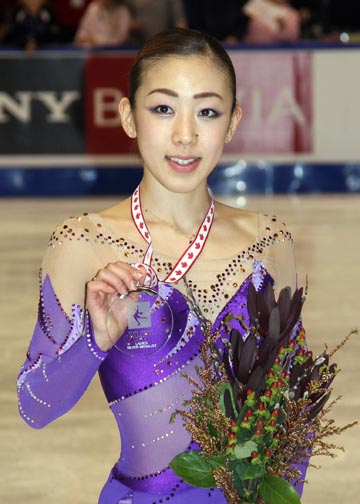
Fumie Suguri (村主 章枝, Suguri Fumie, born December 31, 1980) is a retired Japanese figure skater who was one of Japan's leading women's singles competitors in the late 1990s and 2000s. Her family name is Suguri according to Japanese naming conventions; for background on naming order see Japanese name conventions and name order. She is widely recognised for combining expressive presentation with solid basics and for a lengthy presence on the international circuit.
Image gallery
4 Images


Early life and rise
Suguri began skating as a child and progressed through Japan's junior system to the senior international level. She emerged at a time when Japanese women's skating was becoming more prominent globally and consistently qualified for major international events. Her surname is written as Suguri in Japanese order; in many international results her given name is presented first.
Competitive career
Suguri competed regularly on the ISU Grand Prix series, at World Championships and at national championships, representing Japan as an athlete in many seasons. Over the course of her career she was a frequent presence at top-level competitions and contributed to the rising profile of Japanese ladies' skating. She took part in major multi-sport events and world-level championships and maintained a reputation for reliable performances.
Major achievements
Her record includes multiple national titles, several medals at the World Championships and victory at the Grand Prix Final in the 2003–2004 season. Typical summaries of her accomplishments note:
- Five-time Japanese national champion.
- Three-time medalist at the World Championships.
- Winner of the 2003–2004 Grand Prix Final.
Suguri was a regular competitor on the international competition calendar and frequently ranked among the top skaters of her era.
Style and technical profile
Suguri was praised for her musical interpretation, edge quality and expressive presentation. While competing during a period of increasing technical difficulty, she balanced artistry with the required technical elements — jumps, spins and step sequences — and was noted for clean skating skills and performance consistency. Her programs often emphasized choreography and connection to music.
Legacy and later activities
Beyond competitive results, Suguri helped to popularise figure skating in Japan and served as an inspiration to younger skaters. After reducing her involvement in top-level competition she remained active in the skating community through exhibitions, professional shows and public appearances, helping to promote the sport to broader audiences. She has also been involved in activities typical of former elite skaters such as mentoring, commentary and performance work, contributing to the development of the next generation.
Further reading
Accounts of Suguri's career are available in sports archives and skating histories that document Japanese figure skating's growth. For more on naming order and Japanese usage see the links above. Her competitive record and program content are commonly cited in discussions of early 21st-century women's figure skating.
Related articles
Author
AlegsaOnline.com Fumie Suguri: Japanese Figure Skater and International Medalist Leandro Alegsa
URL: https://en.alegsaonline.com/art/119303
Sources
- sports-reference.com : "Fumie Suguri"