
Paul of Greece
Paul (Pávlos) was King of Greece from 1947 to 1964. His reign covered the postwar reconstruction, the end of the Greek Civil War, NATO accession and a period of political instability preceding his son’s succession.
Paul of Greece (anointed Paul; Greek: Παύλος) reigned as King of the Hellenes from 1947 until his death in 1964. He ascended the throne after the death of his elder brother and presided during a turbulent era of reconstruction following World War II and the Greek Civil War.
Image gallery
10 Images



Early life and family background
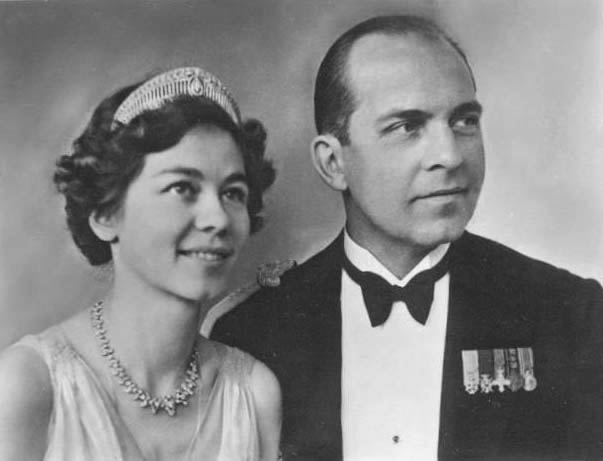
Born in 1901 into the Danish-Greek royal house, Paul was a younger son of a previous monarch. His formative years were shaped by the political upheavals that affected the Greek dynasty in the first half of the 20th century. He married Princess Frederica of Hanover in 1938 and became the father of three children who later played roles in European public life.
Reign and political role
Paul's reign was constitutional: he performed ceremonial duties while playing a moderating role in political crises. During his time on the throne, Greece completed its transition from wartime devastation to peacetime recovery, benefited from Western economic aid, and joined Western defence arrangements, including NATO. His kingship overlapped with recurring tensions between rival parties, social unrest and periodic military interventions in politics.
Family, succession and notable relations
- Wife: Princess Frederica of Hanover.
- Children included: Sophia (later Queen of Spain), Constantine (who succeeded him), and Irene.
As head of state Paul maintained a broadly pro-Western orientation and sought to preserve the monarchy through careful accommodations with elected governments.
Death and legacy
Paul died in 1964 of stomach cancer. He was succeeded by his son, Constantine II. Historians view his reign as a period that helped stabilise postwar Greece but which also left unresolved political tensions that later influenced the country’s turbulent 1960s and 1970s.
Author
AlegsaOnline.com Paul of Greece Leandro Alegsa
URL: https://en.alegsaonline.com/art/128326