
Francesco Cavalli: Venetian Baroque Opera Composer
Italian Baroque composer Francesco Cavalli (1602–1676) shaped early public opera in Venice, known for expressive vocal writing, stage works such as Giasone and La Calisto, and a long association with San Marco.
Francesco Cavalli was an influential Italian composer of the early Baroque era, born Pietro Francesco Caletti-Bruni in Crema on 14 February 1602 and dying on 14 January 1676. He adopted the name Cavalli from a Venetian patron and is widely remembered for his stage works and his role in establishing public opera as a commercial and theatrical form. He is commonly described simply as an Italian composer of the Baroque period.
Image gallery
1 Image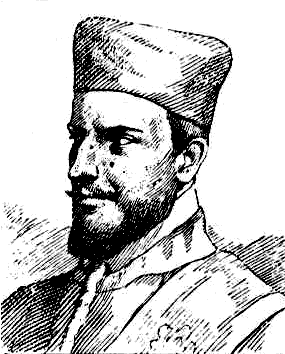
Career and context
Cavalli trained and worked in Venice, where he was associated with the musical establishment of San Marco and came under the influence of Claudio Monteverdi. He served as a singer, organist and later in administrative musical roles, a background that informed his practical approach to scoring for voices and instruments in theatre. His operas were composed for the new public theatres that emerged in Venice in the mid-17th century and reached audiences beyond courtly circles.
Musical style and innovations
Cavalli’s music balances recitative-driven drama with memorable arias and ensembles. He wrote for comparatively small, flexible forces—strings, continuo and occasional winds—allowing subtle orchestral color and close interplay with singers. His dramatic pacing, attention to character, and theatrical effects helped codify conventions of Venetian opera: clear declamation, emotional immediacy, and music tailored to specific singers.
Operas and works
Although many of his stage works have been lost, Cavalli produced dozens of operas that were widely staged across Italy and beyond. Notable surviving works include Giasone and La Calisto, which demonstrate both popular appeal and expressive invention. His operatic output was central to the repertoire of Venetian houses and contributed to the public entertainment culture of the time. See also general notes on his dramatic music and staging practices in modern studies of Baroque opera.
Legacy and revival
Interest in Cavalli’s music revived in the 20th century with musicological editions, historically informed performances, and recordings that reintroduced his operas to modern audiences. Ensembles and directors today emphasize his theatrical sense and the adaptability of his scores to both period and contemporary productions. Cavalli’s work is often cited for bridging early-17th-century innovations and the later flourishing of Italian opera.
- Birth name and patronage: Pietro Francesco Caletti-Bruni; the surname Cavalli came from a Venetian noble patron (patron).
- Connection to San Marco and Monteverdi shaped his craft and opportunities.
- His operas were integral to the growth of public theatre in Venice, including performances at newly founded playhouses.
Cavalli remains a key figure for understanding how opera moved from courtly spectacle to public theatre, and how expressive vocal writing and practical scoring could serve dramatic storytelling during the Baroque age. For further biographical and musical context consult specialist studies and editions of his scores (biographical timelines, composer surveys).
Related articles
Author
AlegsaOnline.com Francesco Cavalli: Venetian Baroque Opera Composer Leandro Alegsa
URL: https://en.alegsaonline.com/art/119027