
Francesco Cossiga: Italian statesman and political figure
Overview of Francesco Cossiga (1928–2010), Italian politician who served as Prime Minister and President, his career, controversies, and legacy.
Overview
Francesco Cossiga (26 July 1928 – 17 August 2010) was an Italian politician best known for serving as Prime Minister and later as President of the Italian Republic. A leading member of the Christian Democracy party, he occupied several senior offices through decades marked by domestic terrorism, Cold War tensions and major political change in Italy. His public career combined administrative roles, crisis management and outspoken commentary that continued after he left formal office.
Image gallery
9 Images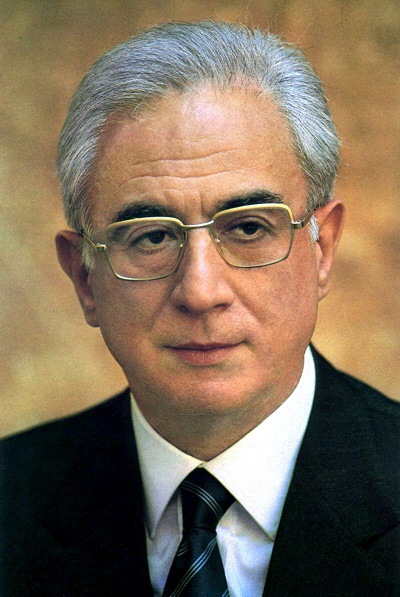


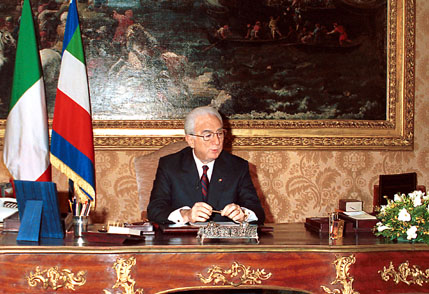


Early life and political rise
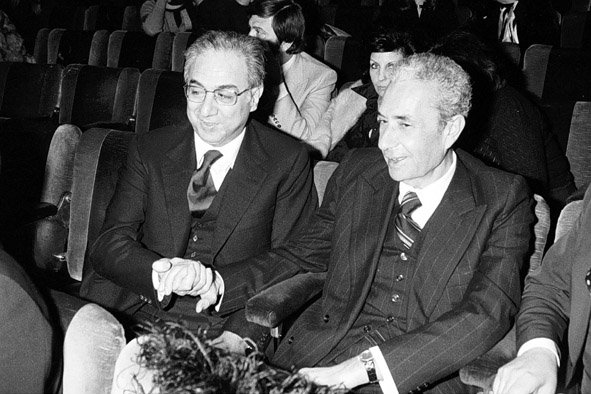
Cossiga was born in Sassari on the island of Sardinia. He studied law and entered public service in the post‑war period, rising within the ranks of the Christian Democracy (Democrazia Cristiana) party. Over the 1960s and 1970s he held a sequence of parliamentary and ministerial positions, building a reputation as a pragmatic administrator and an attentive manager of internal security.
Major offices and responsibilities
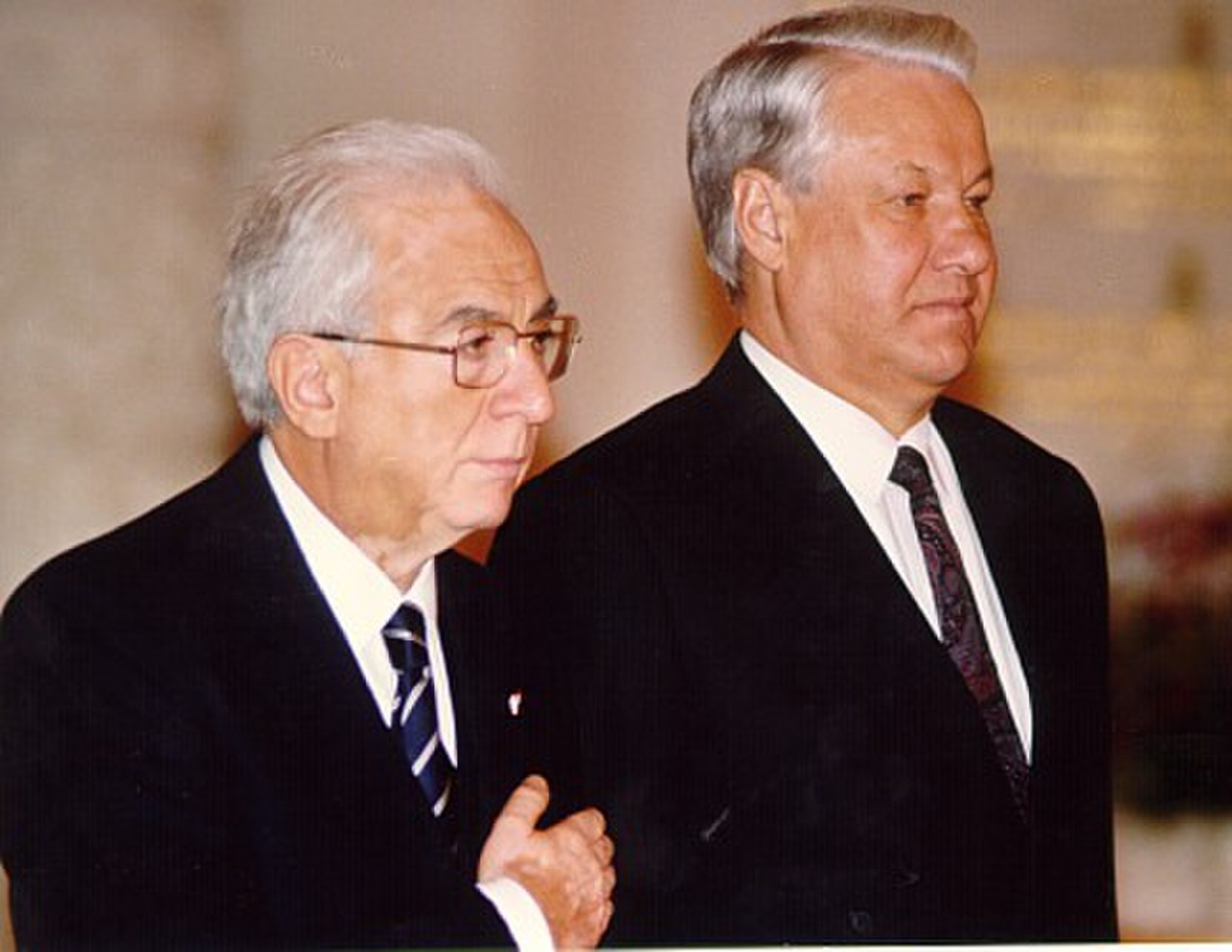
He served as Minister of the Interior during a turbulent phase in the 1970s, a post that placed him at the centre of Italy's response to political violence. Cossiga was appointed Prime Minister in 1979, a government that lasted into 1980 (Prime Minister, 1979–1980). Later he was elected President of the Republic and served from 1985 until April 1992, a period when Italy confronted both international shifts at the end of the Cold War and mounting domestic political crises.
Controversies and later years
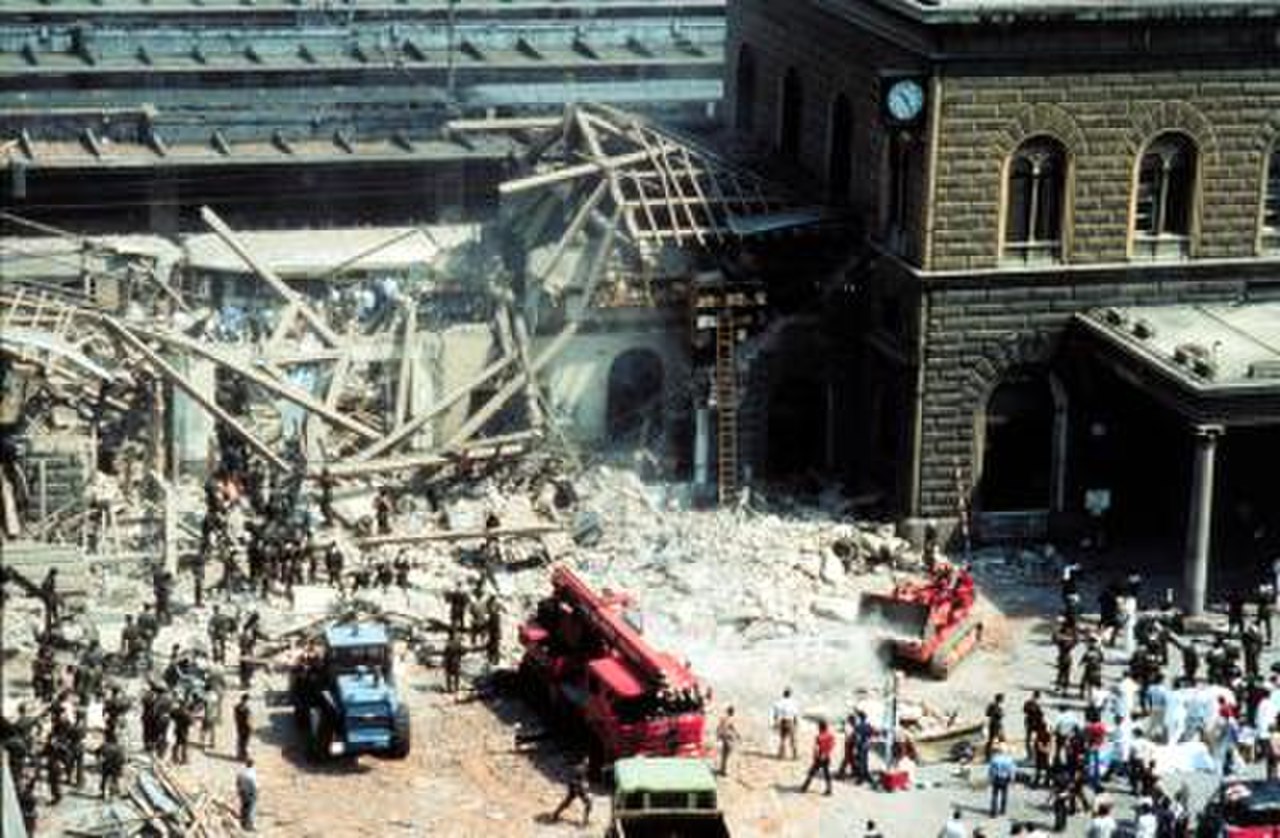
His career attracted controversy. As Interior Minister he was involved in high‑profile security decisions during the so‑called Years of Lead. During and after his presidency he made several public interventions about intelligence services and institutional practices that provoked debate; some observers praised his frankness, while others criticized it as destabilizing. He left the presidency in April 1992 and remained an active, often provocative, voice in public life until his death in Rome on 17 August 2010 from a respiratory infection.
Legacy and significance
Cossiga's legacy is mixed: he is credited with determined management of security challenges and for shaping the presidency's role in late 20th‑century Italy, yet his public interventions raised questions about institutional boundaries. Historians and commentators often portray him as a complex figure whose career illustrates both the strains on Italian democracy during turbulent decades and the personal imprint an energetic political leader can leave on public institutions.
Quick facts
- Born: 26 July 1928, Sassari, Sardinia.
- Prime Minister: 1979–1980 (see office).
- President of Italy: 1985–April 1992.
- Died: 17 August 2010 in Rome.
Related articles
Author
AlegsaOnline.com Francesco Cossiga: Italian statesman and political figure Leandro Alegsa
URL: https://en.alegsaonline.com/art/119028