
Francesco Saverio Merlino
Italian lawyer, anarchist activist and theorist (1856–1930) who moved from militant anarchism toward a pragmatic libertarian socialism, critiquing authoritarian socialism and advocating legal and social reforms.
Francesco Saverio Merlino (born 9 September 1856 in Naples; died 30 June 1930 in Rome) was an Italian lawyer, political activist and writer. He is remembered for his early involvement in anarchist circles and for the later evolution of his thought toward a form of libertarian socialism that emphasized civil liberties, decentralization and legal reform.
Image gallery
1 Image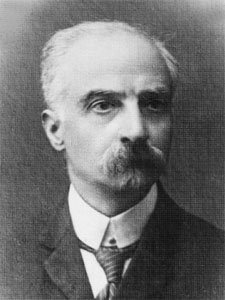
Overview and career
Trained in the law, Merlino combined professional practice with political engagement. He participated in debates that shaped the Italian and wider European labor movements of his era. While rooted in anti-authoritarian traditions, his public interventions increasingly sought to reconcile individual freedom with social justice through institutional and legal means rather than purely insurrectionary methods.
Ideas and intellectual development
Merlino’s political trajectory moved from militant anarchism toward a critique of both state socialism and violent tactics. He argued that liberty and social equality must be pursued without reproducing centralized authority. His writings and speeches stressed the rule of law, workers’ autonomy, cooperative organization and gradual social transformation as practical tools to improve working-class conditions.
Contributions and influence
- Articulated a libertarian-socialist alternative to authoritarian Marxism and to indiscriminate revolutionary violence.
- Engaged in public debates about labor rights, decentralization and the limits of state power.
- Served as a bridge between radical activists and reform-minded legalists who sought constructive political change.
Although not all of his proposals were widely adopted, Merlino’s insistence on combining legal safeguards with social reform influenced later currents of non‑authoritarian socialism and democratic libertarian thought.
For further biographical and bibliographical details see specialized studies and archives on Italian political movements of the late 19th and early 20th centuries and contemporary overviews of anarchist and libertarian socialist currents (further reading).
Related articles
Author
AlegsaOnline.com Francesco Saverio Merlino Leandro Alegsa
URL: https://en.alegsaonline.com/art/119033